


Bosnia and Herzegovina is a country rich in cultural heritage, stunning rivers, and towns that
have grown along their banks for centuries. Among its most recognizable landmarks, historic
bridges hold a special place. More than structures connecting two sides of a river, they are
living witnesses to different eras, architectural styles, and traditions that have shaped the
country’s identity.
From elegant stone arches rising above emerald-green waters to iconic landmarks that define
entire cities, each bridge tells a unique story. If you are planning a journey through Bosnia and
Herzegovina, these are the bridges that deserve a place on your travel itinerary.
Stari Most in Mostar – The Icon of Herzegovina
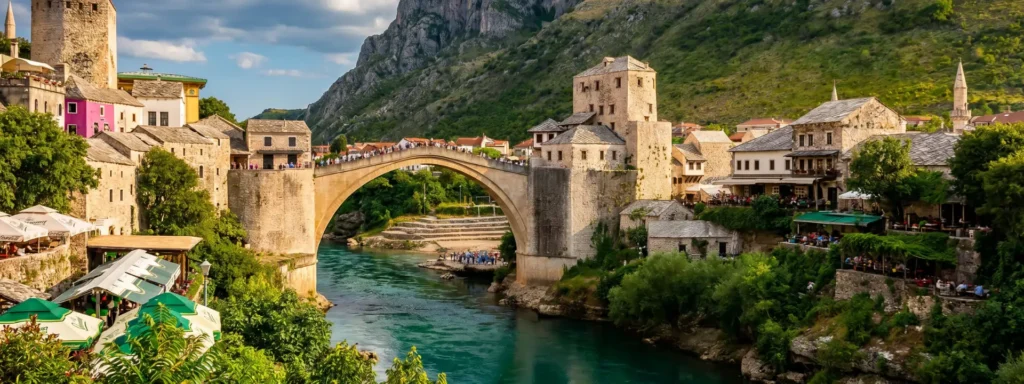
When discussing bridges in Bosnia and Herzegovina, Old Bridge in Mostar is often the first landmark that comes to mind. Spanning the Neretva River, this impressive stone bridge has dominated the city skyline for centuries and remains one of the country’s most famous tourist attractions.
Built in the 16th century, the bridge has become a symbol of Mostar and a must-see destination
for visitors from around the world. The area surrounding the bridge is filled with narrow
cobbled streets, traditional craft shops, restaurants, and art galleries that create a unique
atmosphere. Visitors are especially fascinated by the famous bridge divers, whose breathtaking
jumps into the river below continue to attract crowds every year.
Tip: Visit the Old Bridge early in the morning or late in the evening to avoid crowds and experience its beauty in the most peaceful and authentic atmosphere.
Mehmed Paša Sokolović Bridge in Višegrad
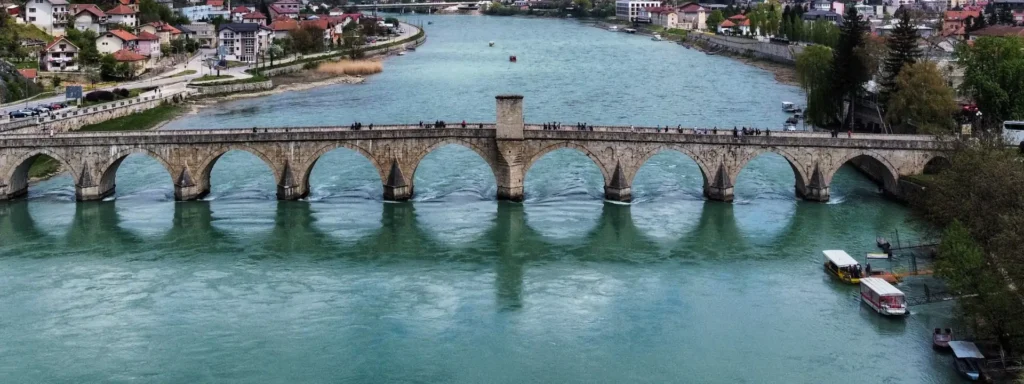
On the banks of the Drina River stands one of the most remarkable architectural achievements
in the Balkans. Mehmed Pasha Sokolović Bridge in Višegrad is considered a masterpiece of
classical bridge construction and one of the most valuable cultural monuments in Bosnia and
Herzegovina.
Its eleven graceful stone arches stretch across the river, creating a stunning scene that leaves a
lasting impression on every visitor. Thanks to its exceptional historical and cultural significance,
the bridge has been included on the UNESCO World Heritage List. Walking across it offers a
chance to experience centuries of history while enjoying magnificent views of the Drina.
Tip: Take a walk across this masterpiece of Ottoman architecture in Višegrad at sunset to experience a unique atmosphere described by Nobel laureate Ivo Andrić.
Arslanagić Bridge in Trebinje
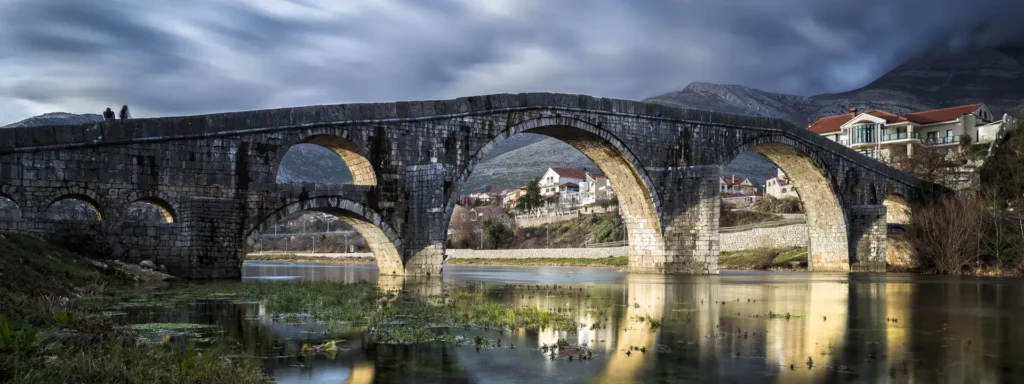
Trebinje is known for its Mediterranean atmosphere, its old town core, and numerous landmarks, among which a special place is occupied by Arslanagić Bridge. This elegant stone structure is one of the most beautiful historic bridges in Herzegovina.
Located near the city center, the bridge blends perfectly with the scenic surroundings of the
Trebišnjica River. Its elegant arches and carefully crafted stonework make it a favorite location
for photography and leisurely walks. Visiting this bridge provides an excellent opportunity to
discover one of Trebinje’s most treasured landmarks and learn more about the region’s rich
heritage.
Tip: Visit Arslanagića Bridge in spring, when the water level of the Trebišnjica River is stable and the surrounding vegetation is at its greenest, giving the bridge a particularly vibrant and authentic atmosphere.
The Stone Bridge in Konjic
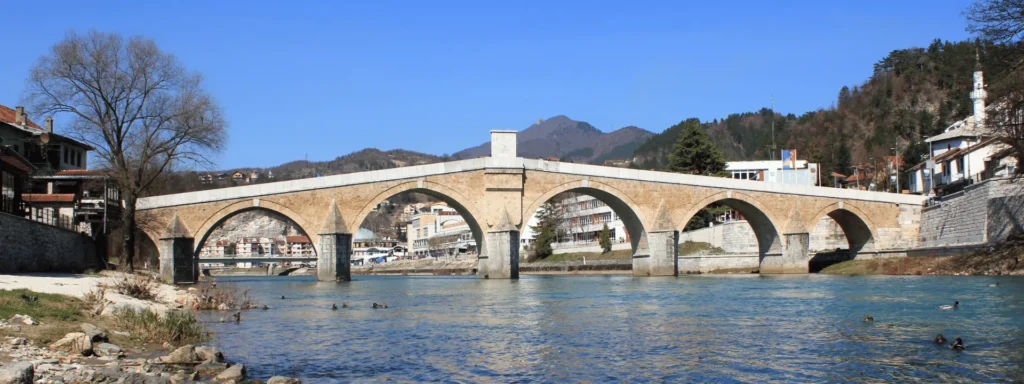
In the heart of Konjic, above the Neretva River, stands the restored The Stone Bridge one of the city’s most recognizable symbols. With its distinctive appearance and six stone arches, it is
widely regarded as one of the most attractive bridges in Bosnia and Herzegovina.
Located in the center of town, the bridge is easily included in any travel itinerary through
Herzegovina. It is particularly impressive on sunny days when its reflection can be seen
shimmering on the river’s surface. From the bridge, visitors can enjoy panoramic views of
Konjic’s historic center, the surrounding mountains, and the emerald waters of the Neretva.
Tip: Make sure to include a short stop at the old town bazaar in Konjic, as the bridge and the bazaar together offer a complete picture of the city’s Ottoman urban heritage.
Latin Bridge in Sarajevo
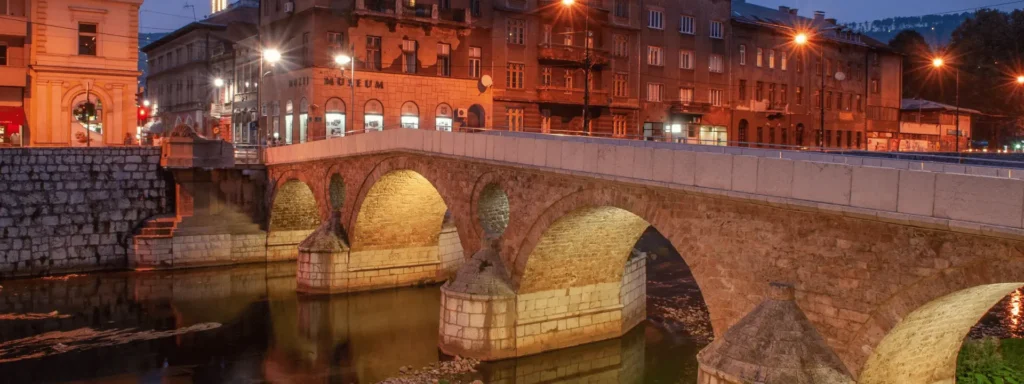
Sarajevo is a city where different cultures and eras meet, and one of its most famous bridges is Latin Bridgea. Smještena u centru grada, preko rijeke Miljacke, ova kamena građevina predstavlja važan dio sarajevske urbane cjeline.
Its elegant simplicity and central location make it a popular stop for anyone exploring the
capital of Bosnia and Herzegovina. A visit to the bridge can easily be combined with a walk
through Baščaršija, the City Hall, and many other famous attractions in Sarajevo’s old town.
Tip: Combine your visit to the Latin Bridge with a tour of the nearby Sarajevo 1878–1918 Museum, where you can explore in detail, through an authentic exhibition on the assassination of Archduke Franz Ferdinand, the fateful events that changed the course of world history.
Kozija Ćuprija – A Hidden Gem near Sarajevo
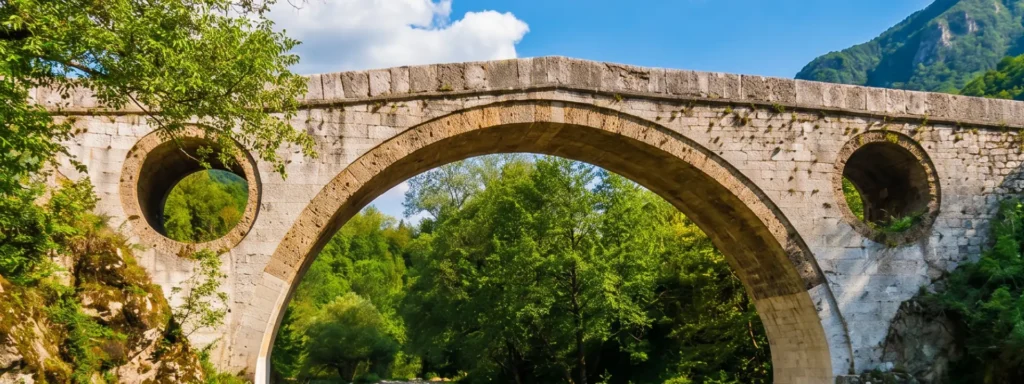
A few kilometers east of Sarajevo’s center lies Kozija ćuprija, one of the city’s most charming
historic bridges. Situated in the scenic canyon of the Miljacka River and surrounded by nature, it
offers a completely different experience from the busy city streets.
Many visitors consider it the perfect destination for a short excursion, photography session, or
peaceful walk. The combination of historic architecture and natural beauty has made Kozija
Ćuprija one of the most photographed locations around Sarajevo.
Tip: Kozja Ćuprija is a perfect place for a relaxed walk from Sarajevo’s city center through the Miljacka River canyon, away from the city crowds. Combine your visit with a stroll along the Dariva promenade, and after exploring, continue towards Baščaršija and the City Hall to experience a blend of nature, history, and Sarajevo’s authentic atmosphere.
The Roman Bridge near Ilidža
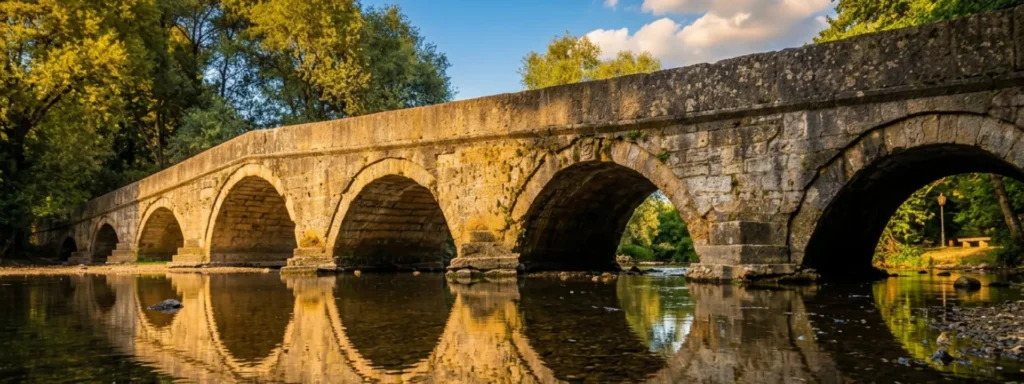
Among the oldest bridges in the Sarajevo area, one of the most notable is The Roman Bridge near Ilidža. While its name suggests an ancient origin, what
truly makes it special today is its authentic character and tranquil atmosphere.
Surrounded by greenery and located close to some of Ilidža’s most popular attractions, the
bridge is often included in sightseeing tours of the area. Its stone construction and peaceful
surroundings create a perfect blend of history and nature.
Tip: Visit the Roman Bridge as a peaceful break in nature, as it is best experienced in combination with a walk along the Bosna River and an excursion to Vrelo Bosne, where history and greenery create a complete experience away from the city noise.
Ovčiji Brod near Nevesinje
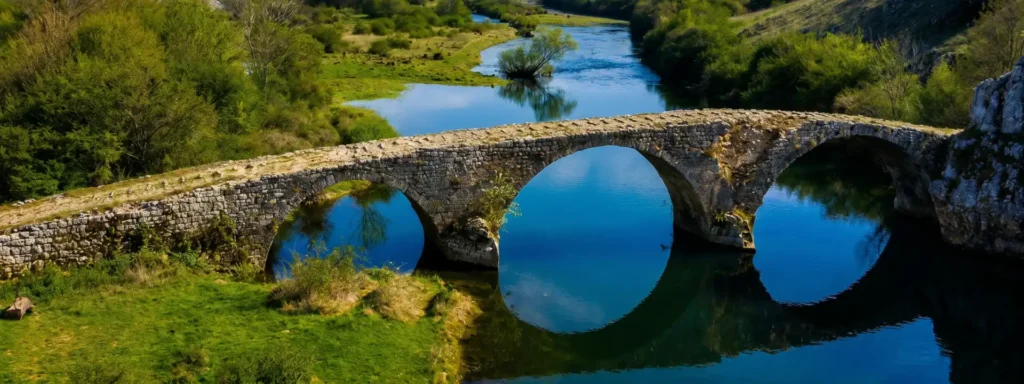
Near Nevesinje, visitors can discover Ovčiji brod, a stone bridge that blends harmoniously into
the rugged Herzegovinian landscape. Crossing the Zalomka River, this bridge attracts attention
with its understated beauty and well-preserved architecture.
Today, it remains one of the most interesting sites to explore in eastern Herzegovina. The
peaceful surroundings, clear river waters, and authentic atmosphere make it an ideal
destination for travelers seeking tranquility and natural beauty.
Tip: Take time to explore the surroundings of the bridge as well, because the old Roman road, the Zalomka River, and the untouched Herzegovinian landscapes give this place much more significance than its historical value alone.
The Duman Bridge in Livno
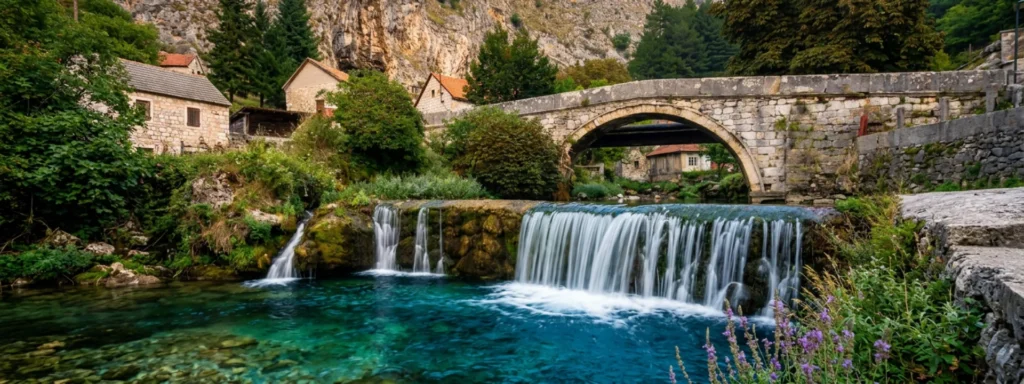
Livno hides numerous historical landmarks, and among them, one stands out in particular The Duman BridgeLocated near the source of the Bistrica River, this bridge has been an
integral part of the local landscape for centuries.
Its location offers visitors the opportunity to enjoy a pleasant walk while exploring the natural
beauty of this region. Thanks to its preserved appearance and fascinating history, the bridge
has become a must-see stop for anyone visiting Livno.
Tip: It is best to combine a visit to the Dumano Bridge with a tour of the Bistrica River spring, located just a few minutes’ walk from the bridge. The peaceful surroundings, clear water, and blend of natural beauty with historic architecture make this spot ideal for a short walk, photography, and a break from the city bustle while exploring Livno.
Why Visit the Historic Bridges of Bosnia and Herzegovina?
The historic bridges of Bosnia and Herzegovina are much more than architectural monuments.
They tell stories of towns, merchants, travelers, and generations of people who once crossed
their stone pathways. Each bridge has its own character, unique views, and atmosphere that
leave a lasting impression on visitors.
Whether you are traveling through Herzegovina, exploring Sarajevo, or discovering lesser-
known corners of the country, visiting these bridges offers a deeper understanding of the authentic spirit of Bosnia and Herzegovina. For that reason, they remain among the country’s
most treasured attractions and are well worth experiencing at least once in a lifetime.
