

Via Ferrata in Bosnia and Herzegovina
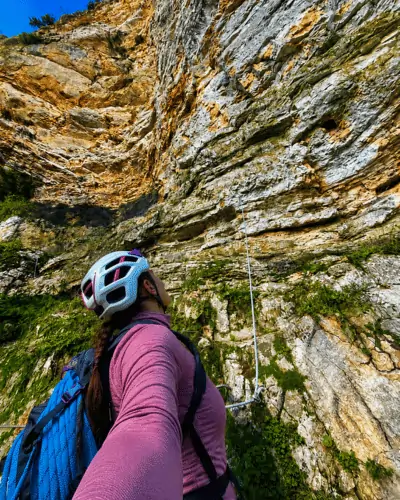
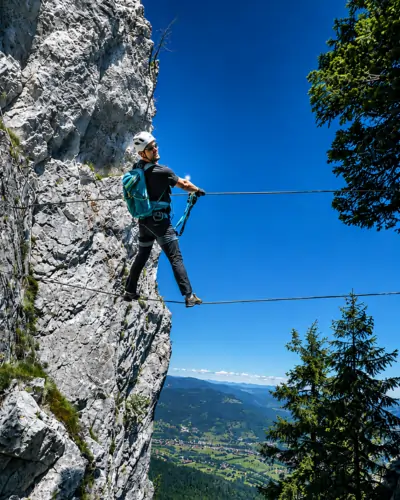
Via ferratas are protected mountain routes equipped with steel cables, metal footholds, and bridges that allow climbers to safely navigate steep rock faces and otherwise inaccessible mountain sections. Today, Bosnia and Herzegovina offers more than 30 active via ferratas of varying difficulty levels.
Why Via Ferrata in Bosnia and Herzegovina?
Bosnia and Herzegovina is home to more than 30 via ferrata routes spread across mountains, canyons, and cliffs, offering unforgettable experiences for all skill levels.
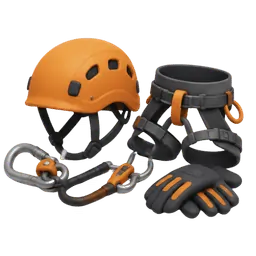
Is It Safe and What Equipment Is Needed?
Via ferrata is a safe sport with the right equipment — a ferrata set, helmet, harness, and gloves that meet international standards.

Is Via Ferrata Suitable for Beginners?
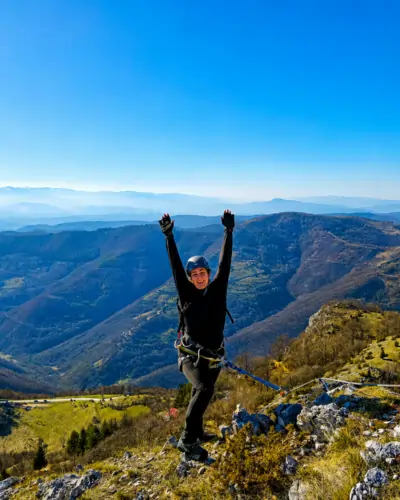
Beginners can enjoy via ferratas as well, provided they are reasonably fit and choose routes appropriate to their experience level. Always start with the easiest ferratas and never go alone.
Are Guides Available and Where Can You Find Them?
Licensed guides are available through mountaineering clubs and local tourism organizations that manage via ferrata routes. They know every section of the route and will ensure you have a safe and enjoyable experience.
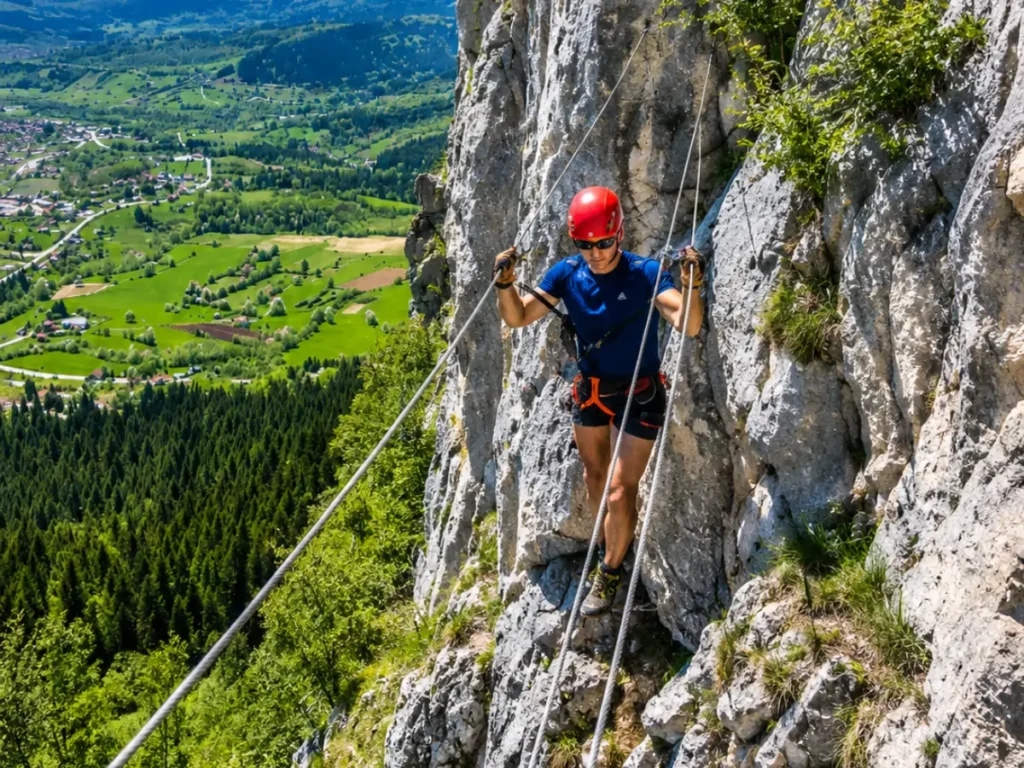
Sokolov put – Romanija
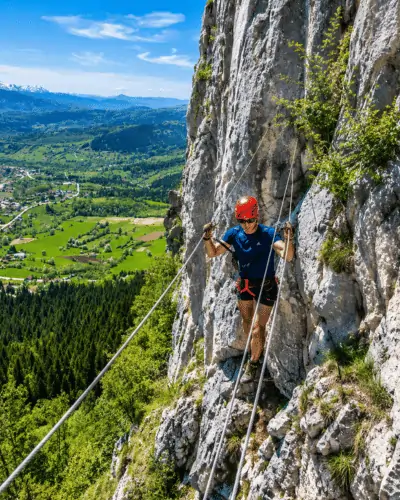
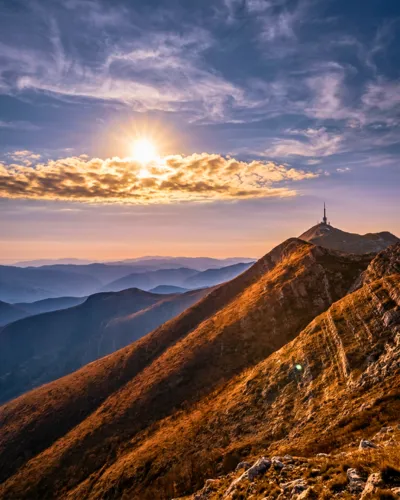
Via Ferrata Sokolov put is one of the best-known via ferratas in Bosnia and Herzegovina, located on Romanija just about thirty minutes' drive from Sarajevo. It is well secured and offers impressive views of the surrounding hills, forests, and mountain landscapes.
The name comes from the falcons nesting on the Red Rocks of Romanija Mountain.
Via Ferrata Peć Mlini
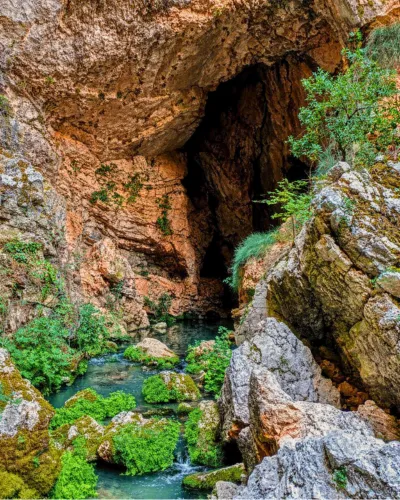
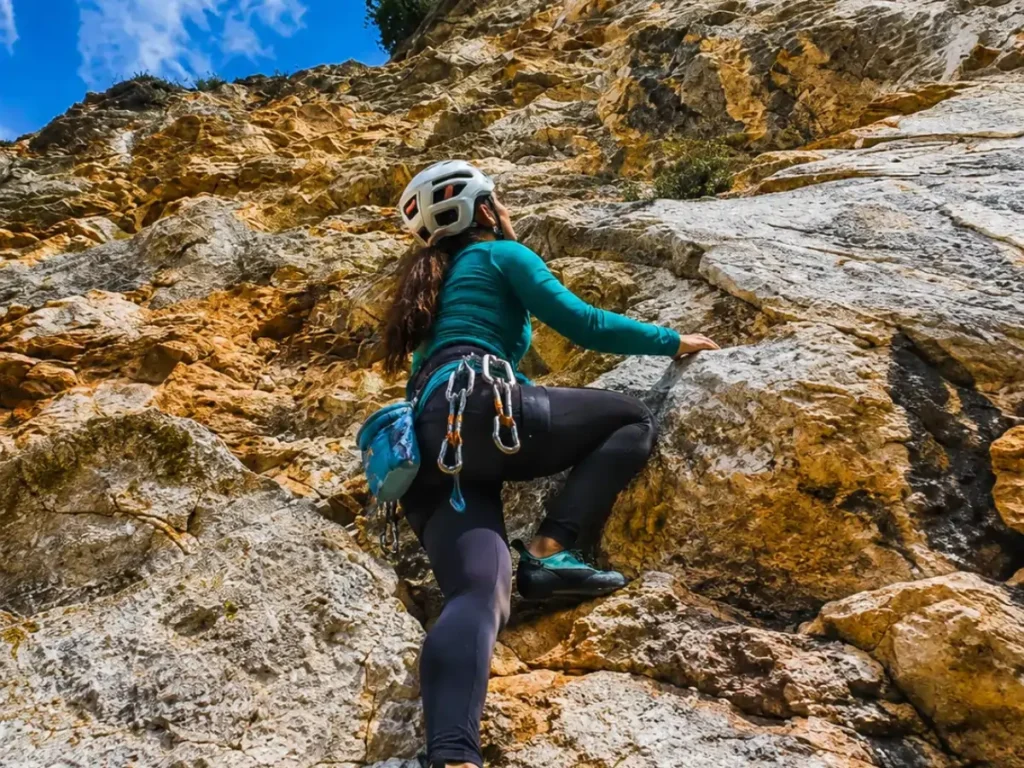
Via Ferrata Peć Mlini is one of the most demanding and attractive via ferratas in Bosnia and Herzegovina, located on an impressive rock above the source of the Tihaljina river in Avanturistički park Peć Mlini.
As many as 50% of climbers give up before completing the route, which says enough about its difficulty and attracts experienced adventurers looking for a real challenge.

Bijela Stijena – Trebević
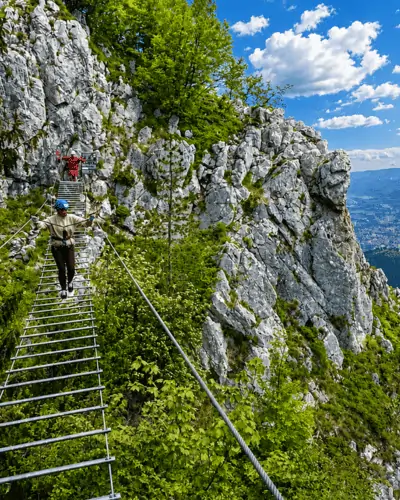
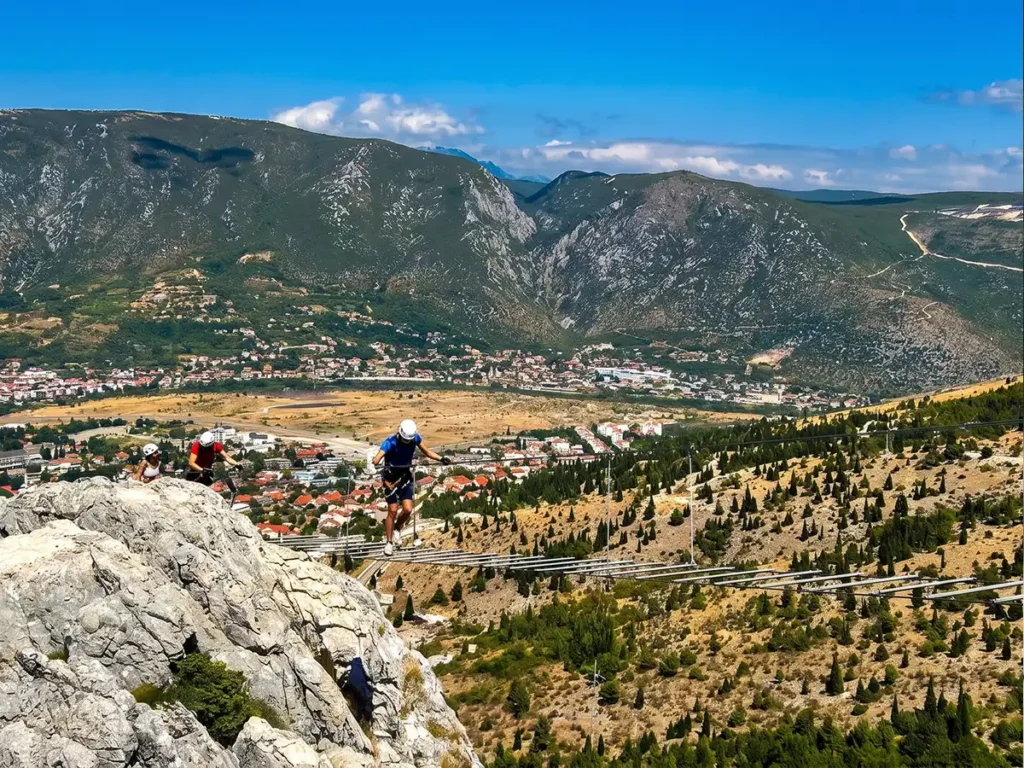
Interesting because of its proximity to Sarajevo — during the summer months, climbers can enjoy the shade of dense forests and beautiful views of the city and the surrounding mountains. The final section is highlighted by a 30-meter suspension bridge with a panoramic view of Sarajevo.
During the 1984 Winter Olympic Games, bobsleigh and luge competitions were held on the slopes of Trebević.
Vulin Potok – Blagaj
Via Ferrata Vulin Potok is located in a scenic canyon above Blagaj and leads all the way to the medieval fortress of Stjepan Grad, one of the best-known historical landmarks in Herzegovina.
Although it is often described as an easy ferrata, some sections require more attention and experience because of the steeper and more exposed passages.

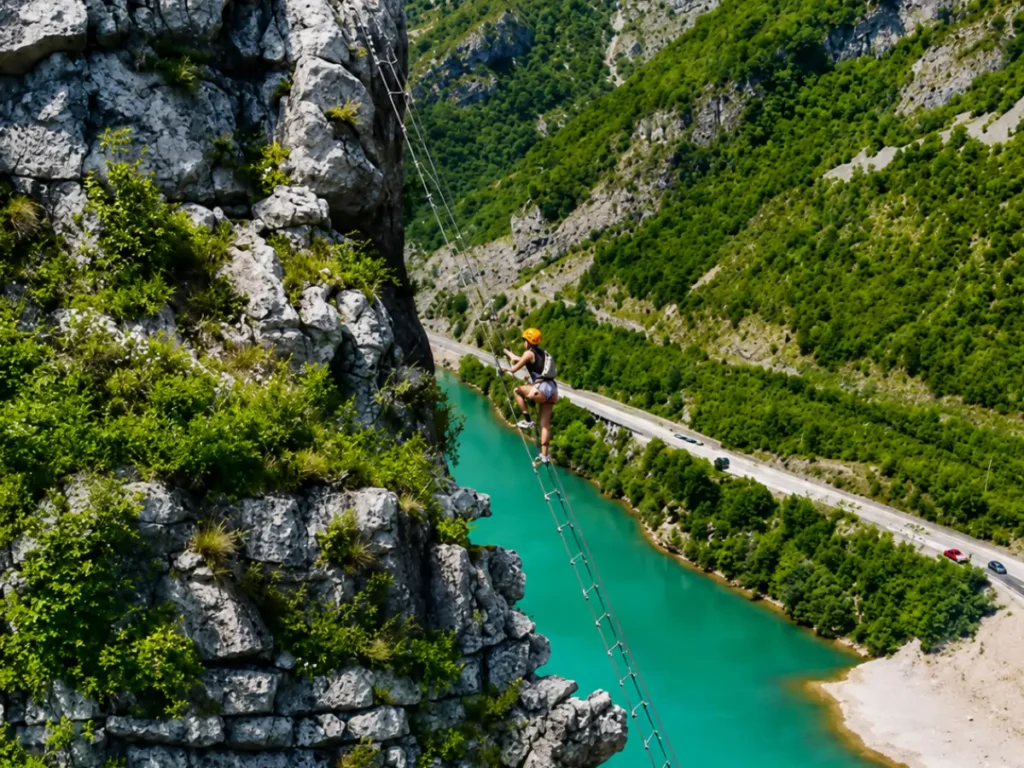
Prenjska Vrata – Jablanica
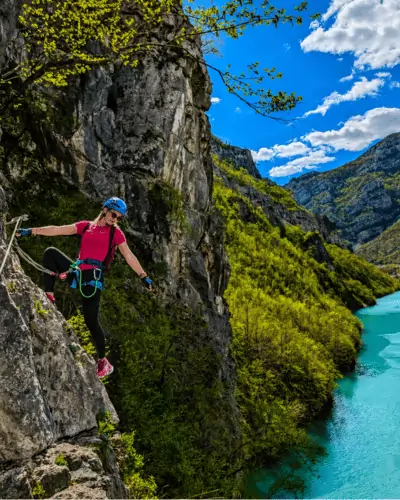
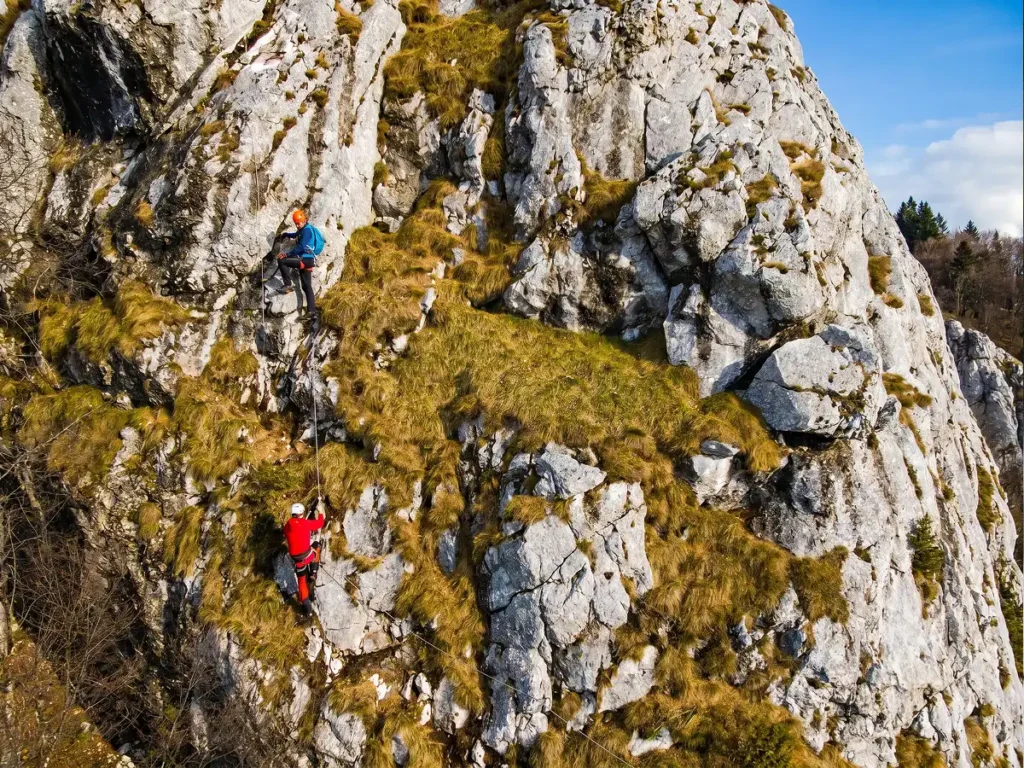
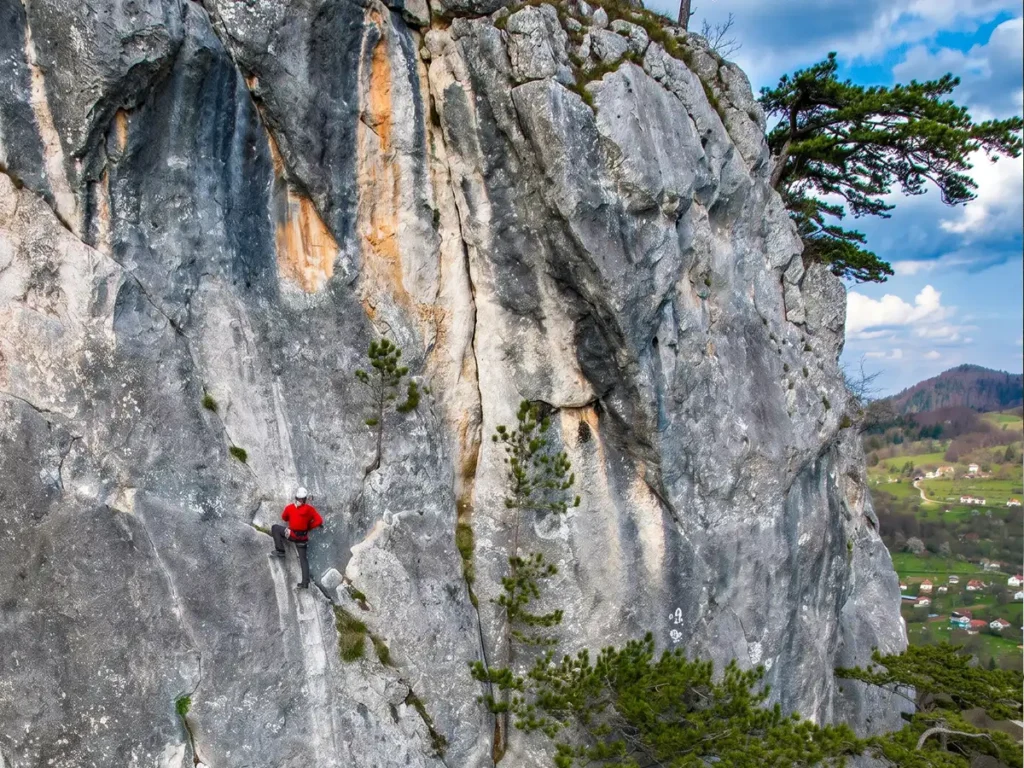
Via Ferrata Prenjska Vrata is a unique adrenaline attraction in Bosnia and Herzegovina. Located above Grabovičko jezero near Jablanica, it combines kayaking, climbing secured rock sections, and hiking through the untouched nature of Prenj and the Neretva canyon.
A special attraction is the fact that the ferrata can be reached only by water, which makes this adventure completely different from all other ferratas in the country.