


The Most Important Information for Tourists in Bosnia and Herzegovina
Travel smarter and avoid unexpected situations: explore our guide to visa requirements, driving rules, currency exchange, and safety protocols that will make your stay in Bosnia and Herzegovina smooth and enjoyable.
Visa Information
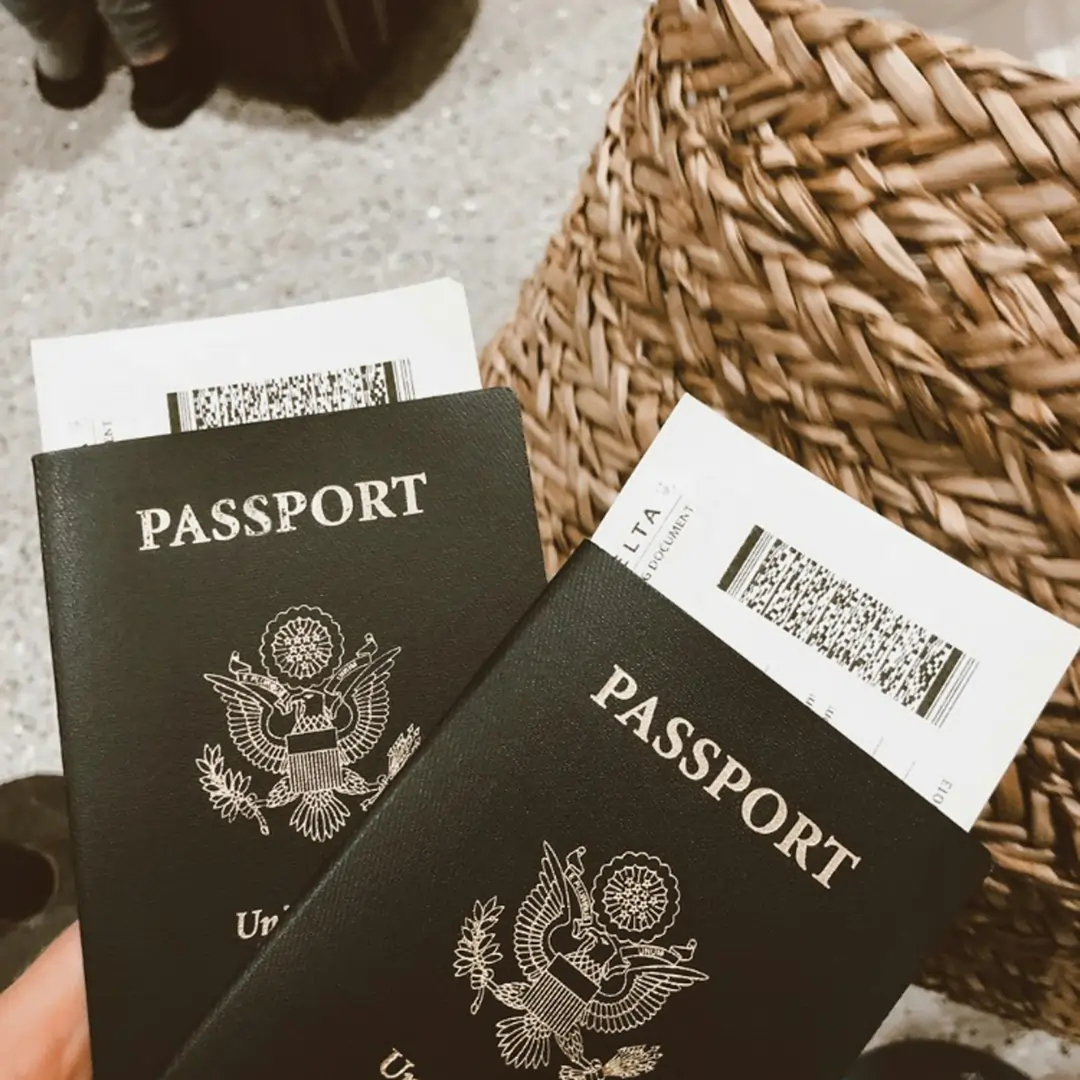
Citizens of the EU, USA, Canada, and the United Kingdom can enter Bosnia and Herzegovina without a visa and stay for up to 90 dayswhile most other travelers require a valid passport to cross the border.
Visitors from countries not covered by this arrangement must obtain a visa in advance from diplomatic missions, along with a mandatory invitation letter.
It is important to know that every foreign national must register their stay within 24 hours of entering the country. If you are staying in a hotel or apartment, the accommodation owner handles this obligation on your behalf, while those in private arrangements must register themselves at the police station or local field office.
Travel by Plane
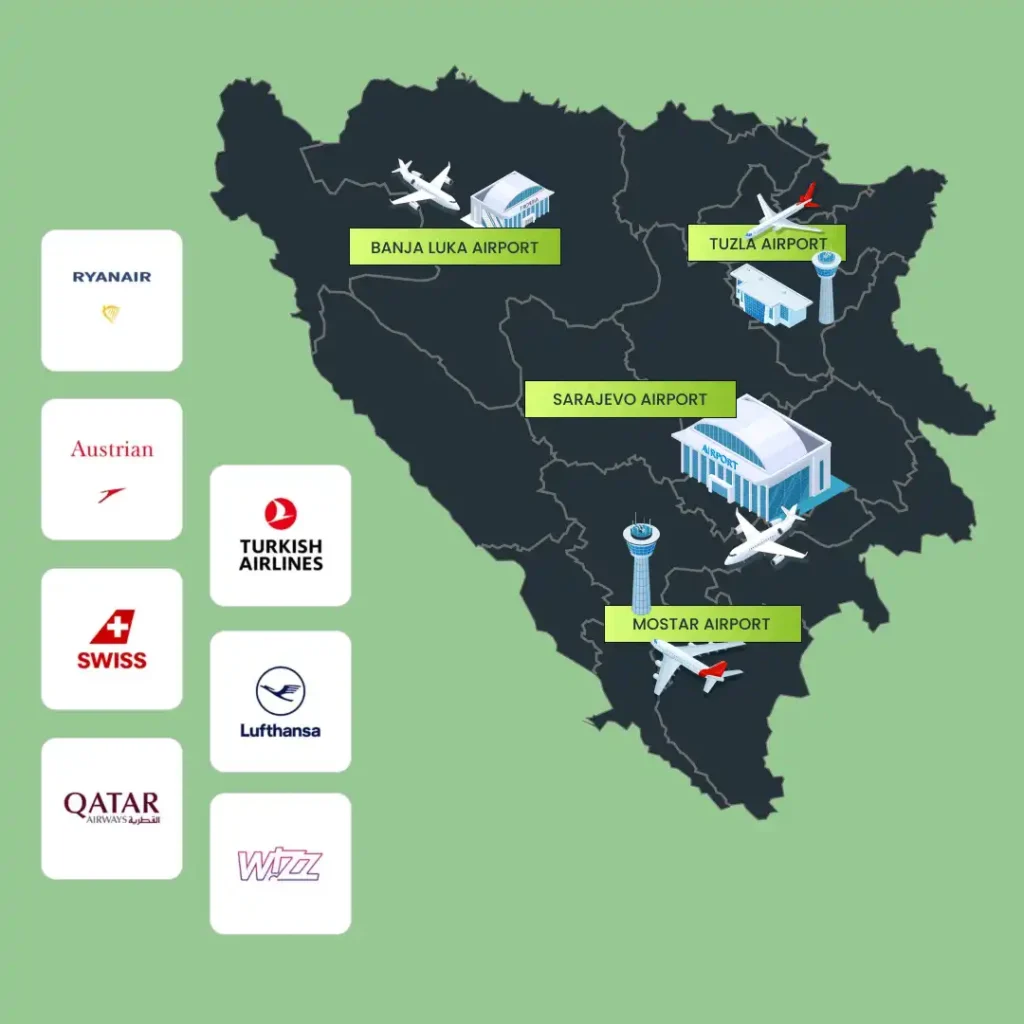
Bosnia and Herzegovina has four international airports: Sarajevo (the largest and busiest), Tuzla (popular due to low-cost airlines such as Ryanair), Mostar and Banja Luka.
When booking a flight, check the baggage rules in advance — low-cost carriers charge separately for each piece of luggage and the rules vary from airline to airline. During the summer season (June–August), it is recommended to book as early as possible, as capacity fills up quickly.
Upon arrival, use only registered taxi drivers — unregistered drivers outside airport exits are a common trap for tourists and their prices can be several times higher than the standard rate.
Banja Luka Airport – https://bnx.aero/
Sarajevo International Airport – https://sarajevo-airport.ba/
Tuzla Airport – https://tuzla-airport.ba/
Mostar Airport – https://mostar-airport.ba/bs/
Bus transport
Traveling by bus is one of the most affordable and widespread ways to get around Bosnia and Herzegovina. Every major city has a bus station with basic facilities such as toilets, luggage storage, and fast food outlets, while smaller towns are served by roadside stops or marked bus stations.
Intercity buses reliably connect all major cities, and international routes link Bosnia and Herzegovina with neighboring countries as well as destinations across Europe — including Germany, Austria, Slovenia, Italy, Switzerland, France, Belgium, the Netherlands, Sweden, and Denmark.
Tickets can be purchased at the terminal, at sales points, or directly on the bus, depending on the route — it is worth checking in advance, especially during peak season.
For timetables, schedules, routes, and tickets, visit and check the website of the bus station for the location you are interested in.
Currency and Money
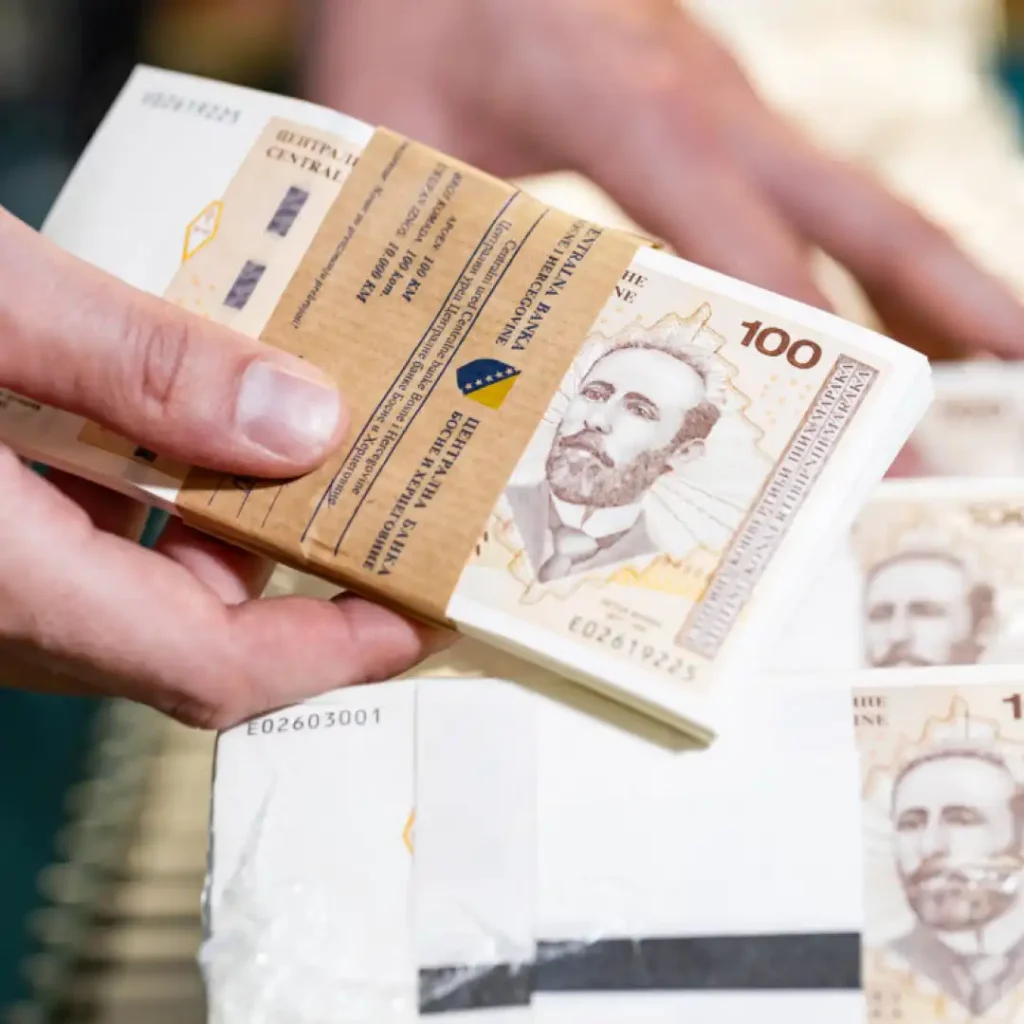
Bosnia and Herzegovina uses the Convertible Mark (KM), a currency directly pegged to the euro at a fixed exchange rate of 1.95 KM to 1 euro — meaning stable prices and easy calculations for travelers from the eurozone.
Cards are accepted in hotels, restaurants, and most retail outlets in cities, but cash remains essential — especially at markets, smaller cafés, rural areas, and with private accommodation providers.
ATMs can be found in all major cities and most smaller towns, and currency exchange offices are widespread and easily accessible.
Banks operate on weekdays and are closed on weekends and public holidays, so if you need to handle any banking matters, plan ahead.
A handy tip: withdraw cash from an ATM as soon as you arrive at the airport — the exchange rate is always more favorable than at currency exchange offices in tourist areas.
Network and Internet
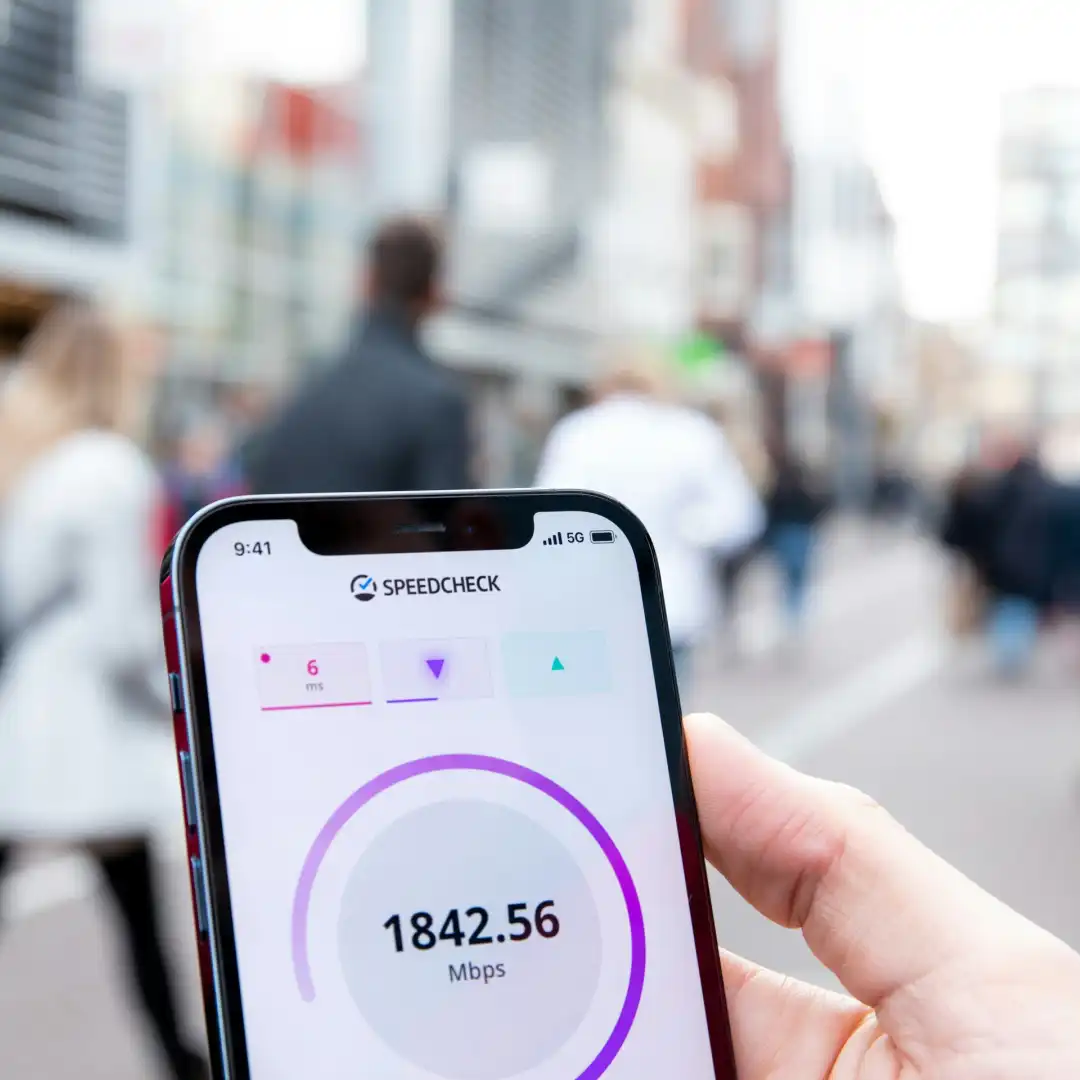
Mobile coverage in Bosnia and Herzegovina is good in all major cities and most rural areas.
European phones work without problems on roaming, but fees can be high — if you plan to use your phone more, it is more economical to buy a local SIM card that costs just 5 KM and it is available at any post office or kiosk.
With a SIM card you can also activate mobile internet at affordable prices, which is an ideal solution if you are traveling between cities or visiting more remote destinations.
Travelers from the USA and Canada should check with their operator before arrival because roaming is not always supported.
Wi-Fi is available almost everywhere — in hotels, cafés, restaurants, as well as in many public squares and parks in larger cities, so connectivity is rarely a problem.
Safety
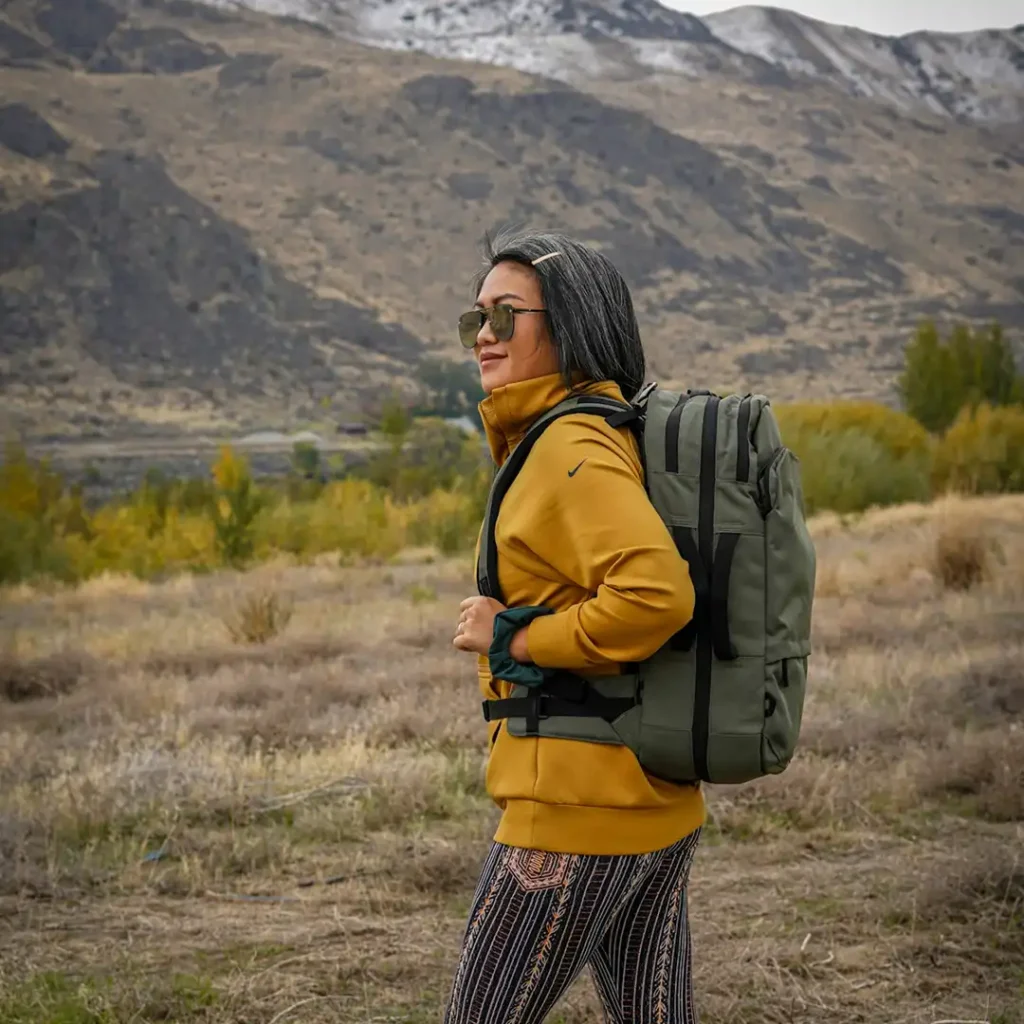
Bosnia and Herzegovina ranks among the safer destinations in the region — the rate of violent crime is extremely low, and the country is generally safe for both solo male and female travelers.
Standard precautions are recommended: in crowded places, do not leave your belongings unattended. Use only registered taxi drivers. One specific thing every visitor should be aware of — in isolated mountain areas, landmines still exist, a legacy of the war in the 1990s.
These are well marked with red signs reading "MINE" and "МИНЕ" — they are found exclusively off marked trails and away from tourist zones. A simple rule: stay on marked paths and never venture into unknown forest or mountain terrain without a local guide.
If you are planning hiking outside of well-known routes, always check with local tourist organizations or mountain guides before setting off.