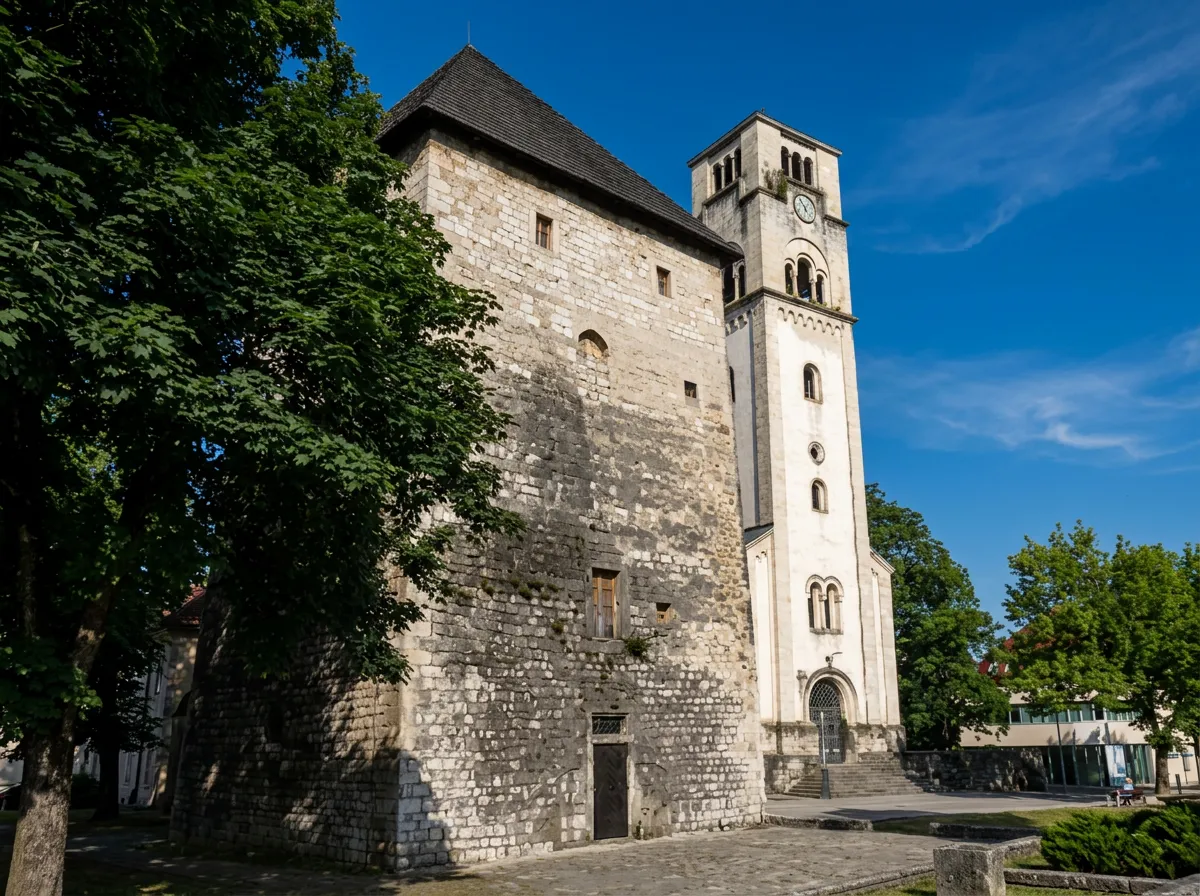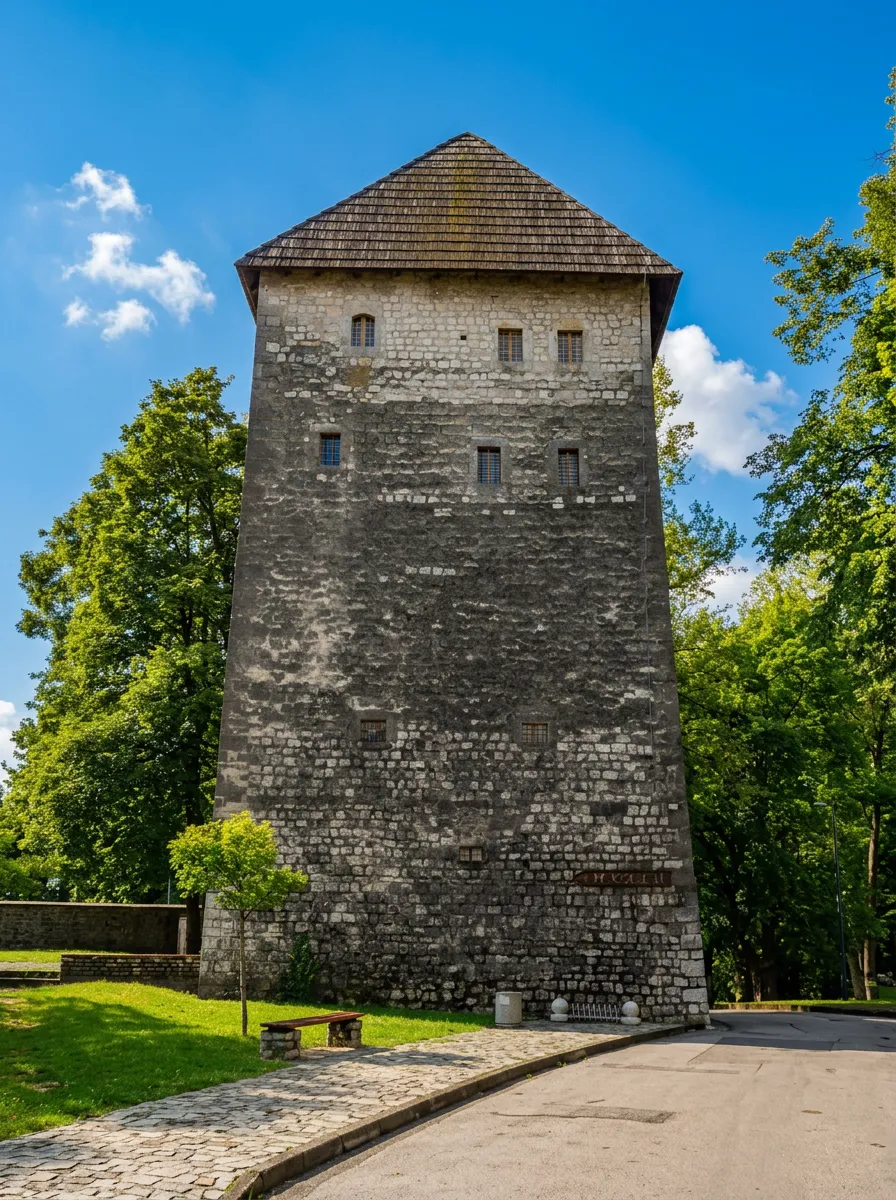





Captain's Tower



Description
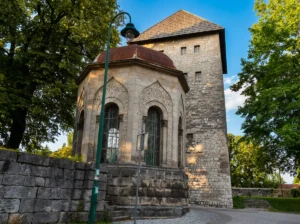
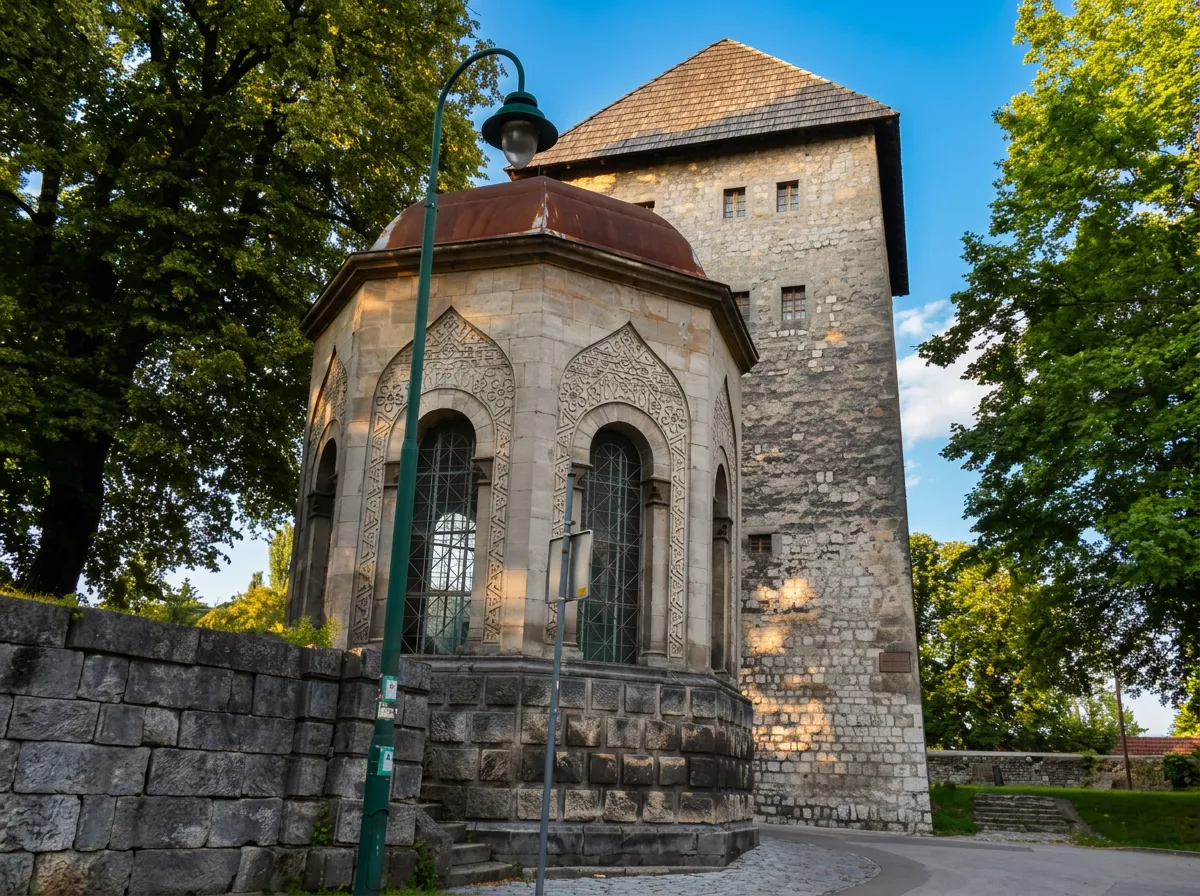
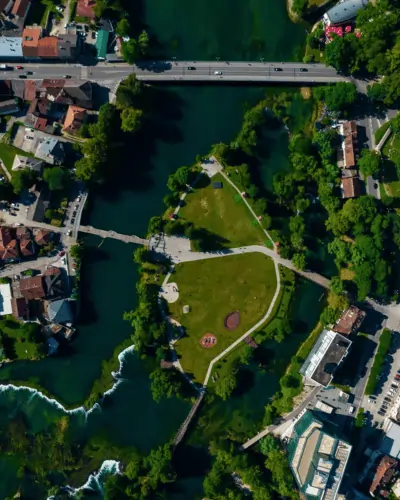
Kapetanova kula is one of the oldest and most recognizable buildings in Bihać, located right on the bank of the Una River. According to some sources, it dates back to the Middle Ages, while other theories link its origins to the later Ottoman period, when Bihać played an important role as a fortified border town.
Throughout history, the tower had an important military role and served as the seat of the Bihać captains who were in charge of the city’s defense. Its thick stone walls and strategic position allowed control over the approaches to the city and the river. With the arrival of Austro-Hungary, the tower lost its military function and was turned into a prison, which further enriched its historical layers.
Kapetanova kula is especially captivating because of the many legends surrounding it, including the story of the Hungarian King Bela IV, who, according to tradition, found refuge in fortified Bihać and, in gratitude, granted the city the status of a free royal city.
Today, Kapetanova kula has been turned into a museum space housing the Museum of Una-Sana Canton. It offers visitors insight into Bihać’s rich past through permanent exhibitions, as well as a unique view of the city and the Una River. As a national monument of Bosnia and Herzegovina, Kapetanova kula represents a blend of history, architecture, and legends that still attract many visitors today.
The tower through the centuries
Kapetanova kula changed its function as many times as Bihać changed rulers. It was most likely built in the Middle Ages — possibly as early as 1205 — as a defensive tower within the Bihać fortification system. When the Ottoman army captured the city in 1592, the tower became part of the westernmost Ottoman fortress in Bosnia and a key point for incursions into Croatia.
After the arrival of the Austro-Hungarians, its military function gave way to a completely different one — the tower became a district prison and remained so for a full seventy years, until 1959. The additions and enlarged windows from that period are still visible on the building today.
Museum inside the tower
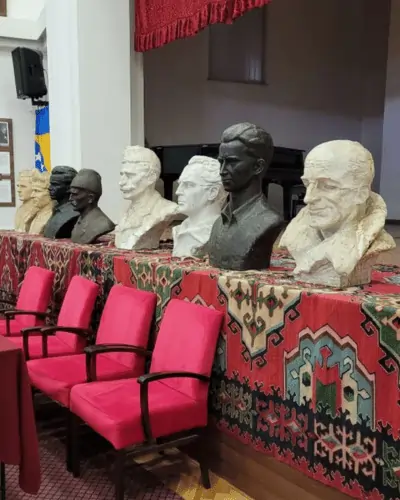
Kapetanova kula is now home to the Museum of Una-Sana Canton, which houses five permanent exhibitions across its four floors. A special place is given to material related to the Bihać Republic and the First Session of AVNOJ in 1942, one of the key events in the history of Bosnia and Herzegovina in the 20th century.
Alongside the historical section, the museum also develops archaeological, ethnological, artistic, and documentary departments. The tower has thus been transformed from a military structure into a cultural center that offers visitors insight into several thousand years of the history of the Una-Sana region in one place.