

Rivers in Bosnia and Herzegovina
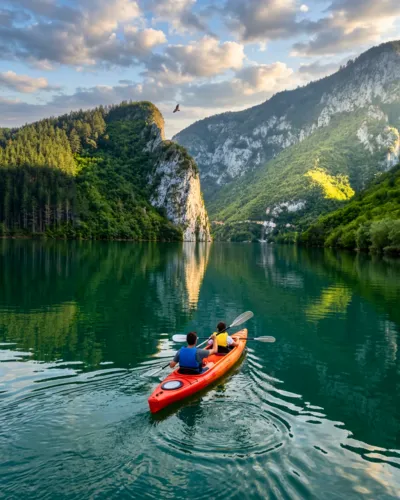
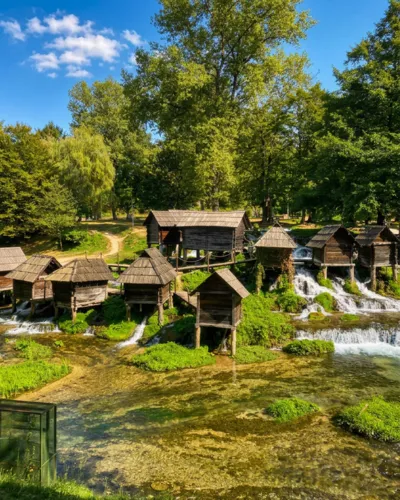
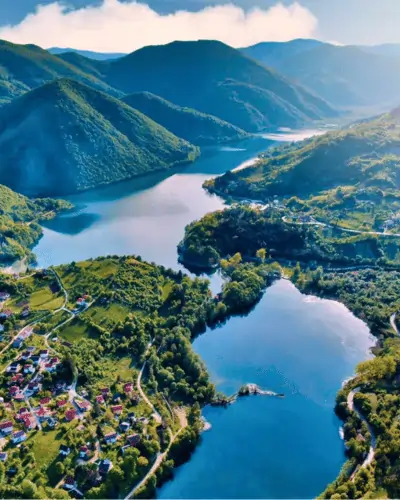
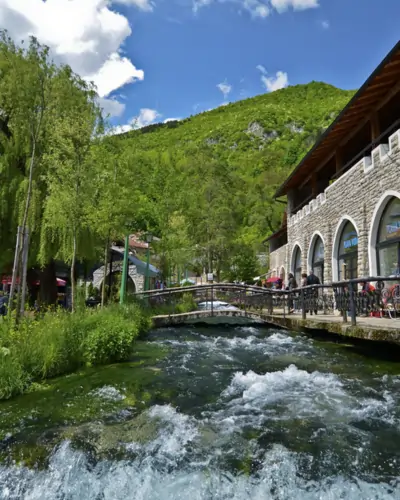
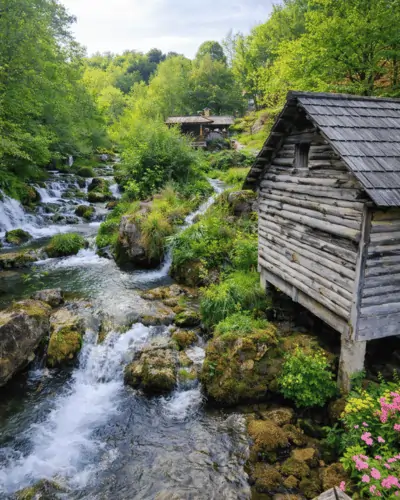
Bosnia and Herzegovina has more rivers per square kilometer than almost any other country in Europe. Green, white, emerald, and ice-cold — they flow through canyons deeper than the Alps, ancient forests older than civilization, and cities built along their banks a thousand years ago. Here, a river is not a backdrop — it is the reason you come.

Why Visit the Rivers of Bosnia and Herzegovina?
Bosnia and Herzegovina ranks sixth in Europe in freshwater wealth. Crystal-clear, cold, and untouched rivers flow through canyons, ancient forests, and historic landmarks — without the crowds and at prices that will surprise you.
The Second Deepest Canyon in the World — 1,300 m
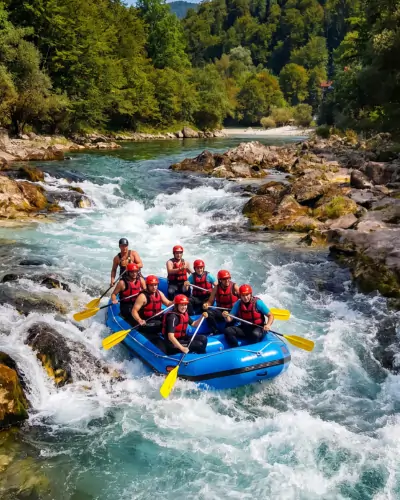
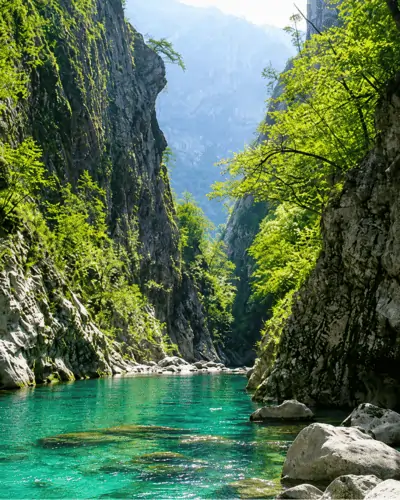
The Tara Canyon is 1,300 meters deep and the second deepest in the world, right after the Grand Canyon. Rafting through it is one of the most dramatic river experiences available in Europe.
The Una — The River Named by the Romans
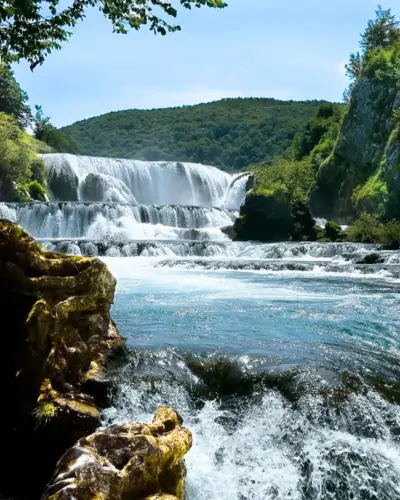
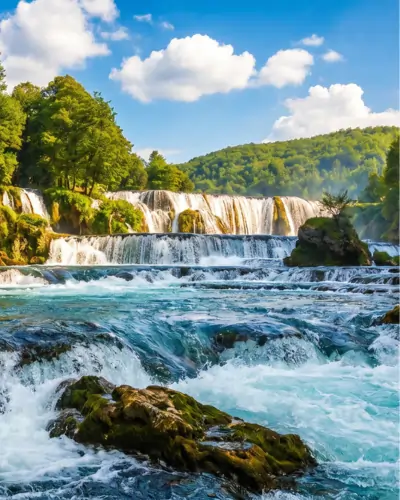
So beautiful that the ancient Romans named it Una — the one and only. The only river in Bosnia and Herzegovina with its own National Park, its own regatta, and water so pure you can drink it directly from the river.
How Long Does the Rafting Season Last in BiH?
Usually from March to October. On the Una, Vrbas, and Neretva rivers, the season begins as soon as the snow melts — in late February — and lasts until autumn, when the rivers take on their most dramatic colors.
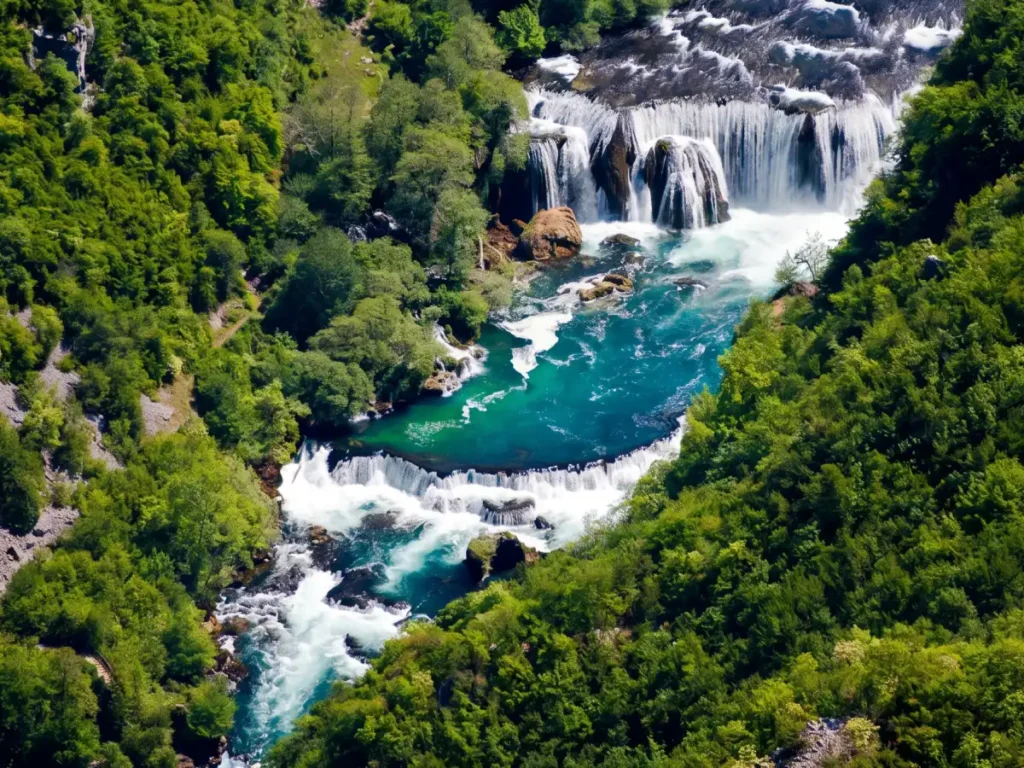
Una river
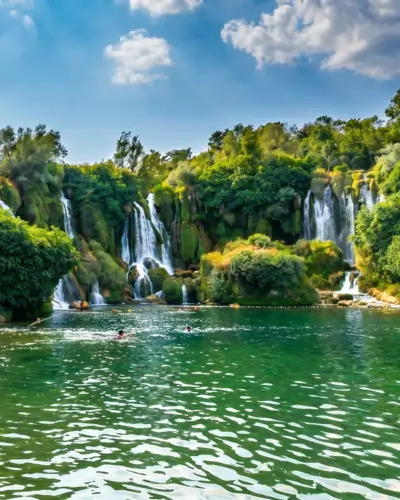
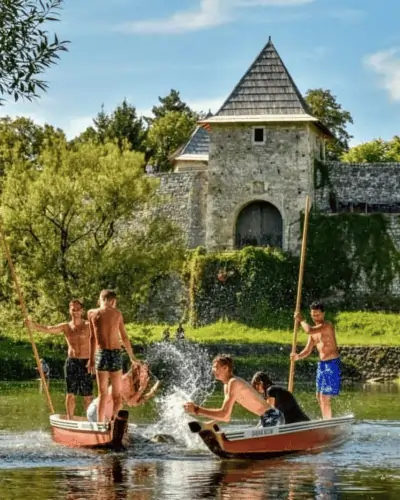
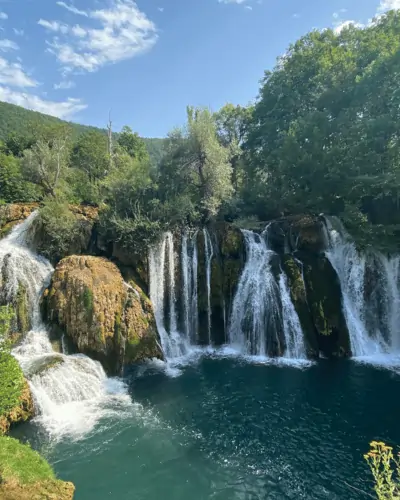
The only river in Bosnia and Herzegovina with its own National Park, its own regatta, and its own legend. The green-turquoise color flowing through the canyon is not a filter — it is nature at work.
Even the ancient Romans, amazed by the river’s beauty, exclaimed “Una!” — one, unique. But the real wonder lies beneath the surface: divers exploring the source of the Una reached a depth of 248 meters, yet the bottom has never been found.
Neretva
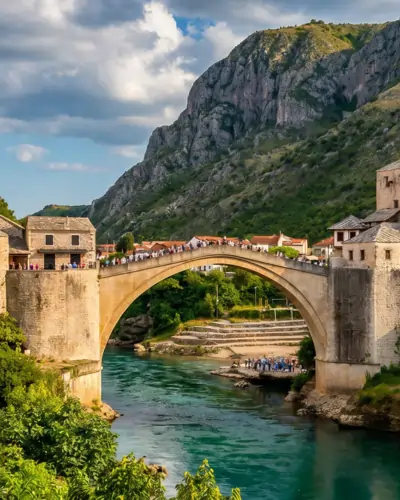
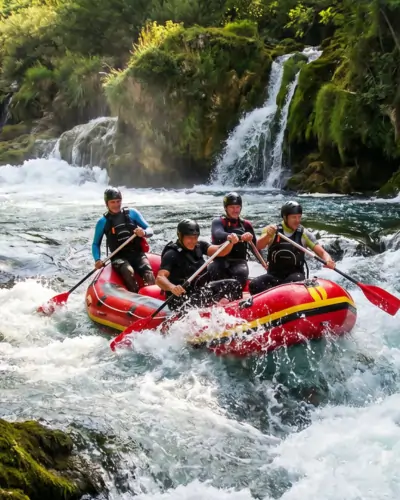
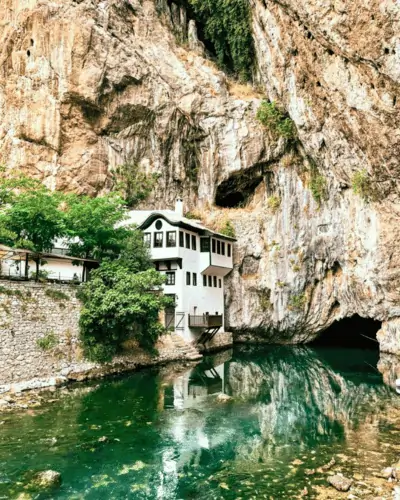
The only river in the Balkans that cuts through the Dinaric Alps and flows directly into the Adriatic Sea — the Neretva is the backbone of Herzegovina. From the icy canyon near Konjic, where rafters glide through emerald-green waters, to the Old Bridge in Mostar standing above it for centuries.
During summer, the temperature of the upper Neretva rarely exceeds 7–8°C — colder than most alpine lakes.


Tara
The Tara does not simply flow — it carves its way forward. Through a canyon 1,300 meters deep, beneath towering cliffs casting shadows over crystal-blue water, this river offers one of the most dramatic river experiences in Europe.
The Tara Canyon is the second deepest canyon in the world, right after the Grand Canyon in Colorado, and the Tara was declared the first river in Europe with drinkable water along its entire course — you can drink directly from the river.
Vrbas
The Vrbas is a river for those seeking adrenaline. Through gorges and canyons stretching from Jajce to Banja Luka, it offers some of the most exciting whitewater sections in Europe.
In 2009, the Vrbas hosted the World Rafting Championship, and experts rank it among the most attractive Class III–IV rafting rivers in Europe.

Drina
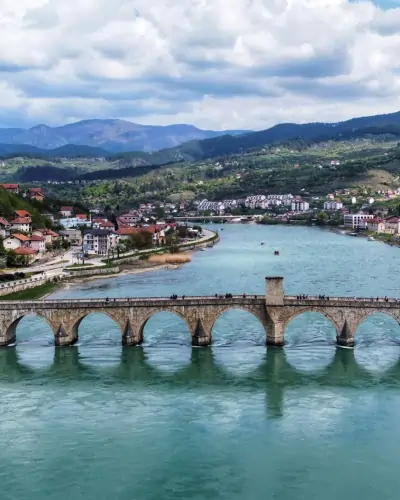
The Drina is both a geographical and cultural border. Born where the Tara and Piva rivers merge at Šćepan Polje, this mighty river flows through canyons, around rocky islets, and past Višegrad, Goražde, and Foča.
Nobel Prize winner Ivo Andrić dedicated an entire novel to the Drina — The Bridge on the Drina — and the bridge he described still stands in Višegrad today. The Drina is not just a river — it is an epic.
The rivers of Bosnia and Herzegovina bring so much more…