



Caves in Bosnia and Herzegovina
Bosnia and Herzegovina hides one of the densest networks of karst caves in Europe. More than 3,000 registered caves and pits — many of which are still waiting for someone to be the first to pass through them. Here, darkness is not an obstacle; it is an invitation.

Hidden worlds beneath the surface
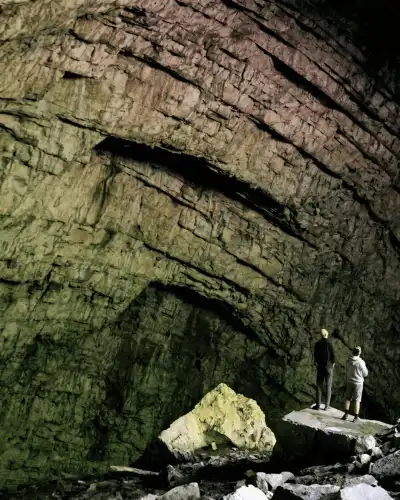
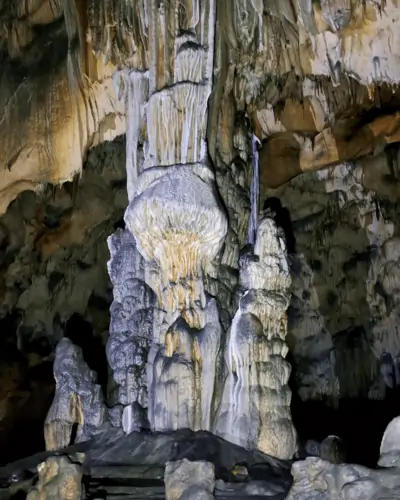
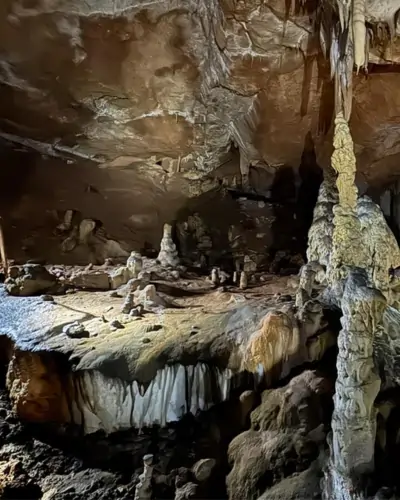
The caves of Bosnia and Herzegovina lie beneath mountains, canyons, and karst fields — untouched underground worlds adorned with formations shaped over millions of years.

Formations shaped over millions of years
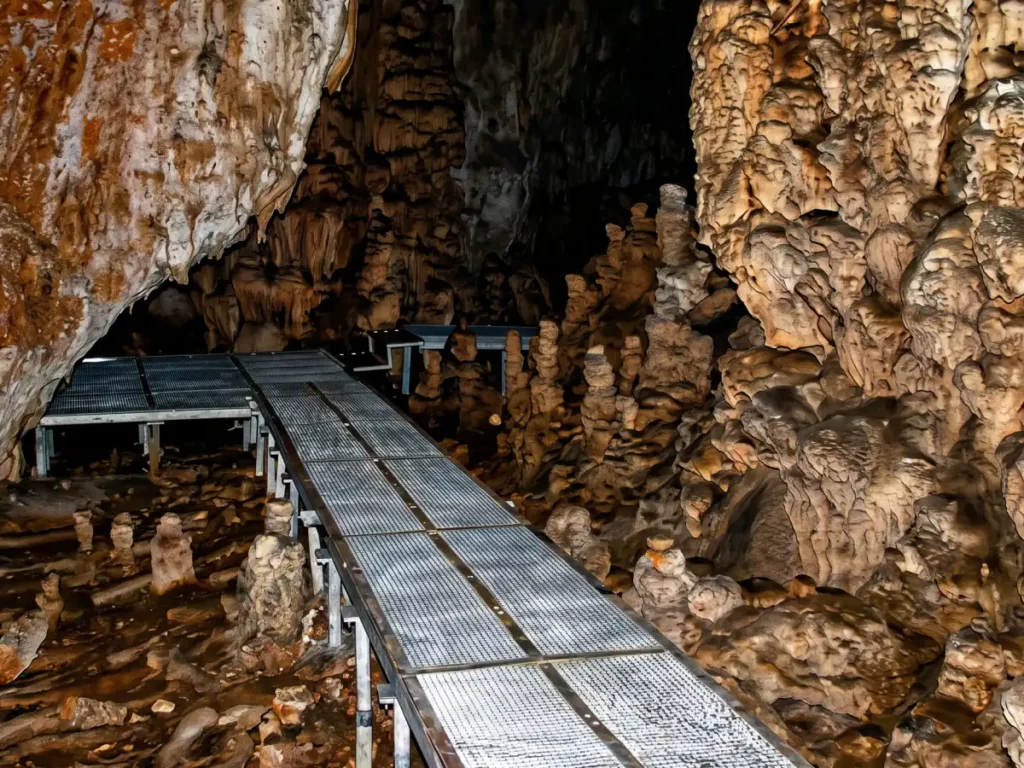
Stalactites, stalagmites, helictites, and cave pearls in shades ranging from snow white to deep red — every cave is different, each surreal in its own way.

Home to rare and endemic species
From the olm in Vjetrenica to the Tajan cave woodlouse found nowhere else on Earth — Bosnian caves are the last refuge of species from prehistoric times.

From easy tours to wild caving adventures
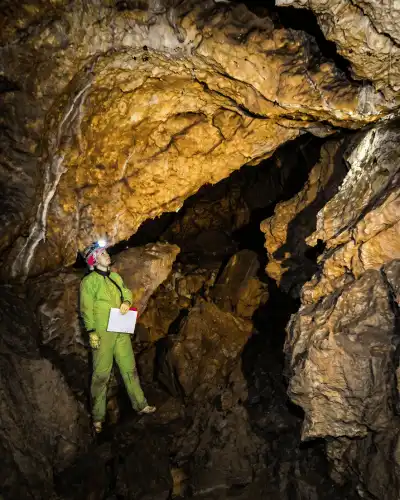
For beginners, there are arranged trails and guided tours; for experienced speleologists, unexplored passages and underground lakes. Every cave offers a different level of adventure.
Vjetrenica
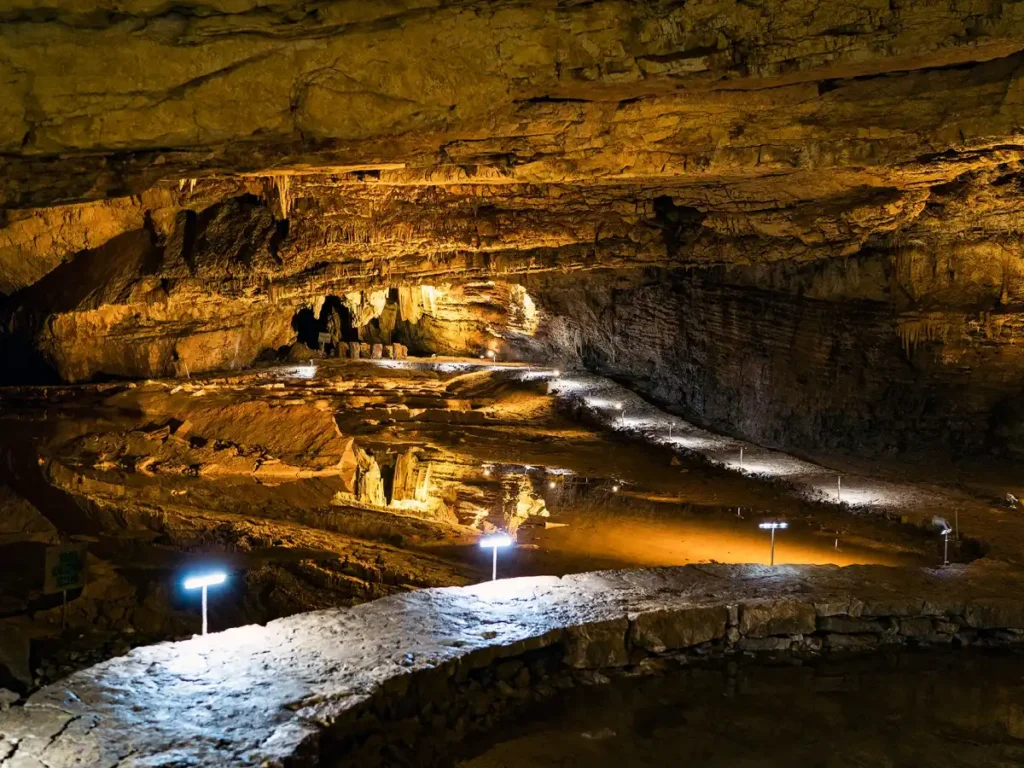
The largest and most significant cave in Bosnia and Herzegovina, world-famous for its karst features — ranked number one on the planet for underground biodiversity, with more than 200 different species.
In 1968, a complete leopard skeleton was discovered inside the cave, and geologists believe its underground channels may extend all the way to the Adriatic Sea.
Orlovača cave
One of the most beautiful caves in Bosnia and Herzegovina — a unique underground wonder where stalagmites, stalactites, and helictites alternate with coral and aragonite formations and extraordinary cave pillars.
Alongside bear bones found 400 m from the entrance, fragments of Mesolithic pottery and axes dating between 2,500 and 3,500 years old were also discovered.
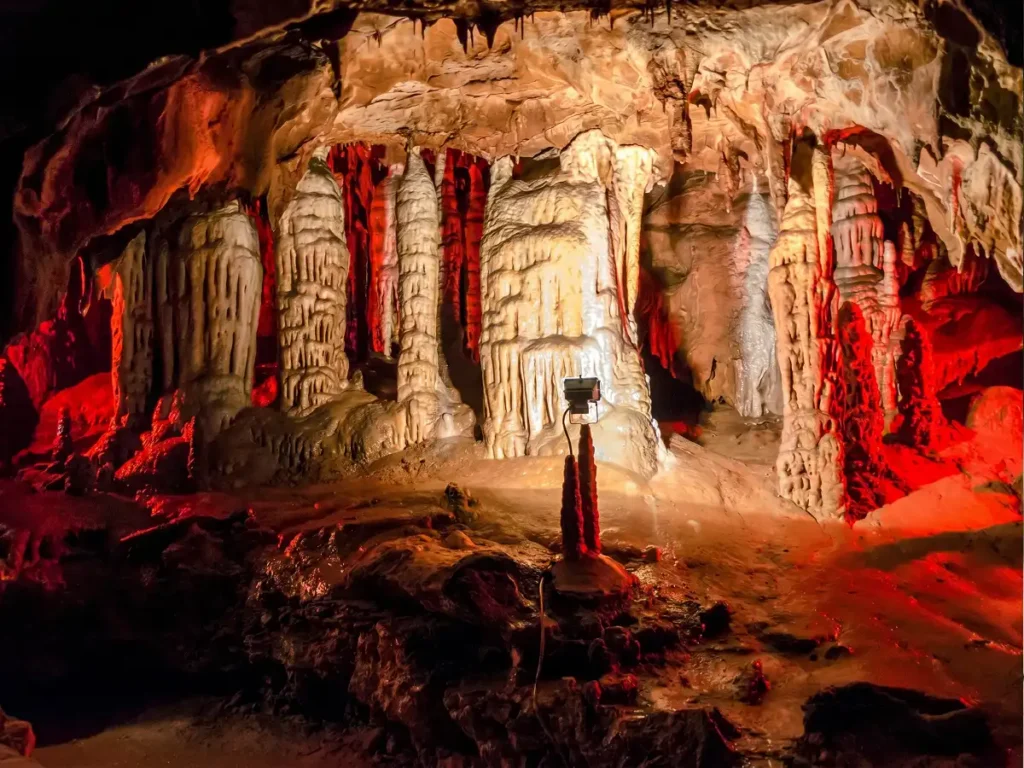

Bijambare caves
A legally protected area covering 370 hectares with dense conifer forests and a complex of eight caves — the largest stretching 420 meters and featuring the famous Concert Hall.
Remains of prehistoric humans, stone tools, and animal bones were found in the Upper Bijambare Cave, making it one of the most important prehistoric archaeological sites in Bosnia and Herzegovina.
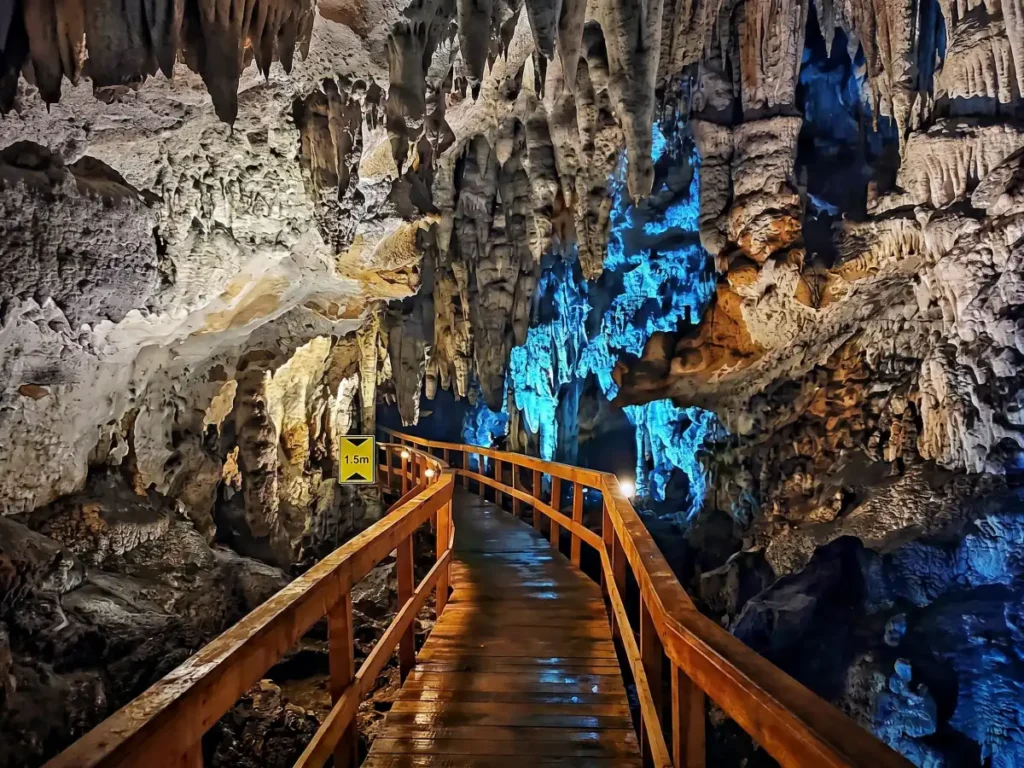
Vaganska cave
One of the natural gems of Bosnia and Herzegovina — composed of eight named sections such as the Shepherd’s Hall, Ceremonial Hall, and Hall of Giants, each spectacular in its own way.
According to legend, shepherds who sheltered in the cave lit fires to keep warm, and the smoke could supposedly be seen all the way from Kupres — which inspired the name Shepherd’s Hall, the cave’s most spectacular chamber.
Djevojačka cave
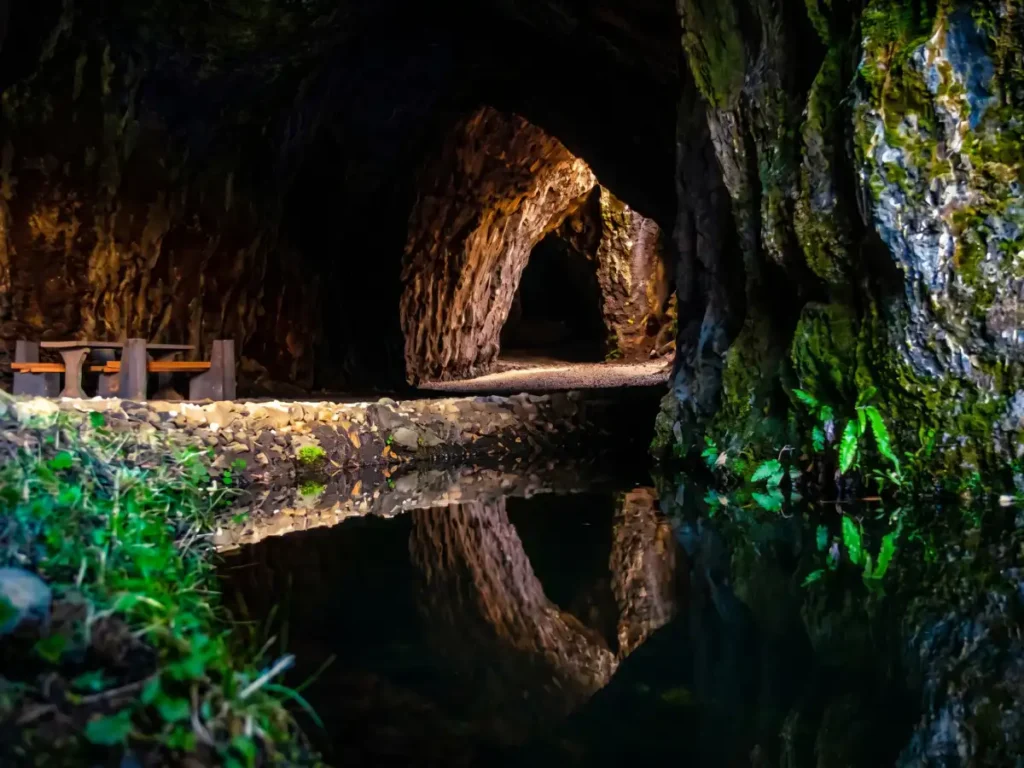
One of the most fascinating caves in Bosnia and Herzegovina — known for engravings of horse riders, hunting scenes, and human figures from the Paleolithic period dating back more than 10,000 years.
Because of its Paleolithic engravings, Djevojačka Cave is often called the “Bosnian-Herzegovinian Altamira” — drawings of deer, riders, and human figures older than 10,000 years represent some of the rarest prehistoric artworks in the Balkans.
Lukina cave
A cave in the Tajan Nature Park known for the beauty of its cave formations, a stalagmite resembling a mother with a child, and remains of an extinct cave bear more than 15,000 years old.
A newly discovered species called the Tajan cave woodlouse was found here — an endemic species existing only on Tajan, making this cave scientifically significant.