




Old Town Hutovo



Description
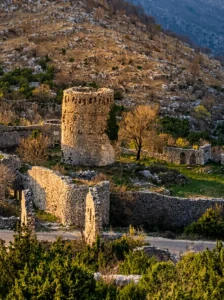
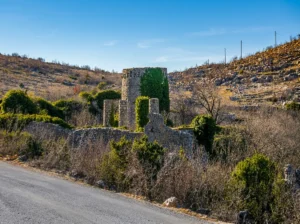
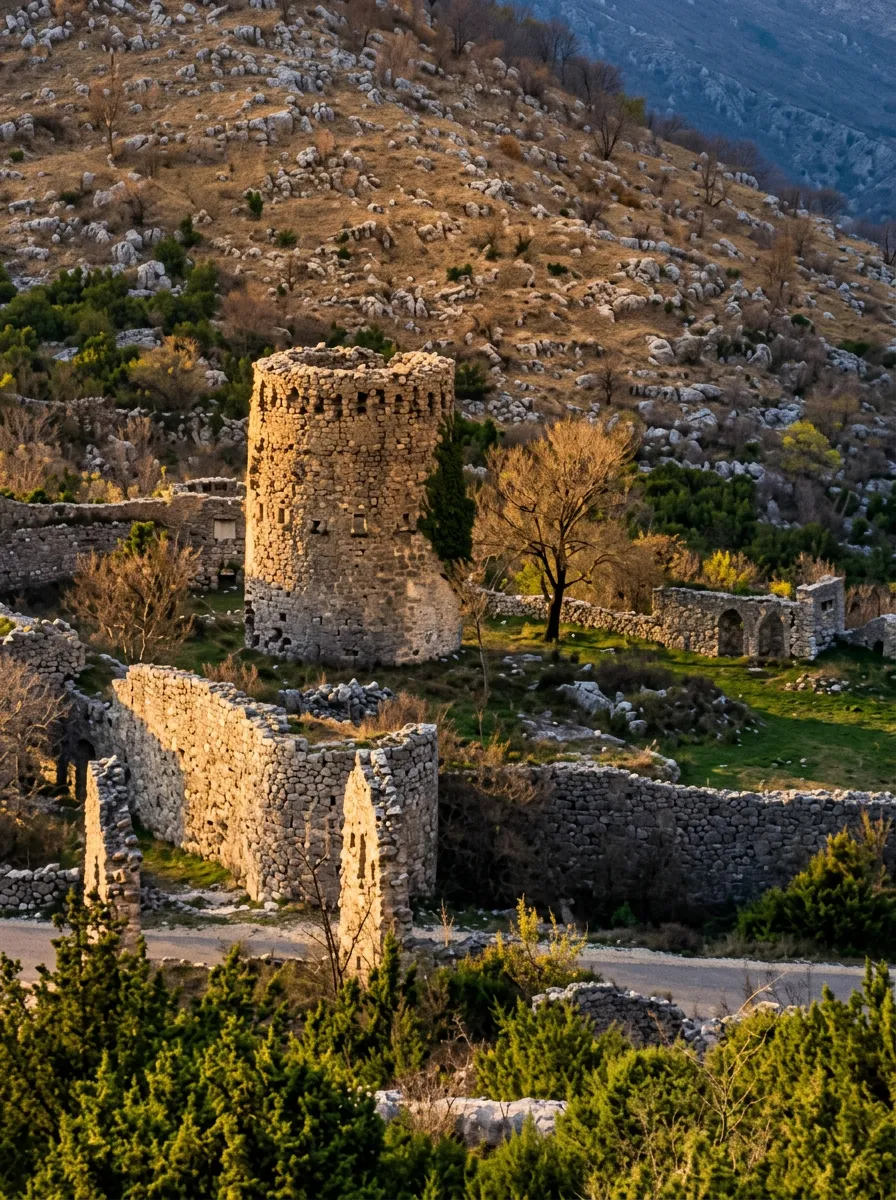
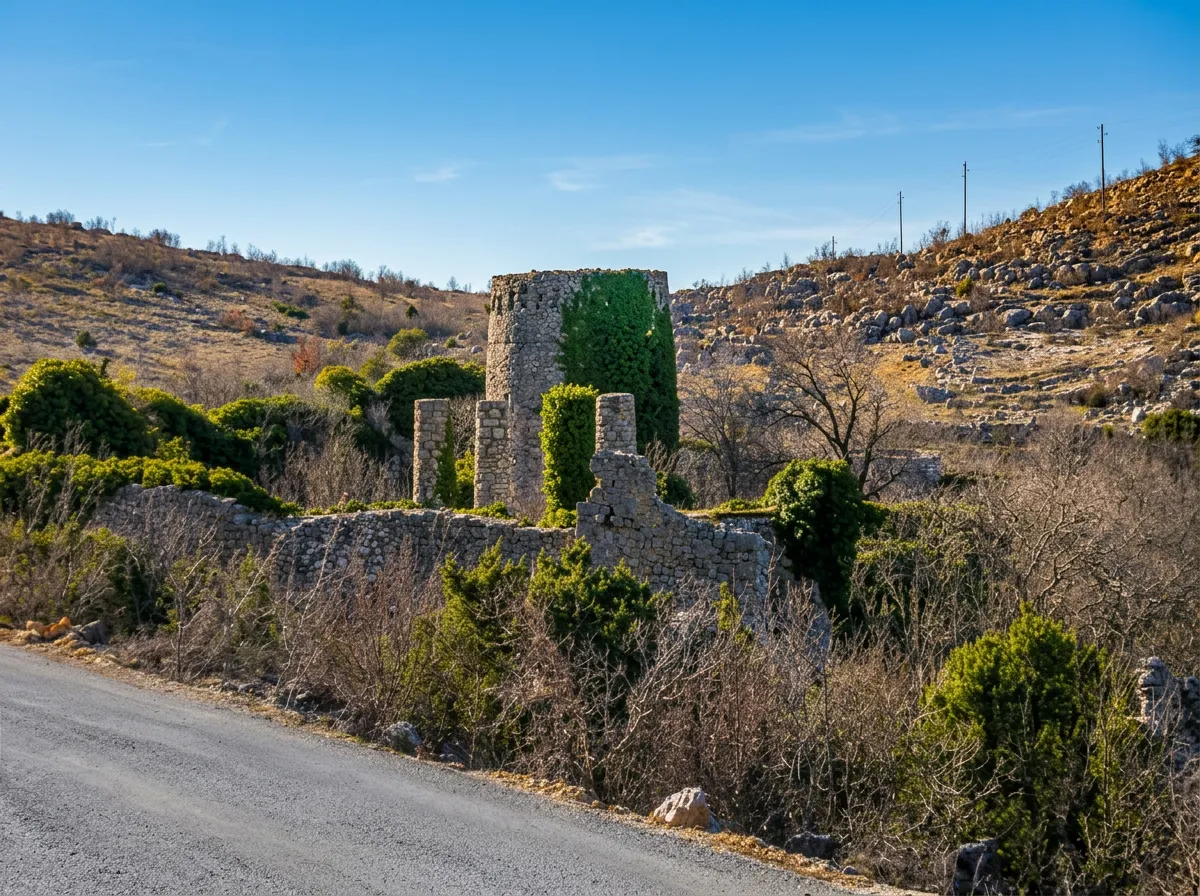
Hutovska tvrđava, with its strong ramparts and numerous towers, bears witness to a turbulent past and is a unique attraction for lovers of history and authentic sites. This site has significant strategic value, as it controlled important routes for centuries that connected the interior of Herzegovina with the Adriatic coast.
The fortress dates back to the Middle Ages, and gained its full significance during the Ottoman period, when it was used as a military stronghold and part of the area's defense system. Although only partially preserved today, its stone walls and position bear witness to a turbulent past and the importance it once had in controlling trade and movement through this area.
Surrounded by rugged karst landscapes and the silence of nature, Stari grad Hutovo is today an interesting destination for lovers of history, exploration, and photography. Its location offers an authentic Herzegovinian experience, where the past and nature blend into a unique setting.
A snake-free fortress
There is one thing that Hutovski grad sets apart from all other fortresses in Bosnia and Herzegovina. According to legend, Hadži-Mehmed-beg Rizvanbegović, the captain who governed Hutovo and was known for his interest in astrology and mystical knowledge, carved an inscription on a stone slab that banished snakes from the fortress. Since then — locals in Hutovo claim — no one has seen a snake in the Grad. Throughout the fortress, slabs with engraved names of God were placed, a tilsum whose protective power, as the locals firmly believe, still lasts today.
The last captaincy in Bosnia
Hutovo Captaincy was the last captaincy established in Bosnia and Herzegovina. It was created in 1802 when Hadži-Mehmed-beg Rizvanbegović turned the old customs tower at the Prešjeci pass — which had guarded the salt caravan route from Ston inland since 1714 — into a proper fortress with nine towers, walkways, and underground spaces beneath the towers that, it seems, served as dungeons. Hadžibeg was the only captain in the history of this captaincy; he was killed in 1832, and the fortress was finally abandoned during the 1875–1878 uprising.