
Džamija Fethija




Description
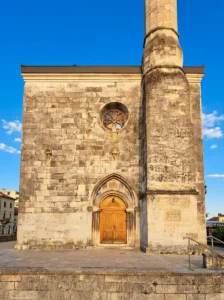
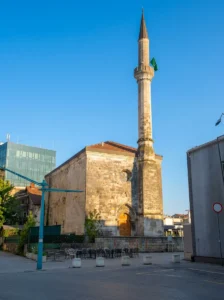
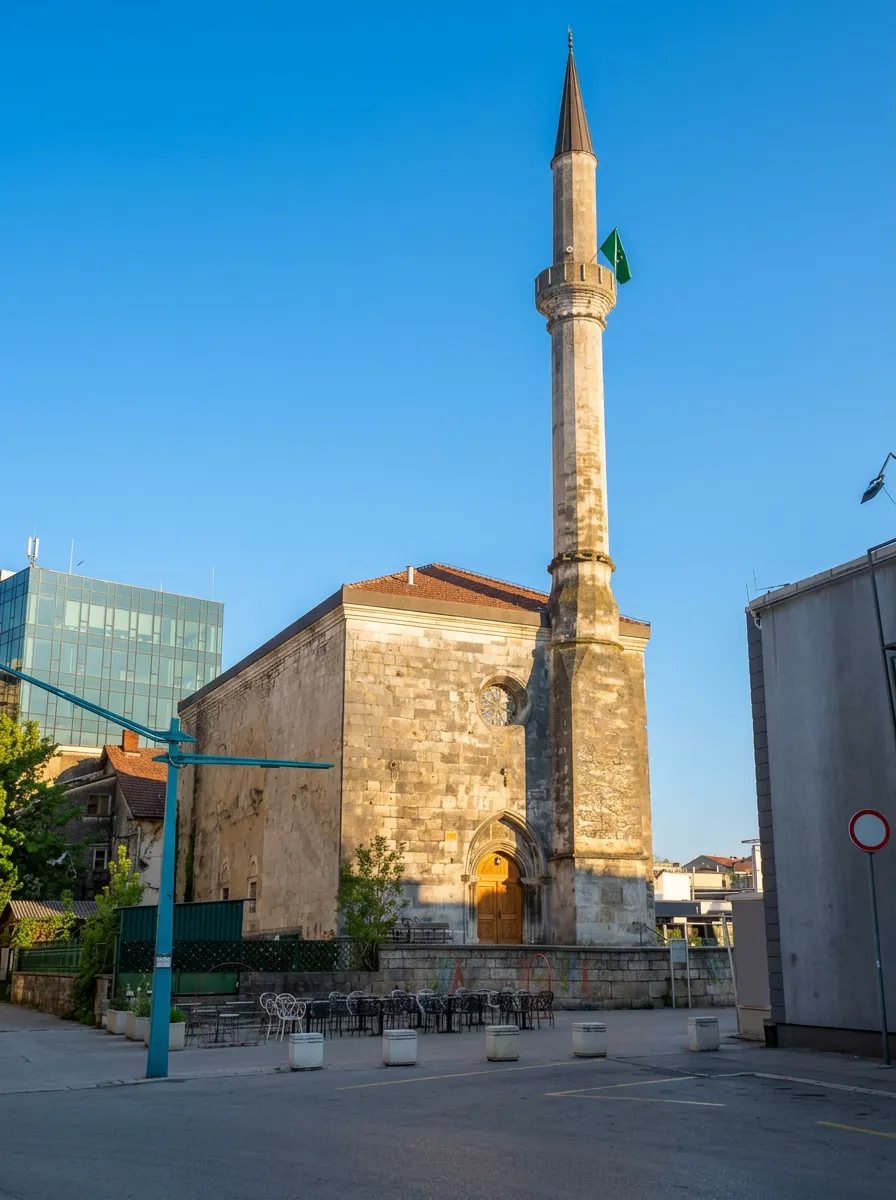
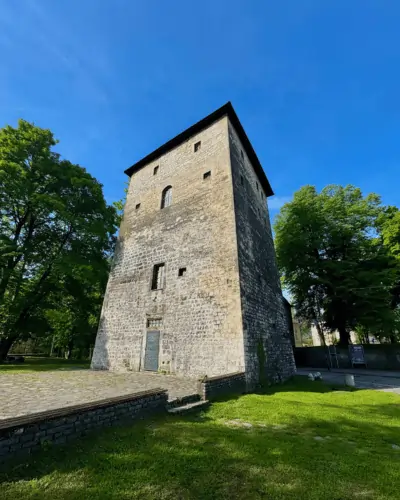
Fethija Mosque is one of the most distinctive religious buildings in the city of Bihać, with a remarkably rich and layered history. Originally built in the mid-13th century as a Gothic church dedicated to St. Anthony, it was later transformed after the Ottoman conquest. By the order of Hasan Pasha Predojević, the building was purchased from the local Catholic community and converted into a mosque, receiving the name Fethija, derived from the Qur'anic chapter Al-Fath, meaning “Victory”.
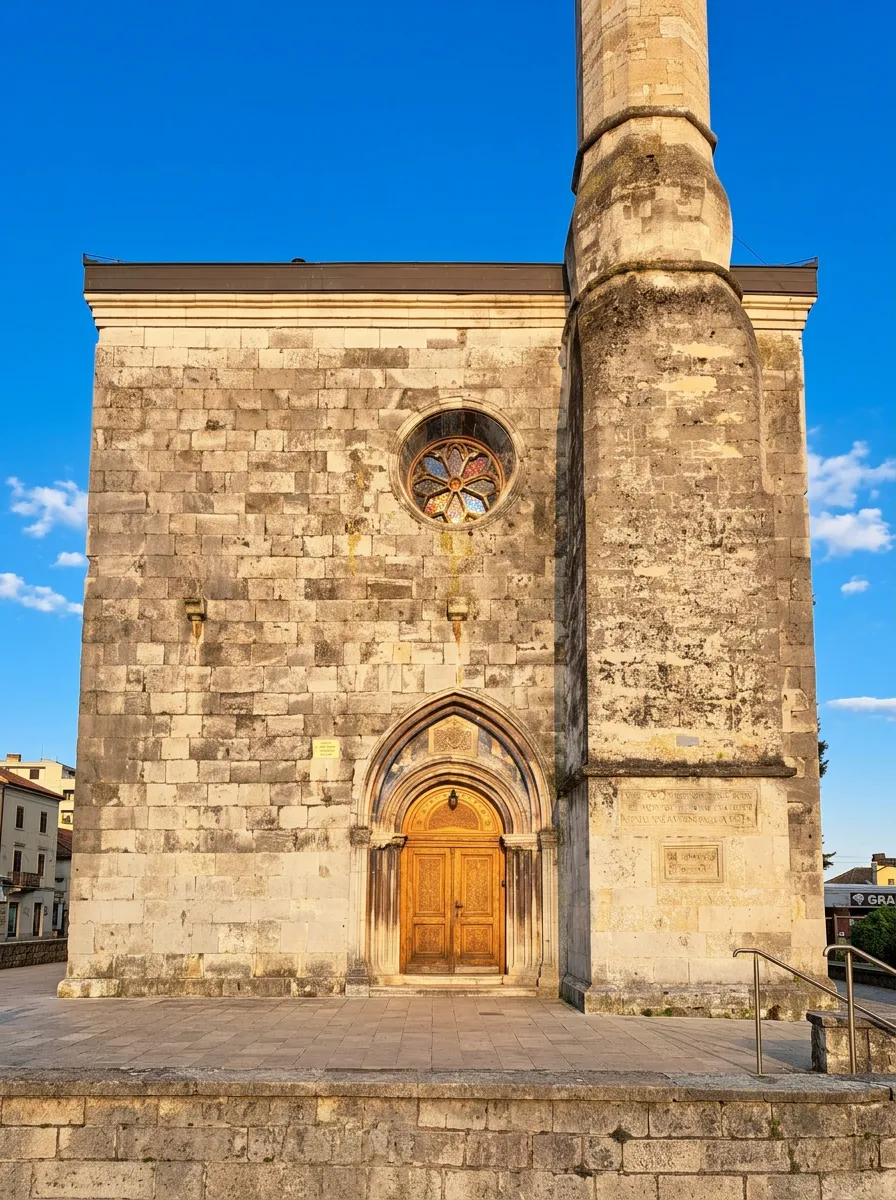
Although adapted for Islamic worship, the structure has preserved many elements of its original Gothic architecture. The characteristic rose window above the main entrance still testifies to its Christian origins, while the interior was modified by placing the mihrab where the altar once stood. During the conversion, some windows were sealed and new openings were created to meet the functional needs of the mosque.
The former bell tower remained standing until 1863, when it was removed due to deterioration and replaced by a minaret built from local bihaćite stone. At the base of the minaret, Arabic inscriptions can still be seen today, commemorating this important transformation.
Today, Fethija Mosque represents a unique blend of Gothic and Ottoman architecture and stands as one of the most valuable cultural and historical monuments in Bosnia and Herzegovina.
Cultural Heritage
Interesting Facts