


Sokolac Fortress




Description
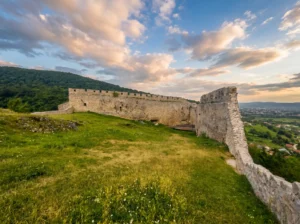
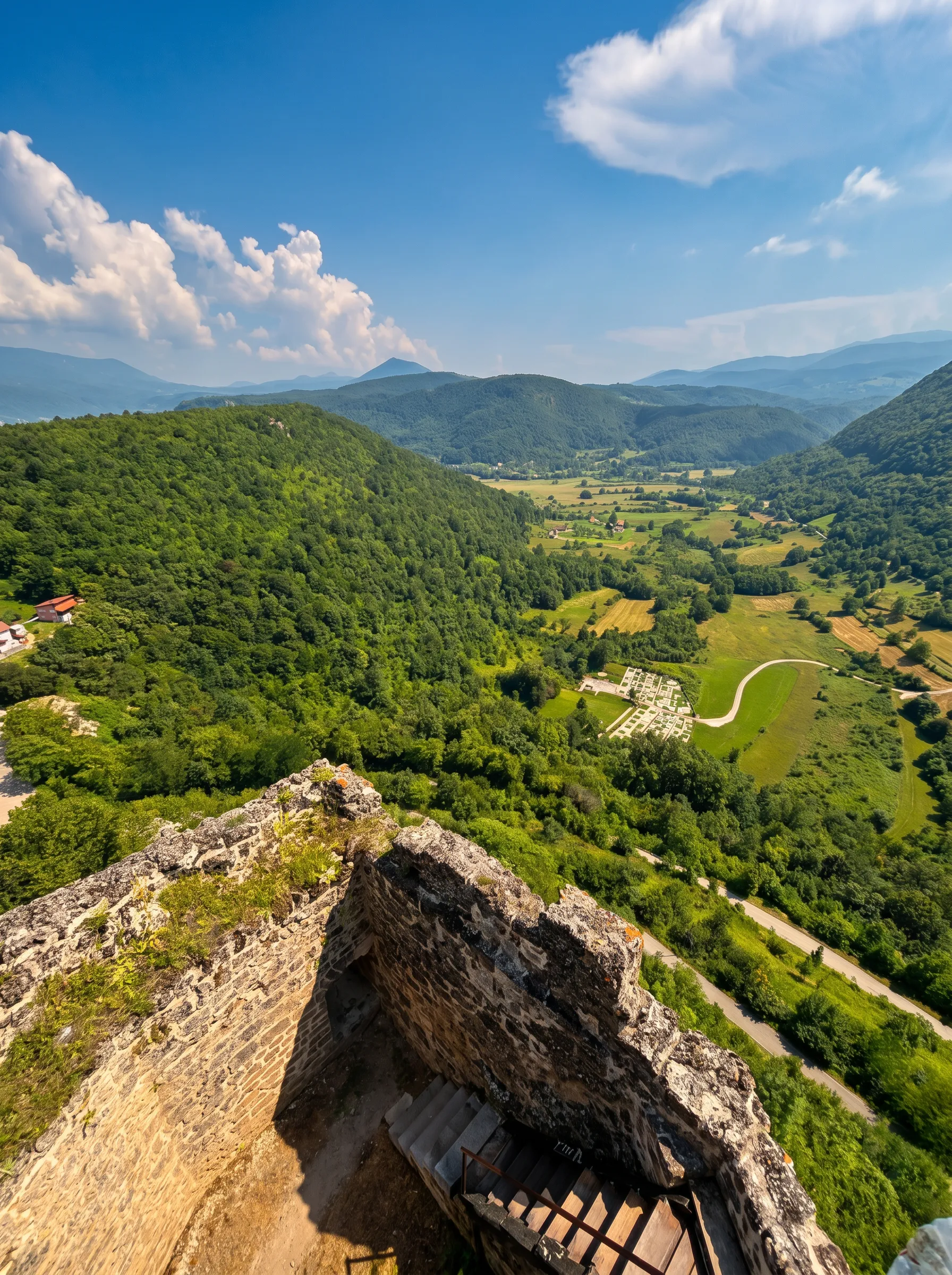
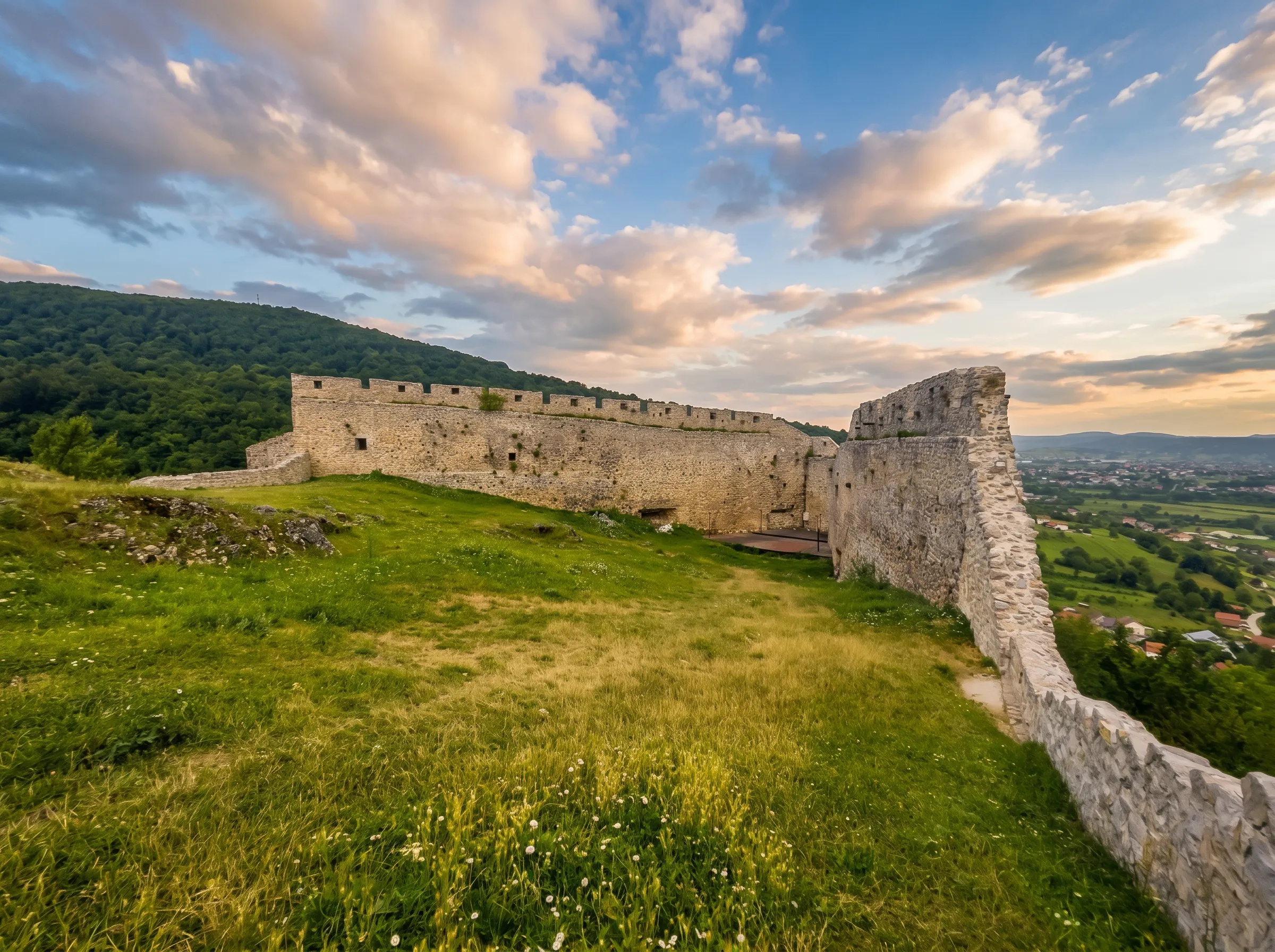
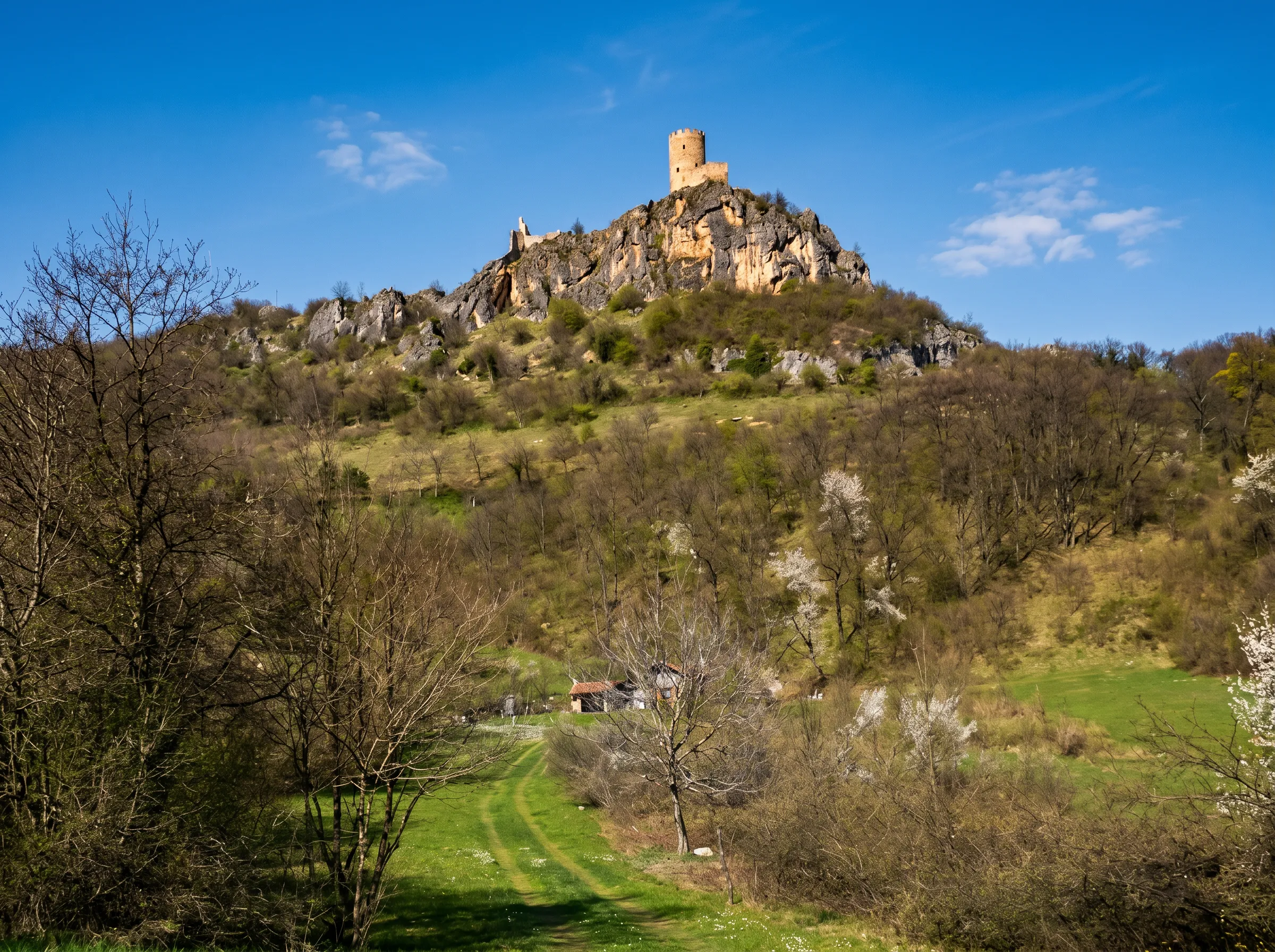
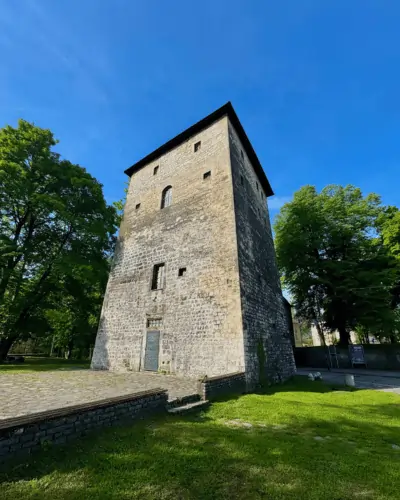
Stari grad Sokolac is located on the left bank of the Una and is one of the most important medieval sites in this area. It is first mentioned in historical sources in 1380.
Its origins are linked to an interesting legend about three sisters — Bika, Soka, and Vrana — who, after their father’s death, decided to build three towns. According to legend, Soka built a fortress on a hill, which was named Sokolac after her, while her sisters founded the towns from which Bihać and Vrnograč later developed.
Today, Sokolac is an attractive tourist destination reached by a well-maintained and illuminated road, suitable for evening walks, while nature lovers can also arrive via hiking trails. In addition to its historical value, this site is increasingly becoming a venue for cultural and music events, combining a rich past with modern content.
Legend of the Three Sisters
One of the most beautiful legends of Pounje is connected to Sokolac. According to it, the wealthy Dobriša had three daughters – Bika, Soka and Vrana – who, after his death, decided to build three small towns on the family estate. Soka chose a high rocky hill above the Una and built a town that was named Sokolac after her.
Bika built a town on the left bank of the Una that eventually became Bihać, while the youngest, Vrana, built Vrnograč near today's Ćukovi. This legend, passed down in the people from generation to generation, places Sokolac within the broader story of the origin of the Krajina towns as essentially female foundations.
Architecture and tour