




Bišćevića House


Description
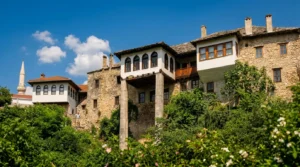
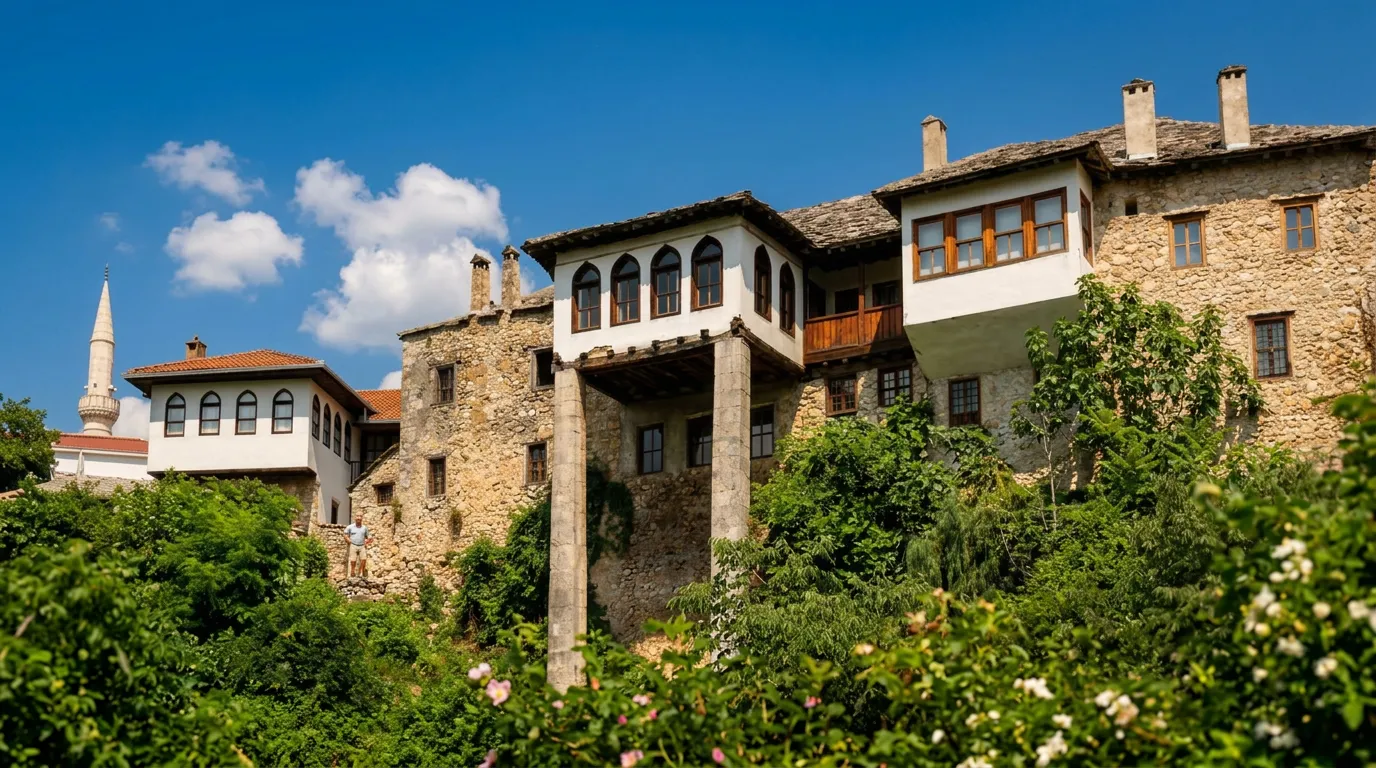
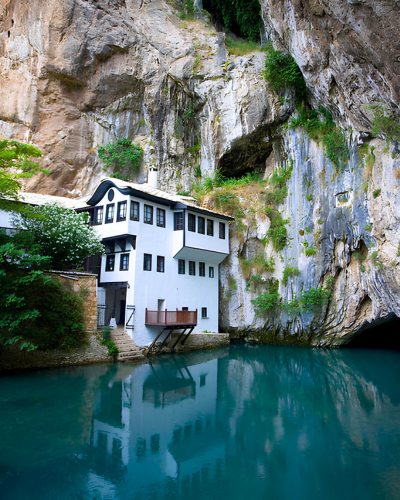
An old house in the heart of Mostar from the Ottoman era, still owned by the Bišćević family, was built in 1635. The Biščević House in Mostar is one of the best-preserved traditional Herzegovinian houses from the Ottoman period and an important example of urban architecture from the 17th and 18th centuries. It is located in the old town center and represents a typical residential building of the wealthier citizens of that time.
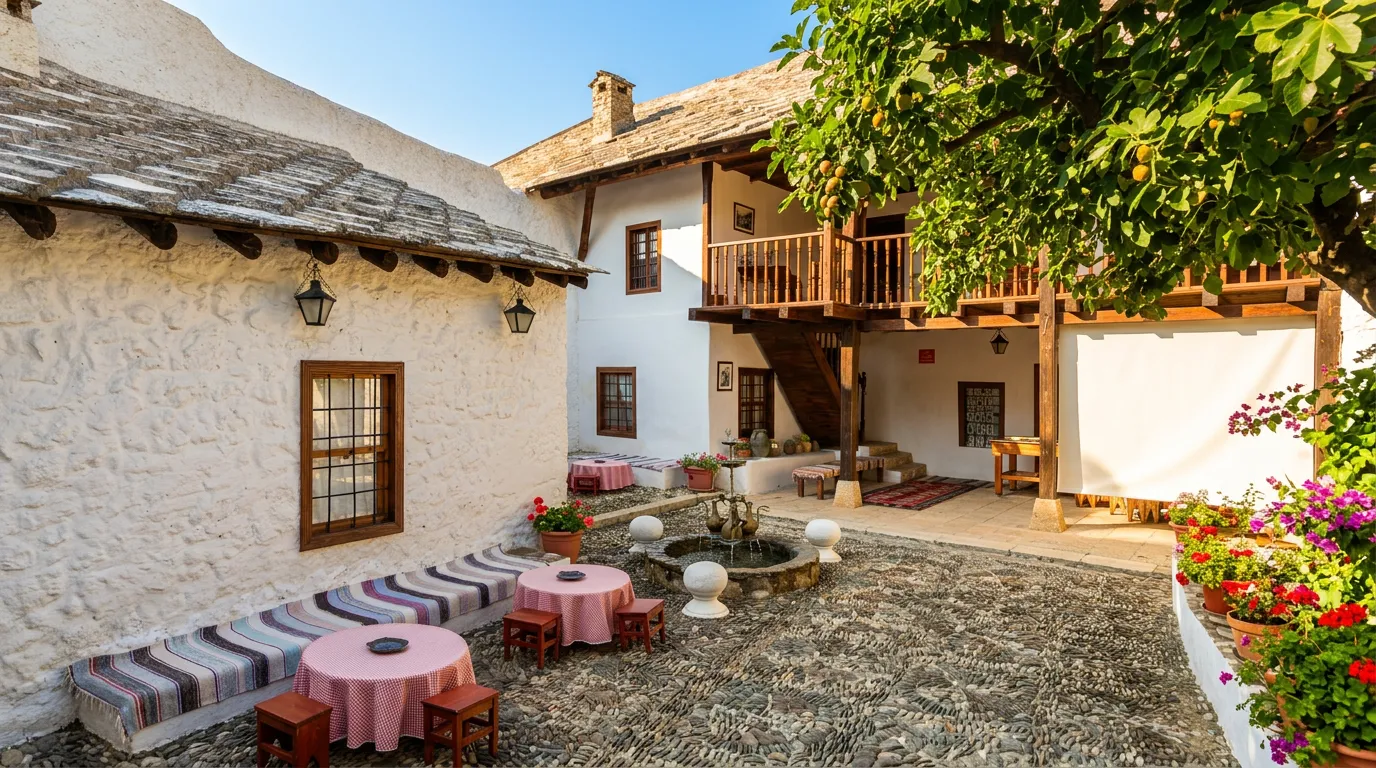
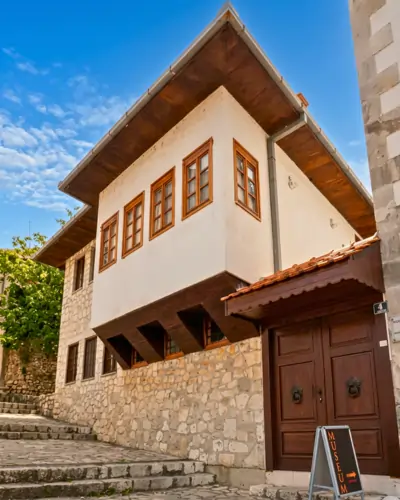
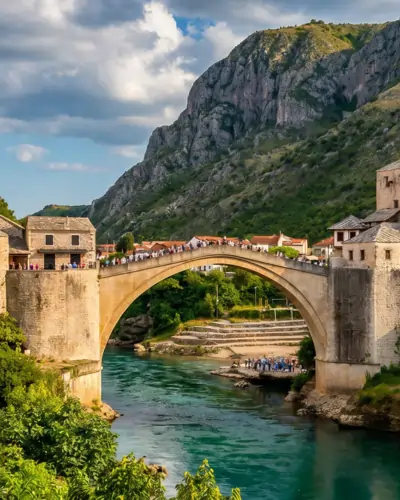
The house is built of stone and wood, with a characteristic balcony and inner courtyard, offering a view of Stari most and the surrounding streets. The interior preserves authentic details such as wooden beams, pillars, and decorative elements that reflect the everyday life of Mostar's merchants and craftsmen.
Today, the Biščević House is open to visitors and is often used as a museum and gallery space, offering insight into the cultural and architectural heritage of Mostar, as well as the spirit of the Ottoman period in Herzegovina. A visit to this house is ideal for anyone who wants to explore the city's history and the authentic atmosphere of old Mostar.
The house and its spirit
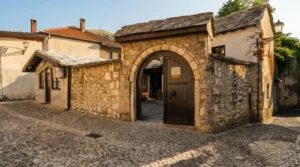
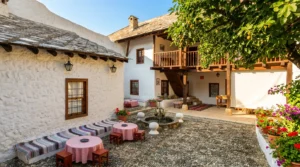
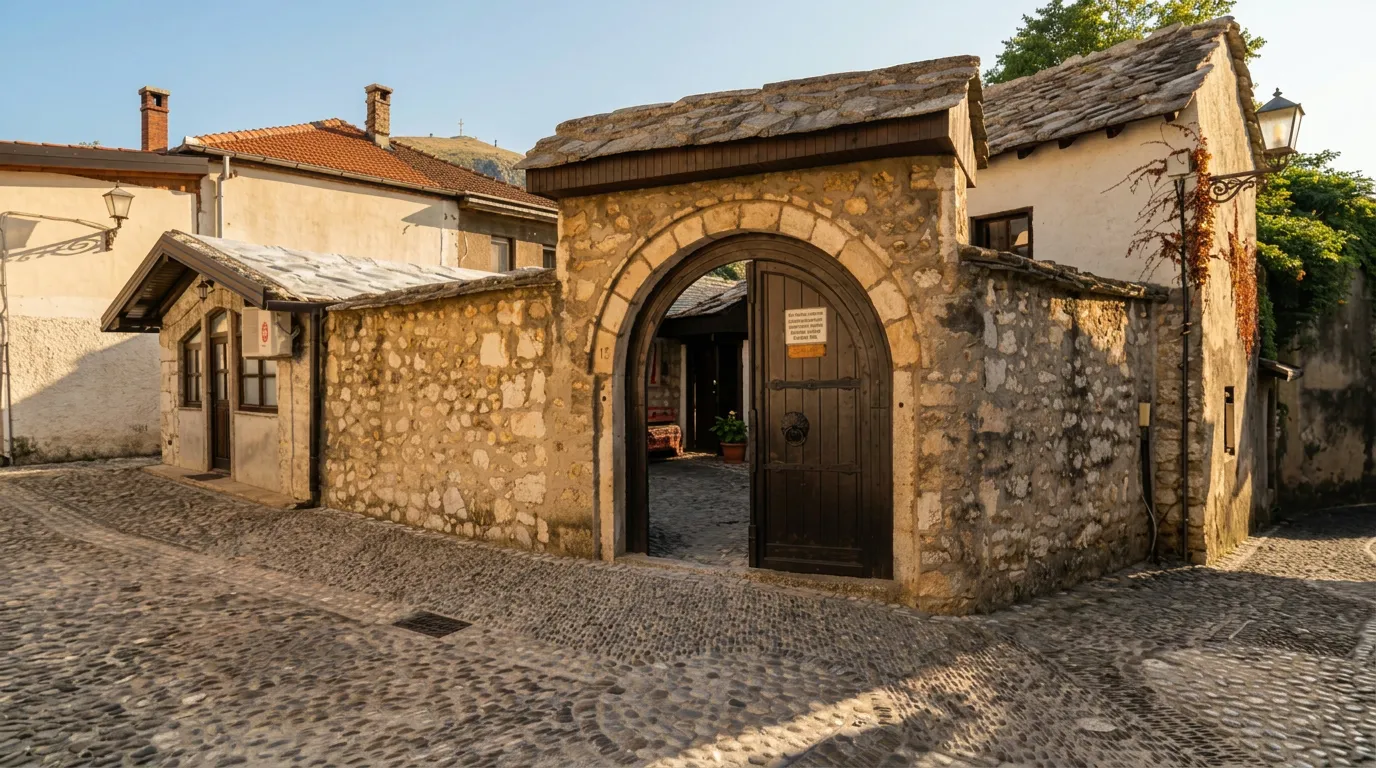
A visit to the Bišćevića House is not just a tour of a historic building — it is an immersion into the everyday life of a distinguished Mostar family from the Ottoman period. From the moment you enter through the massive gate with knockers, you feel the change: cobblestone paving made of pebbles from the Neretva, flower-decorated tables, and a fountain with ewers welcome the guest as if they had arrived by invitation.
In the musafirhana — a čardak hanging over the river — visitors can sit on carpets and divans, with coffee and himber, while the view drifts toward the Neretva. Each room tells its own story: the sleeping room is intimate and miniature, the divanhana opens to the sky even in winter, and the men's room with its dome is the peak of the house's architectural ambition.
Layout and details