




Petar Kočić Park



Description
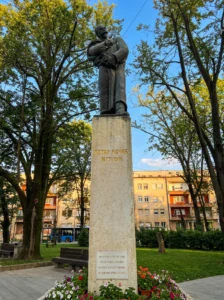
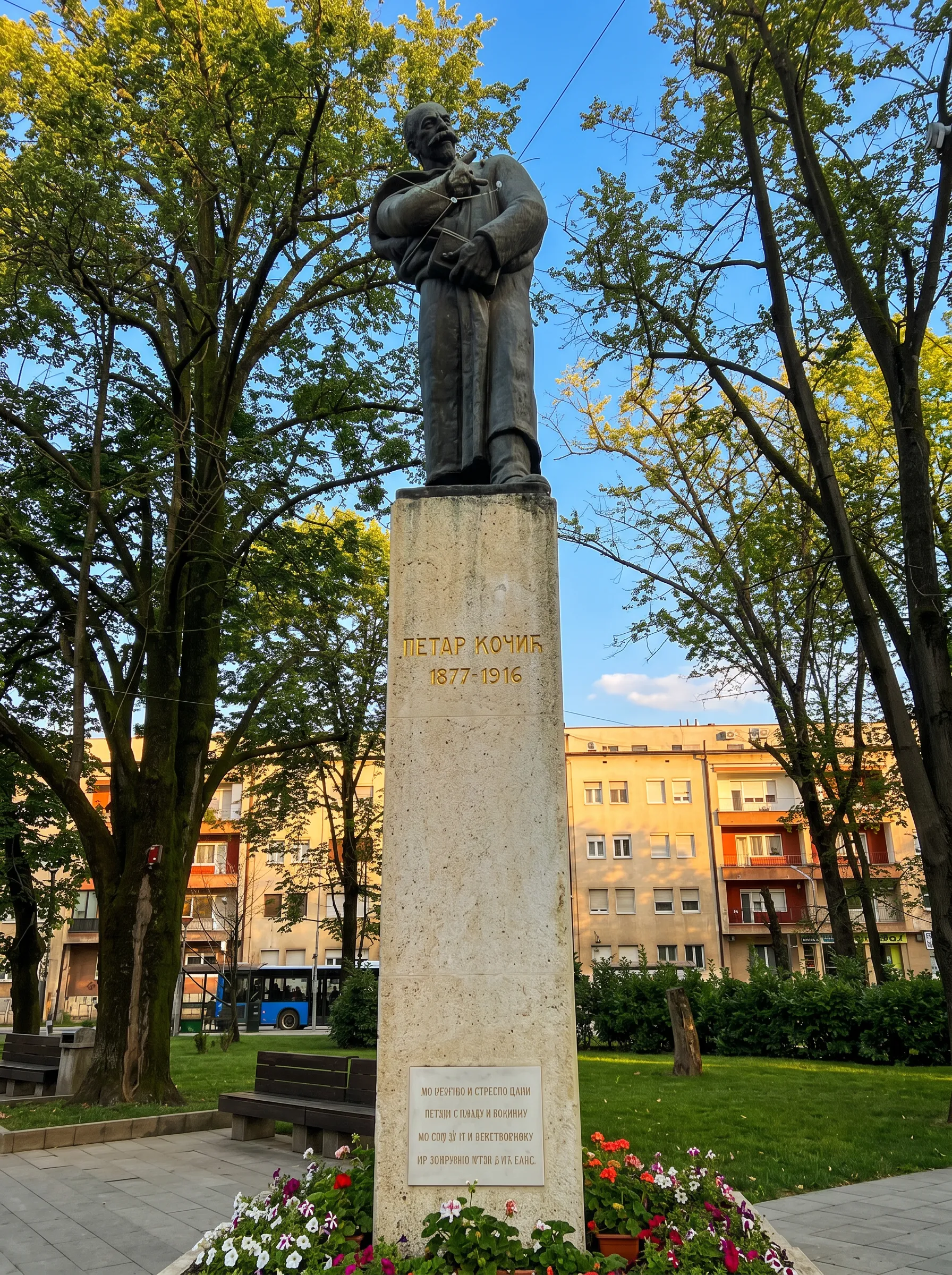
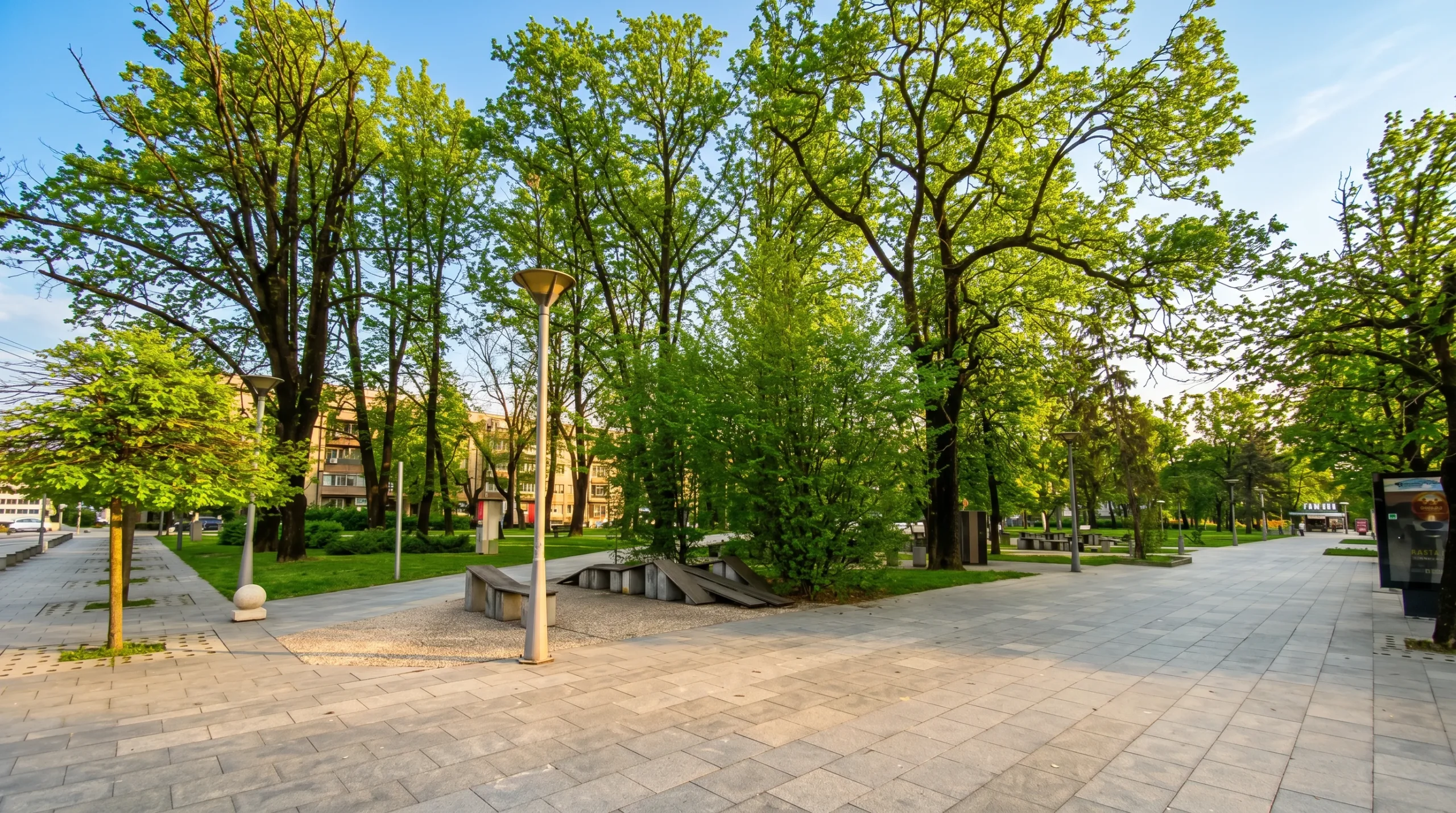
Petar Kočić Park is a green oasis in the very heart of Banja Luka, located opposite Krajina Square and one of the most beloved promenades of the city's residents. Founded in 1931 in the French style with fountains, pathways, and a music pavilion, the park is named after the great Serbian writer and national tribune Petar Kočić, whose bronze monument — the work of sculptors Augustinčić and Radauš — was erected as early as 1932.
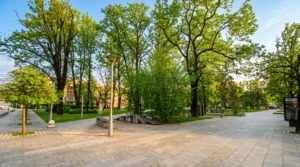
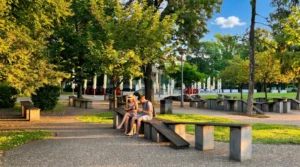
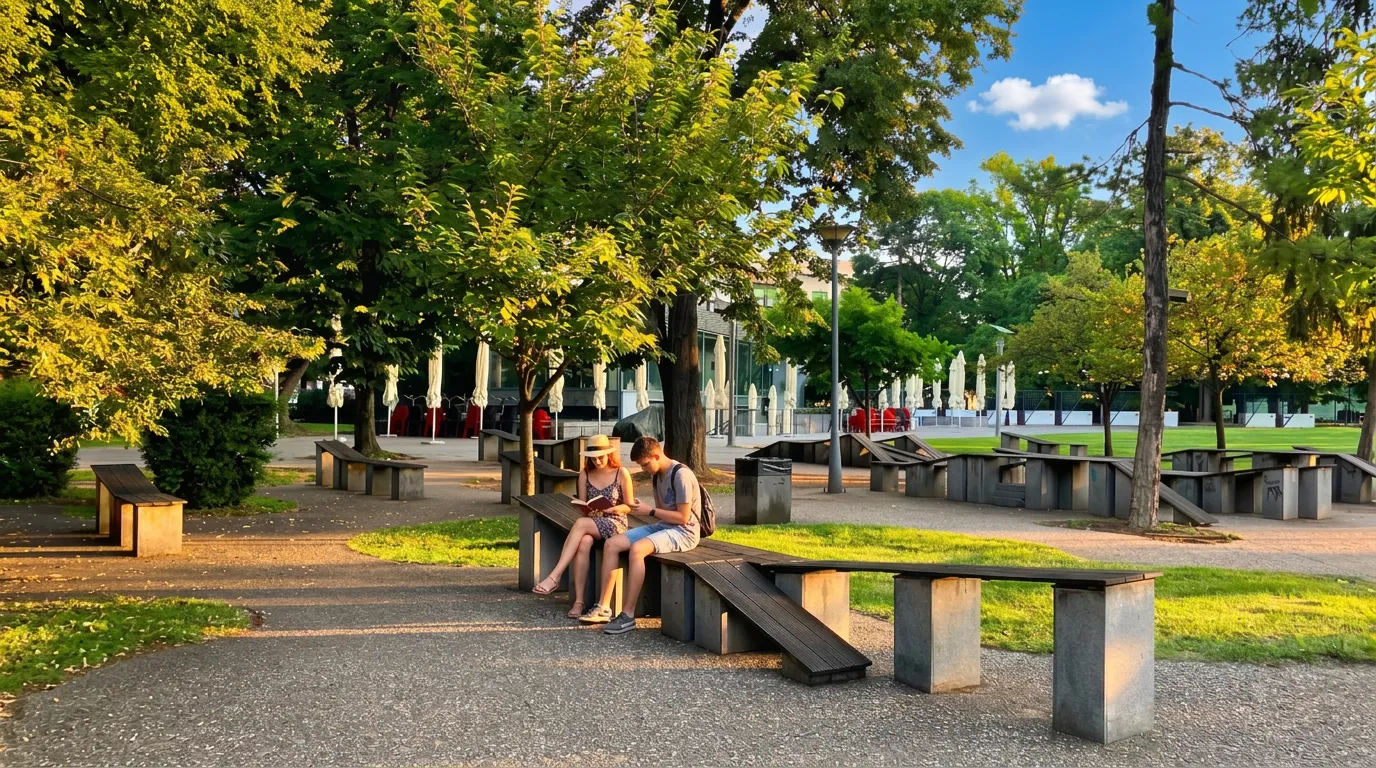
Following a complete renovation in 2006, the park received a modern appearance and was declared the most successful infrastructure project in BiH that year. More than 50 species of greenery and a variety of flowers blooming throughout the year make it the true green lungs of Banja Luka. The main path leads past Kočić's monument to the music pavilion, alongside water features and benches for resting. An ideal spot for a short break, a stroll, and enjoying the city center.
The park and its surroundings
Park Petar Kočić is one of the oldest and most beloved public green spaces in Banja Luka. Established in 1931 in a typical French park style, with regular paths, fountains, and a music pavilion, it immediately became a natural center of city life.
Located opposite Trg Krajine, very close to Banski dvor and other central landmarks, the park is also a geographic hub for walking through the city center. The 2006 renovation refreshed the park with modern amenities, but did not disturb its main function: a peaceful, green setting in the heart of dynamic city life.
Petar Kočić and his city
Petar Kočić (1877–1916) was one of the most important Bosnian writers and journalists of the early 20th century, known for his satirical works defending the rights of peasants and the people of Bosnia and Herzegovina under Austro-Hungarian rule. His best-known work – the play The Badger on Trial – is still performed on stage today.
The central bronze monument, erected in 1932 in the park that bears his name, recalls that struggle and legacy, while the benches and paths beneath the tall tree canopies are the perfect place to remember his spirit and contribution to this region during a walk.