



Rastuša Cave





Description
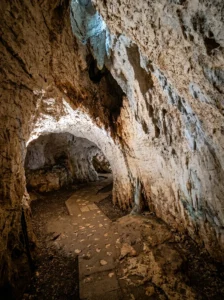
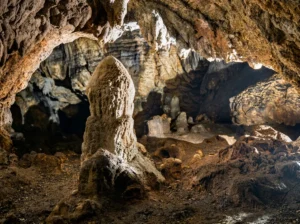
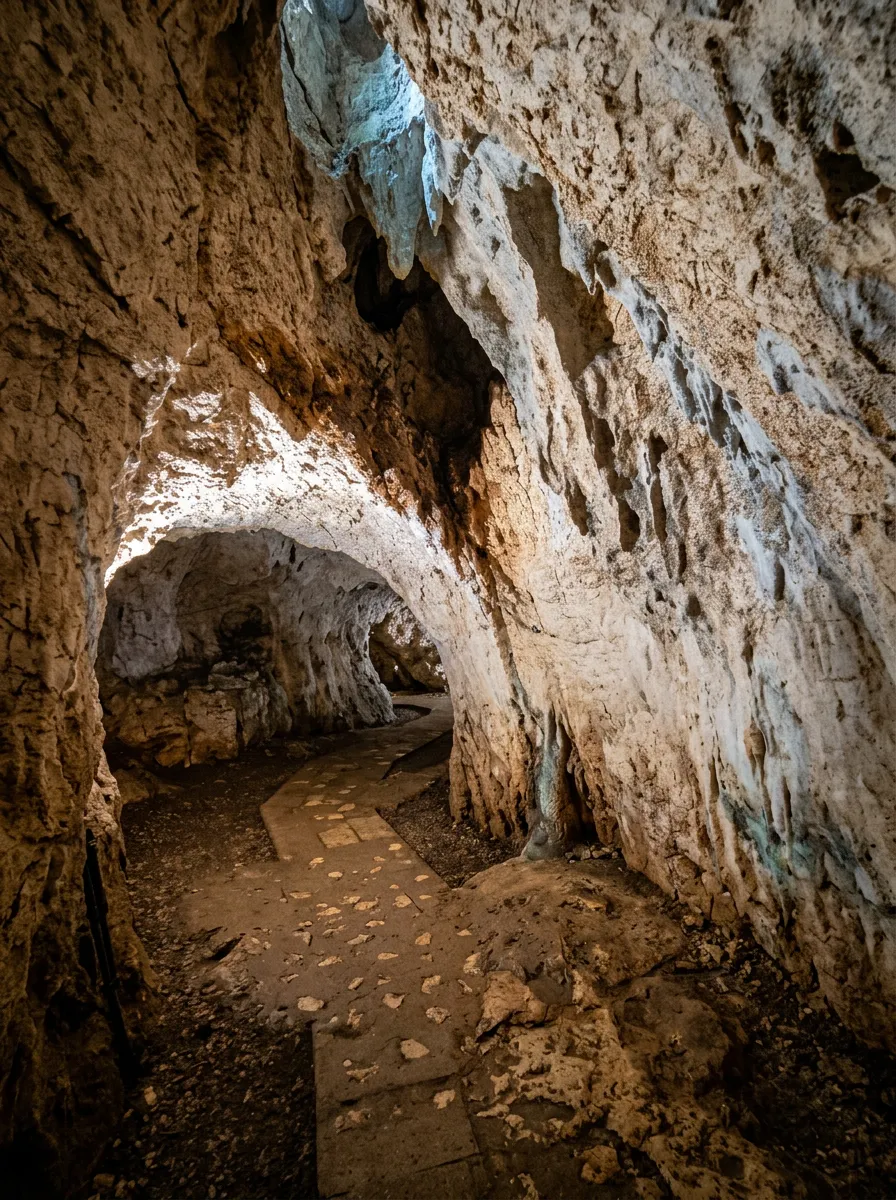
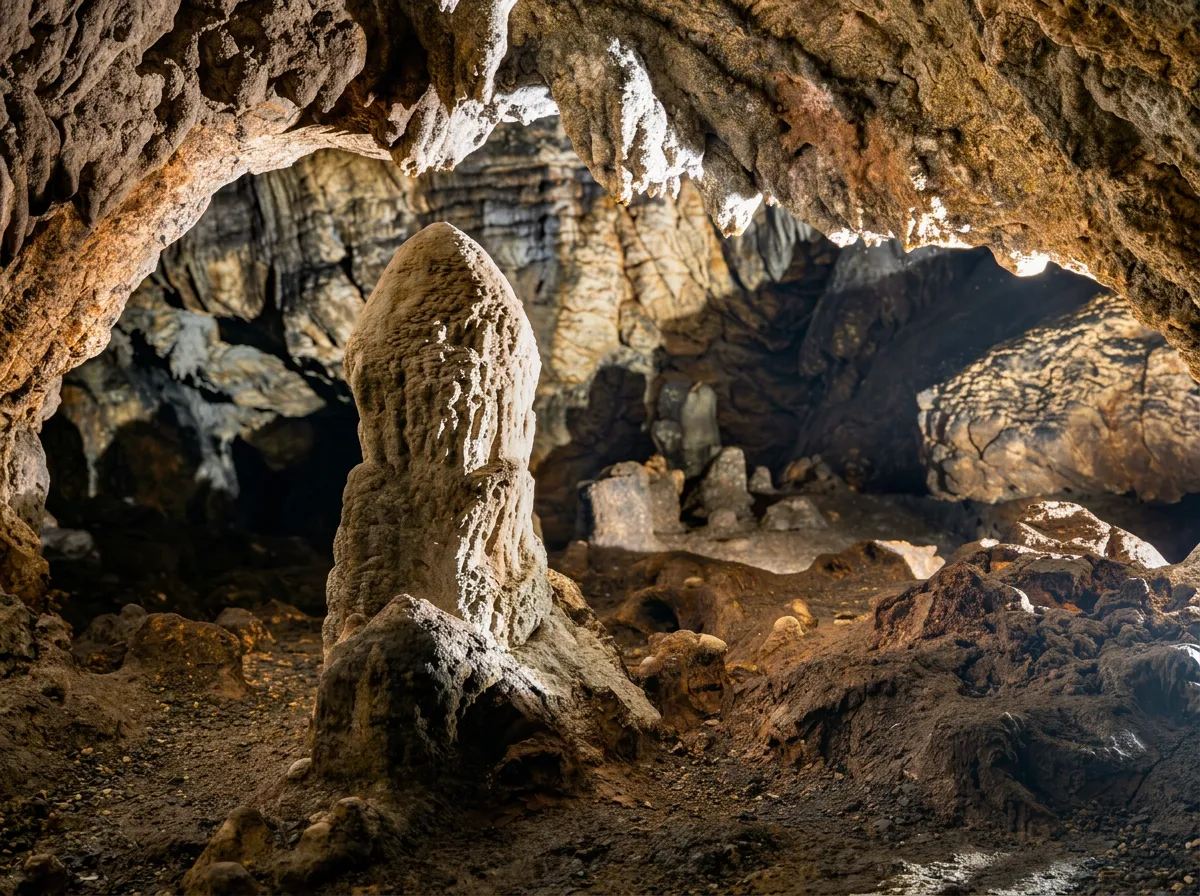
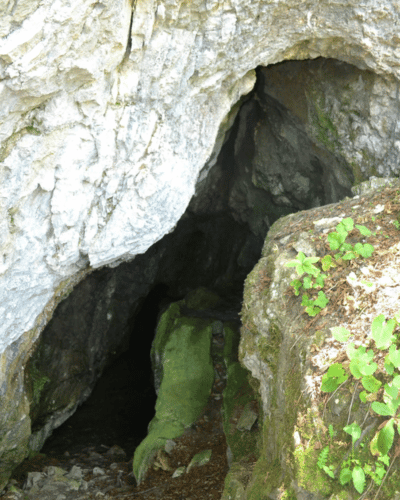
Rastuša Cave near Teslić is not just a natural phenomenon, but also a fascinating time capsule that takes us thousands of years back. This speleological gem, ranked among the three most significant in Europe, hides unique calcite formations known as "Tiger Skin," but its true value lies in the traces of a distant past.
Research has shown that these halls were once shared by Paleolithic hunters and extinct beasts. The remains of a cave bear and a Pleistocene wolf, along with primitive stone tools and traces of hearths, bear witness to the harsh life of prehistoric humans. That this area was an important center later on is confirmed by finds of Celtic pottery and the remains of an ancient iron smelter. Rastuša is the perfect blend of adventure and history, a destination that offers a rare glimpse into the life that pulsed here at the dawn of humanity. A must-see stop for every explorer!
Tiger stripes — a unique phenomenon
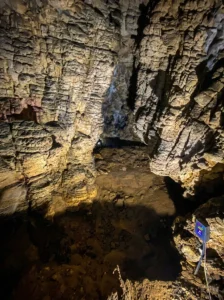
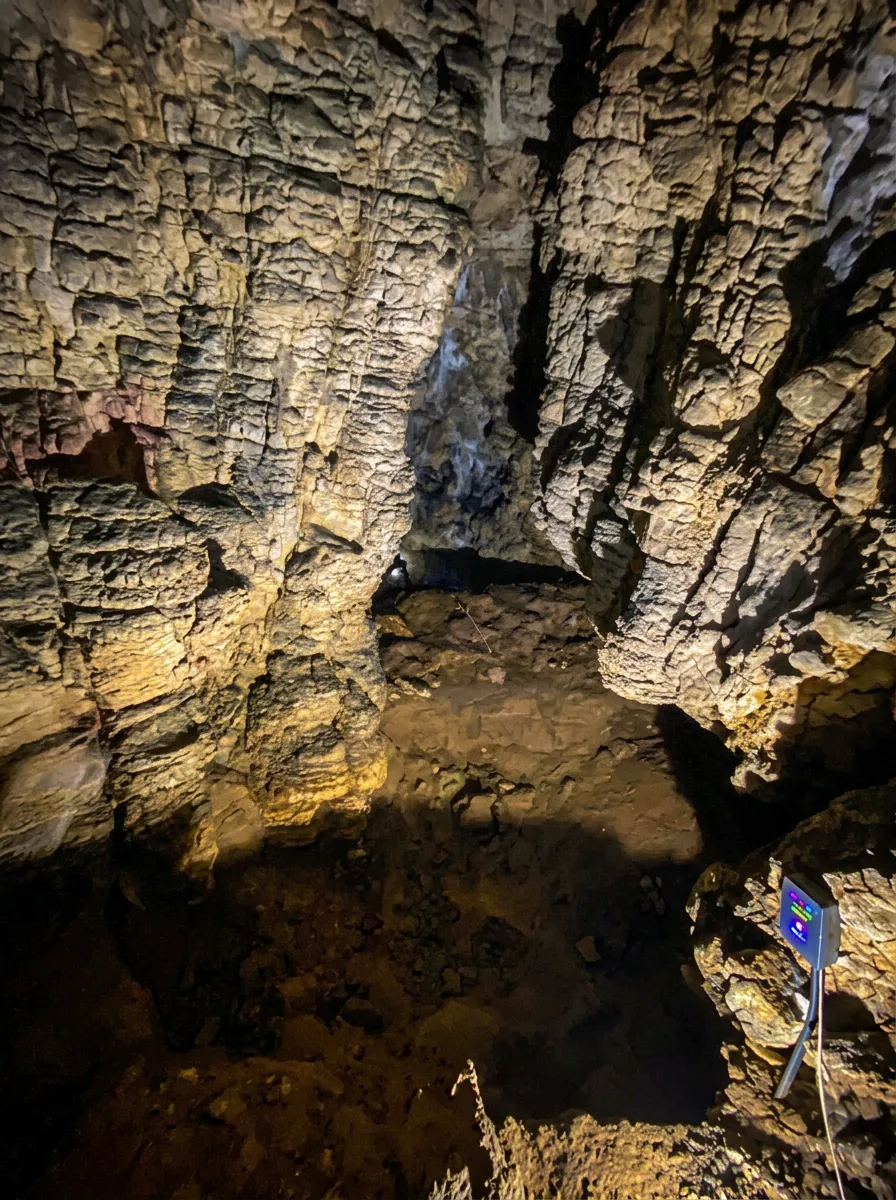
What sets Rastuša apart from all other caves in Bosnia and Herzegovina — and from almost all caves in Europe — are the unusual patterns on the rock walls, which speleologists call “tiger stripes” or “leopard skin”. These are mineral deposits that in some places cover large areas of the walls, forming a pattern unlike anything else in nature.
Such a phenomenon has been confirmed in only three caves on the entire continent: besides Rastuša, in one cave near Paris and one near Vicenza in Italy. Science is still investigating exactly which minerals create this phenomenon — making Rastuša not only attractive for tourists but also an open scientific question.
Cambridge in Rastuša
When the prestigious University of Cambridge sends a team on a three-year field study to a cave in Bosnia and Herzegovina, it is no coincidence. Experts in Rastuša found artifacts that exceed all previous estimates: remains of a rhinoceros — a completely unexpected find for this area — as well as beaver, cave lion, and elk, alongside the already known cave bears.
The discovered flint artifacts correspond to the Mousterian culture, associated with Neanderthals. Preston Tor Mirakl, senior lecturer at the Department of Archaeology at Cambridge, declared Rastuša an archaeological “Eldorado” — a place that could change our understanding of the Ice Age in this part of Europe.