

Trebišnjica River




Description
Trebišnjica is a Herzegovinian sinking river 96.5 kilometers long, and 187 kilometers in total including its underground channels. It rises near Bileća, at an altitude of 398 meters, and its final destination is the Adriatic Sea – through underground channels it reaches the Ombla River, which flows into the sea near Dubrovnik. The name comes from the Proto-Slavic term trjeba, meaning sacrifice or altar, reflecting its ancient cultural role.
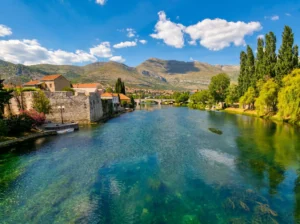
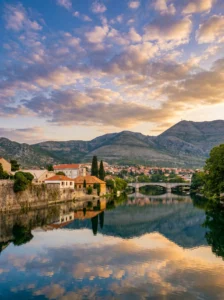
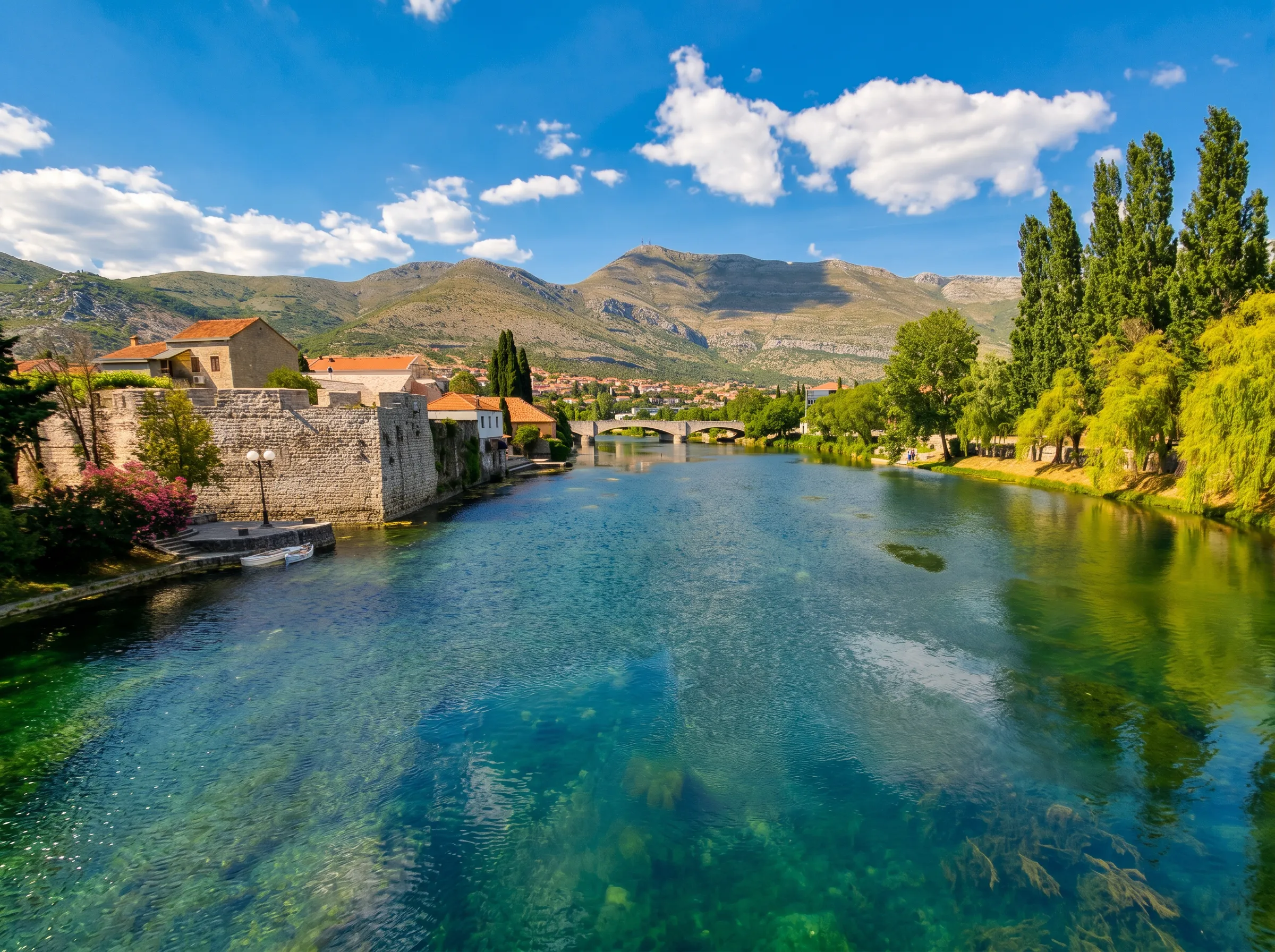
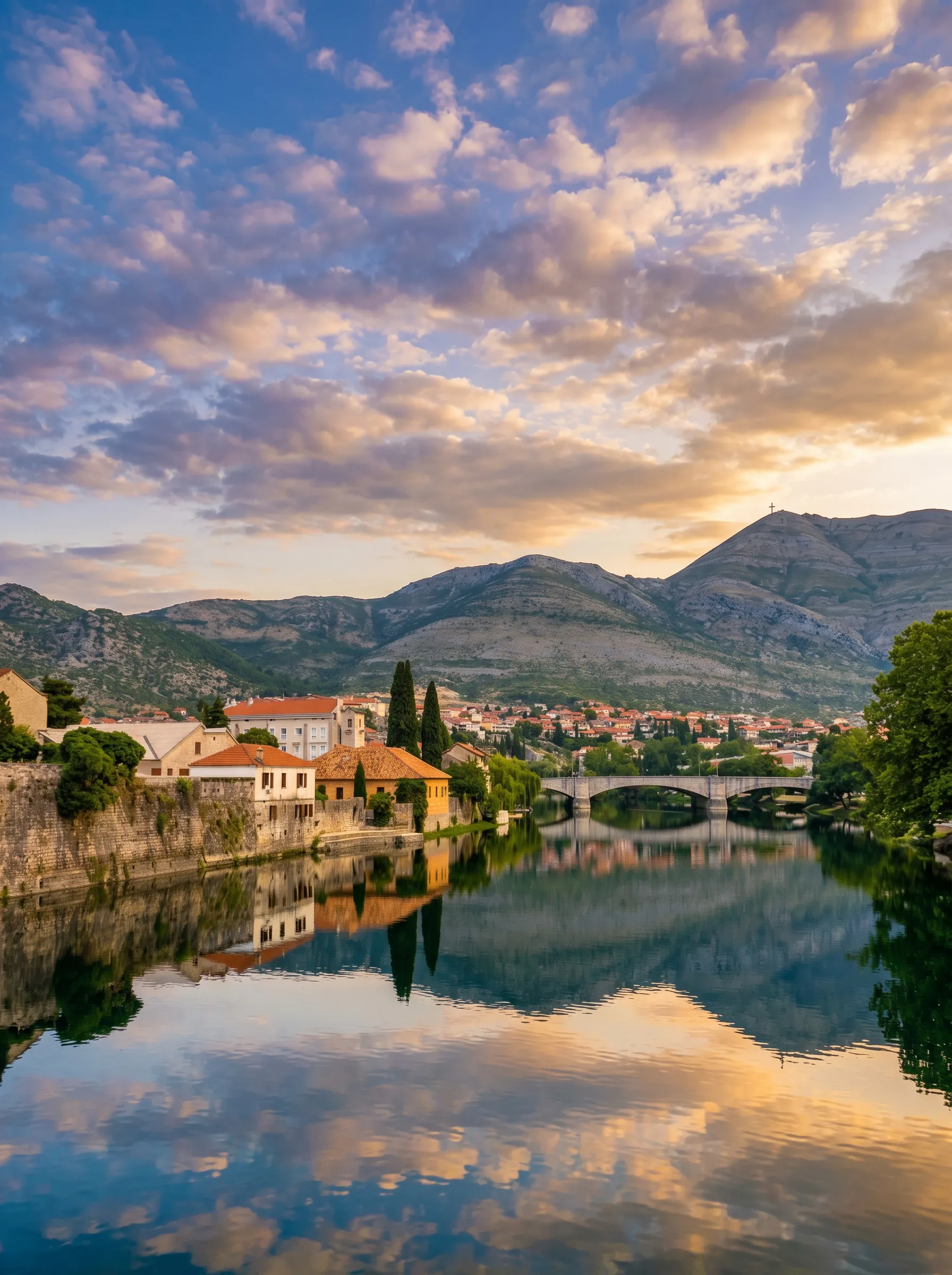
Traces of human presence more than 40,000 years old have been found along its banks. Before the construction of hydroelectric plants, it was considered the longest natural sinking river in Europe. It flows through Trebinje in a calm, clear stream, attracting anglers, divers, and day-trippers. It is home to the endemic gaovica and the human fish that inhabits its underground channels. The well-known excursion areas Studenac and Lastva are located along its banks, and the city is connected by Arslanagića Bridge, Ivo Andrić Bridge, and Kameni most.
The river that disappears and returns
Trebišnjica is one of the most fascinating rivers in the Balkans precisely because it lives a double life. On the surface it winds through Trebinje and the Herzegovinian karst, disappears into sinkholes, and then continues its journey to the sea through underground channels, reappearing as Ombla – one of the shortest rivers in the world, only 30 meters long – and flowing into the Adriatic Sea near Dubrovnik.
This underground-aboveground system has lasted for millennia, and Paleolithic remains from Crvena stijena have also been found along the banks of the Trebišnjica, testifying that people lived along this river more than 40,000 years ago.
The Trebišnjica near Trebinje