




Hadži-Alija Mosque




Description
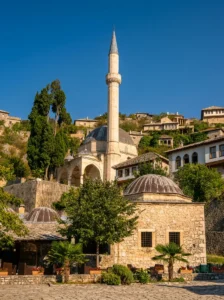
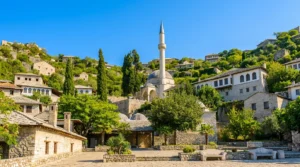
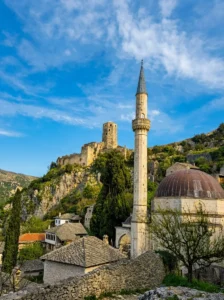
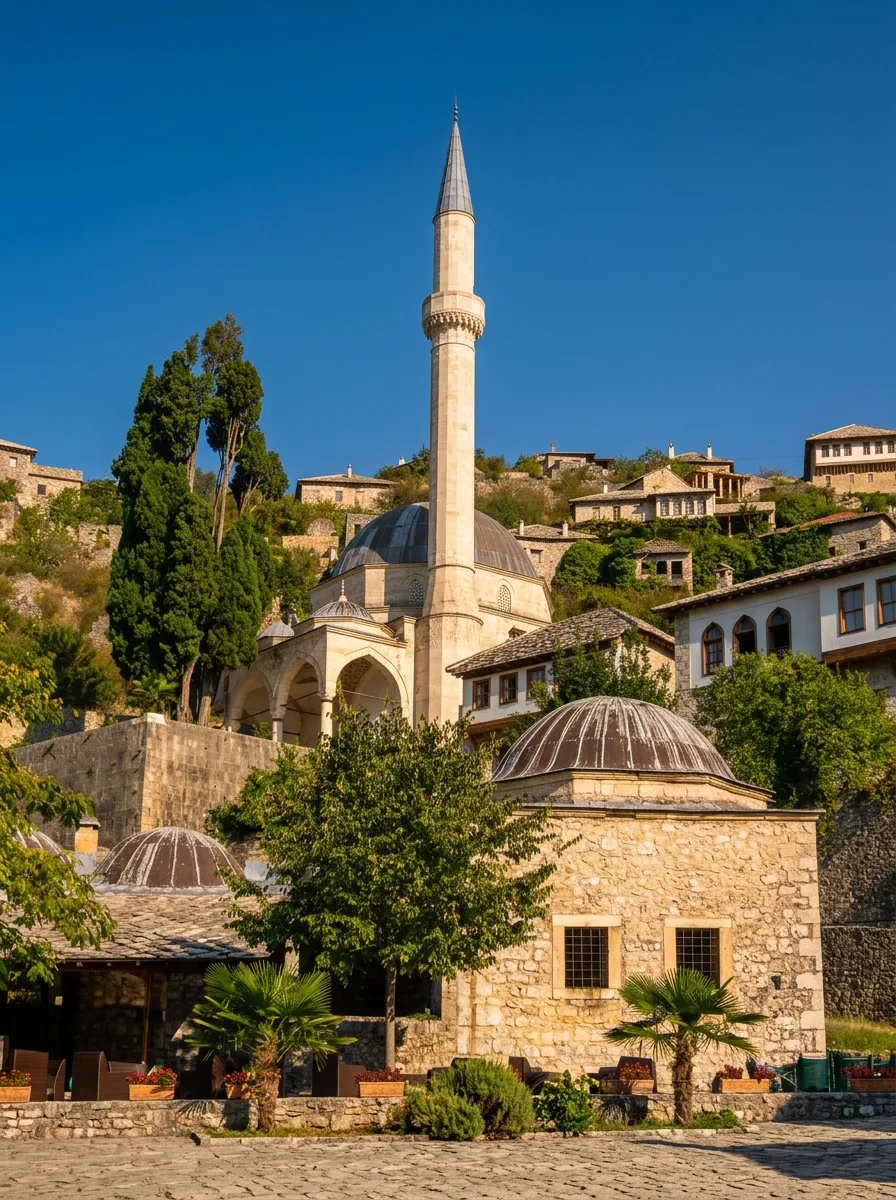
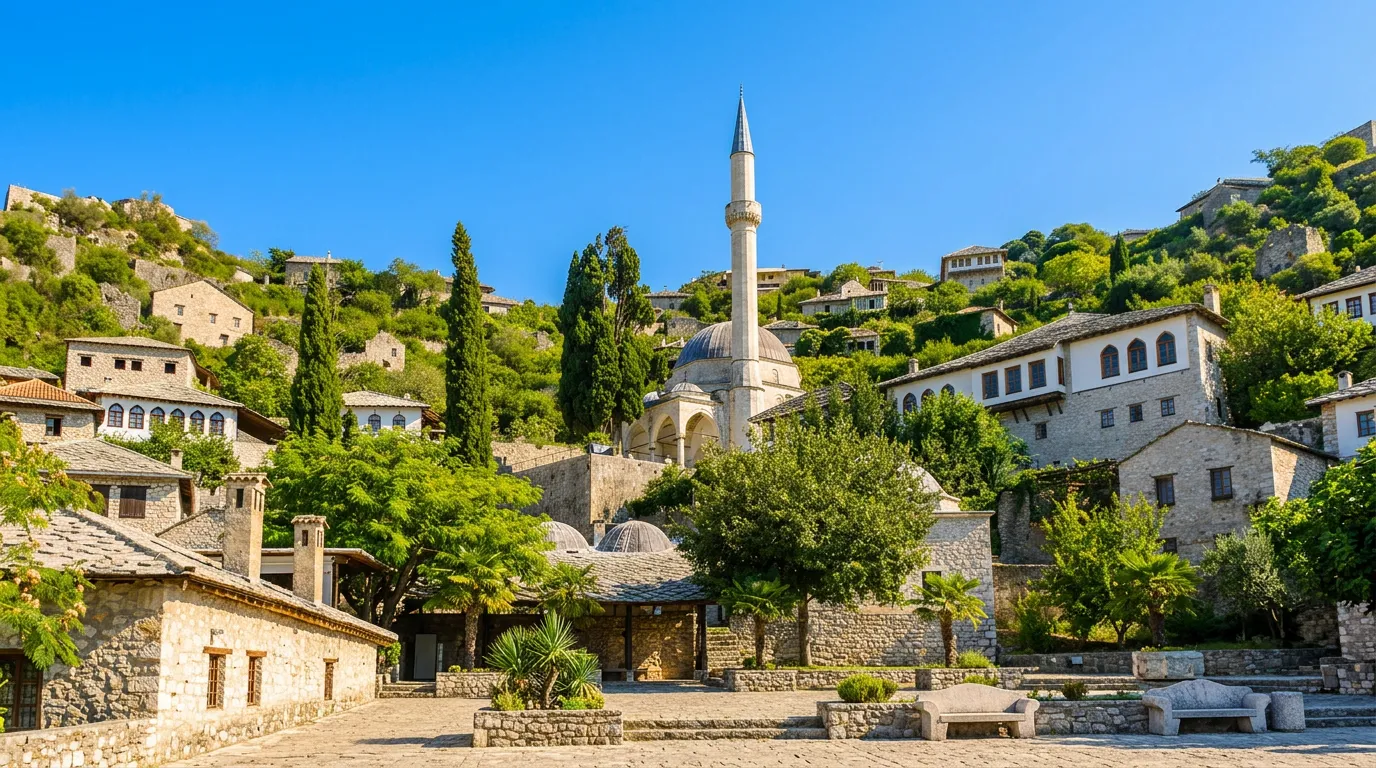
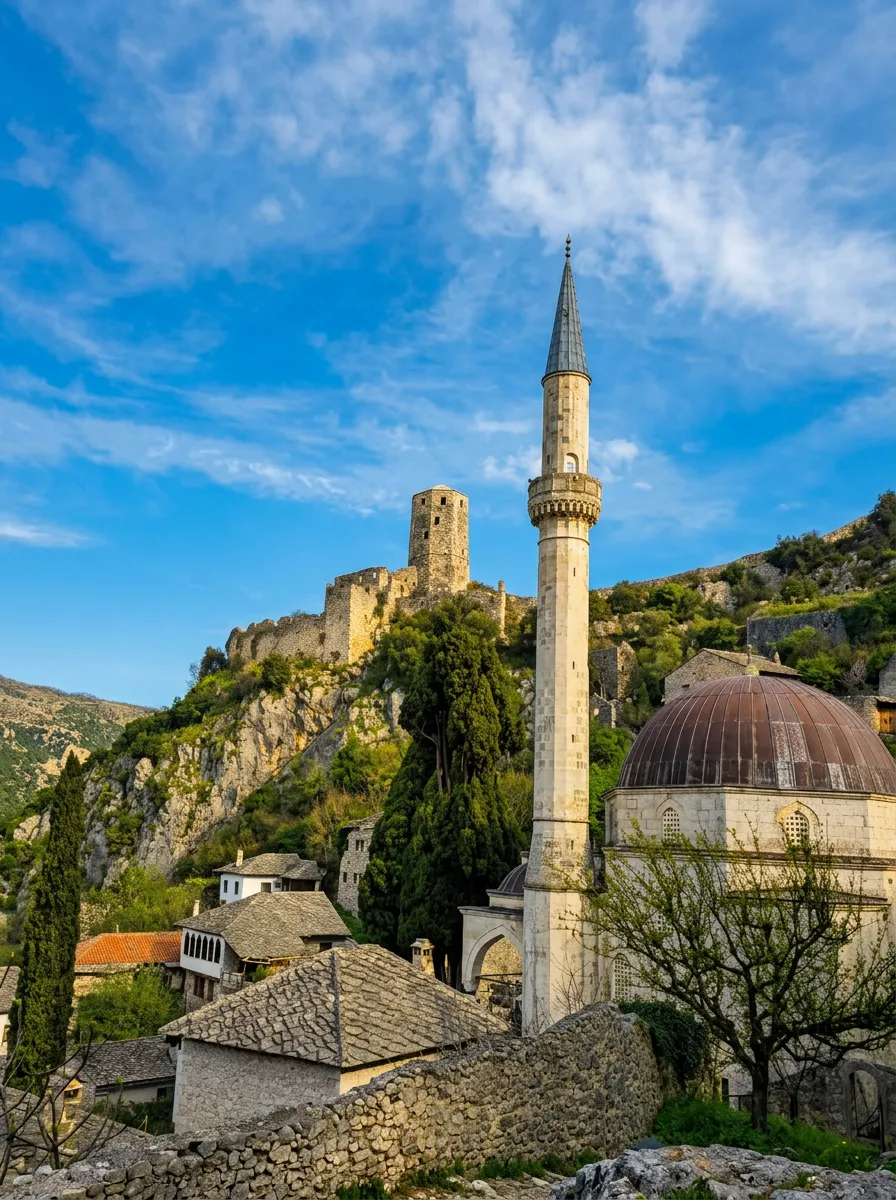
Hadži Alija Mosque, built in 1562/63, is one of the finest examples of the classical Ottoman style in Bosnia and Herzegovina. Its founder, Hadži Alija, son of Musa, built this structure, which with its monumentality and harmonious proportions fits perfectly into the steep cliff of Počitelj. Although popularly known as the Šišman Ibrahim Pasha Mosque, after the founder’s grandson who significantly restored it in the 17th century, it has remained a symbol of spirituality and architectural precision. Its minaret, about 32 meters high and richly decorated with stone stalactites, dominated tourist brochure panoramas for decades, standing in inseparable harmony with the ancient tower and the slender cypress guarding its entrance.
The interior of the mosque is designed to give worshippers a sense of connection with the universe. The cubic prayer space, covered by a magnificent dome symbolizing the sky, creates an acoustic and airy atmosphere ideal for meditation. The walls are built of regularly cut stone blocks 115 cm thick, while the domes, according to assumptions, were built of light tufa and covered with lead.
In front of the entrance there is a porch supported by four monumental stone columns with capitals decorated with stalactites, above which rise three smaller domes. Unlike many other mosques, Hadži Alija’s does not have a classic mezaristan (cemetery) in its courtyard; instead, stone candlesticks with inscriptions testifying to the piety of the locals were preserved there.