






Basic Information
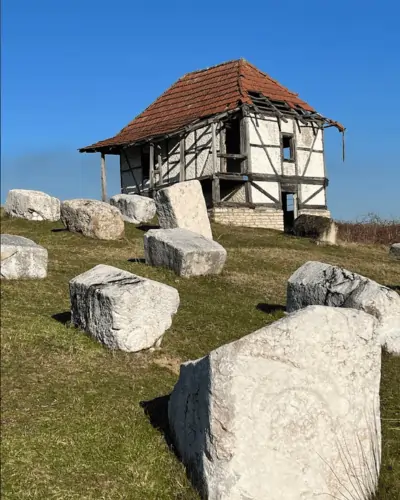
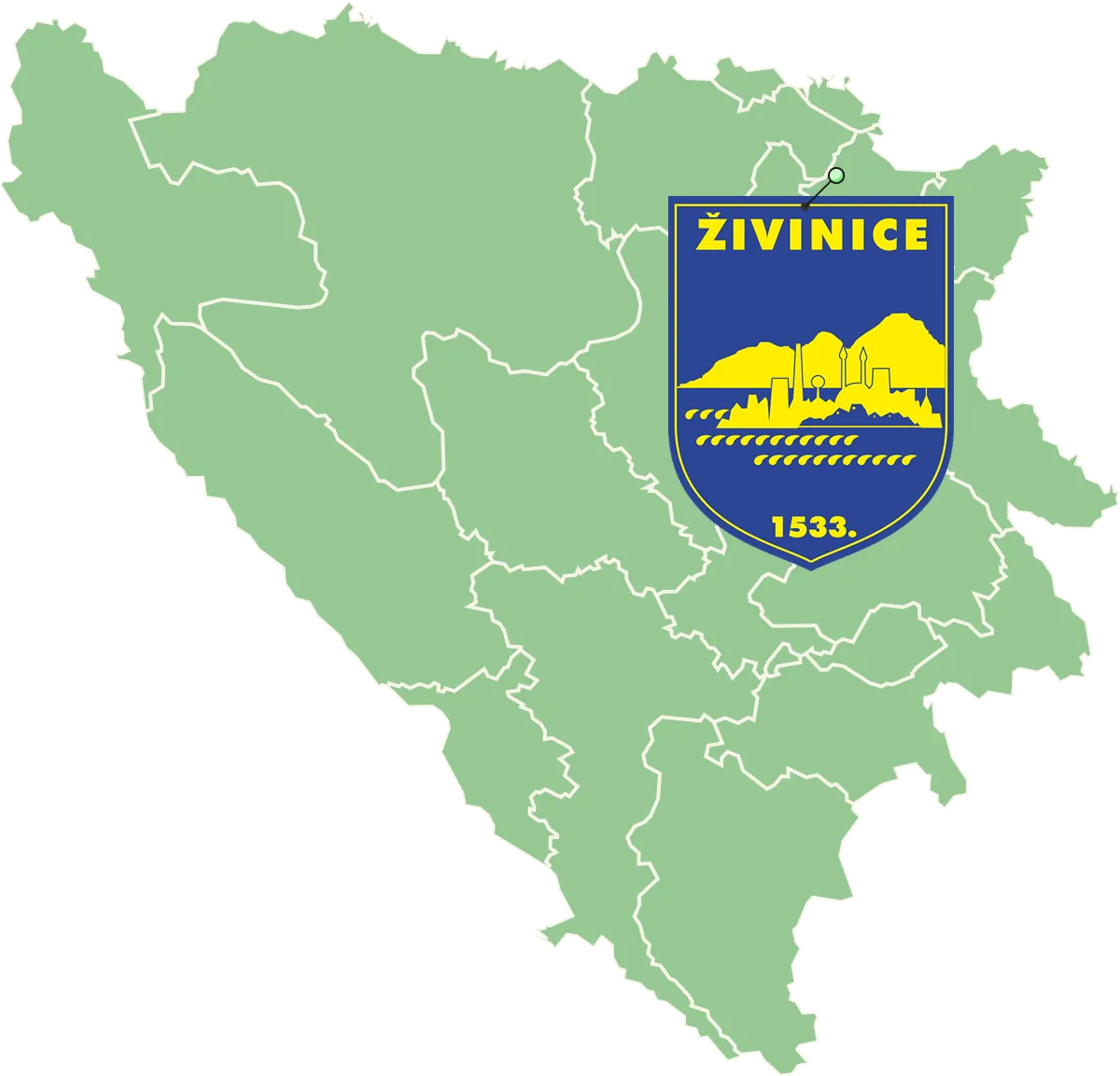
The Živinice area bears witness to the continuity of life since prehistoric times, while in the Middle Ages these lands were important parts of the Gostilj and Soli regions. Numerous hillforts and more than 250 preserved stećci speak quietly of that time today, among which the unique stećak "Vrpolje" in Đurđevik stands out in particular—the only one with written text in this area. Although the urban settlement under its present name is mentioned only in Ottoman documents from 1764, Živinice experienced its true boom in the 20th century.
A key driver of development was the start of coal mining at the Đurđevik Mine in 1936, which permanently changed the town's demographic and economic picture. Today, Živinice are known not only for mining, but also for a strong small and medium-sized business sector, the wood industry, and a favorable geographic position in the Spreča valley. Surrounded by Konjuh Mountain and numerous archaeological sites such as the hillfort in Nevrenča, Živinice offer visitors a blend of historical exploration and modern urban atmosphere.
Guide for Tourists Visiting Bosnia and Herzegovina

Spring
Explore medieval history by visiting the stećak necropolis in Đurđevik and look for the unique stećak with an inscription while the surrounding nature is in bloom.

Summer
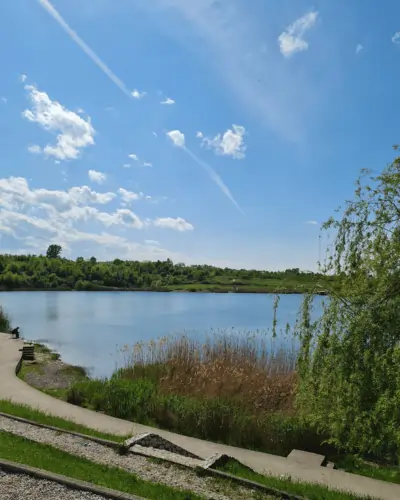
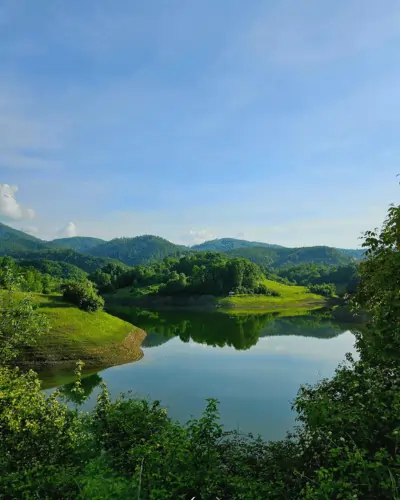
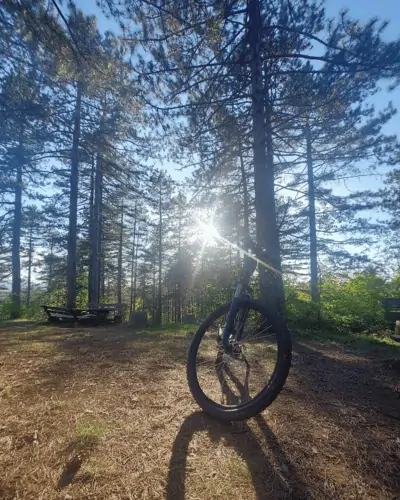
Look for refreshment in the shade of Konjuh Mountain or visit Lake Bašigovci, which during the hot summer days becomes a favorite bathing and picnic spot for people from the entire region.

Autumn
Take advantage of the pleasant temperatures for a climb to the remains of the old hillfort in Nevrenča or a walk through the suburban settlements as the forests at the foot of Konjuh turn fiery autumn shades.

Winter
Enjoy the warm atmosphere of the town and the festive mood, and lovers of snowy pleasures can head to the nearby mountain areas for a true winter getaway.