


Banski Dvor





Description
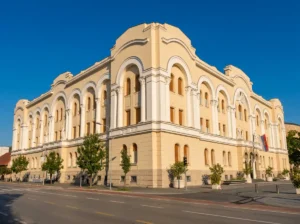
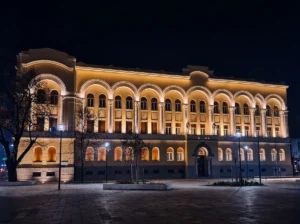
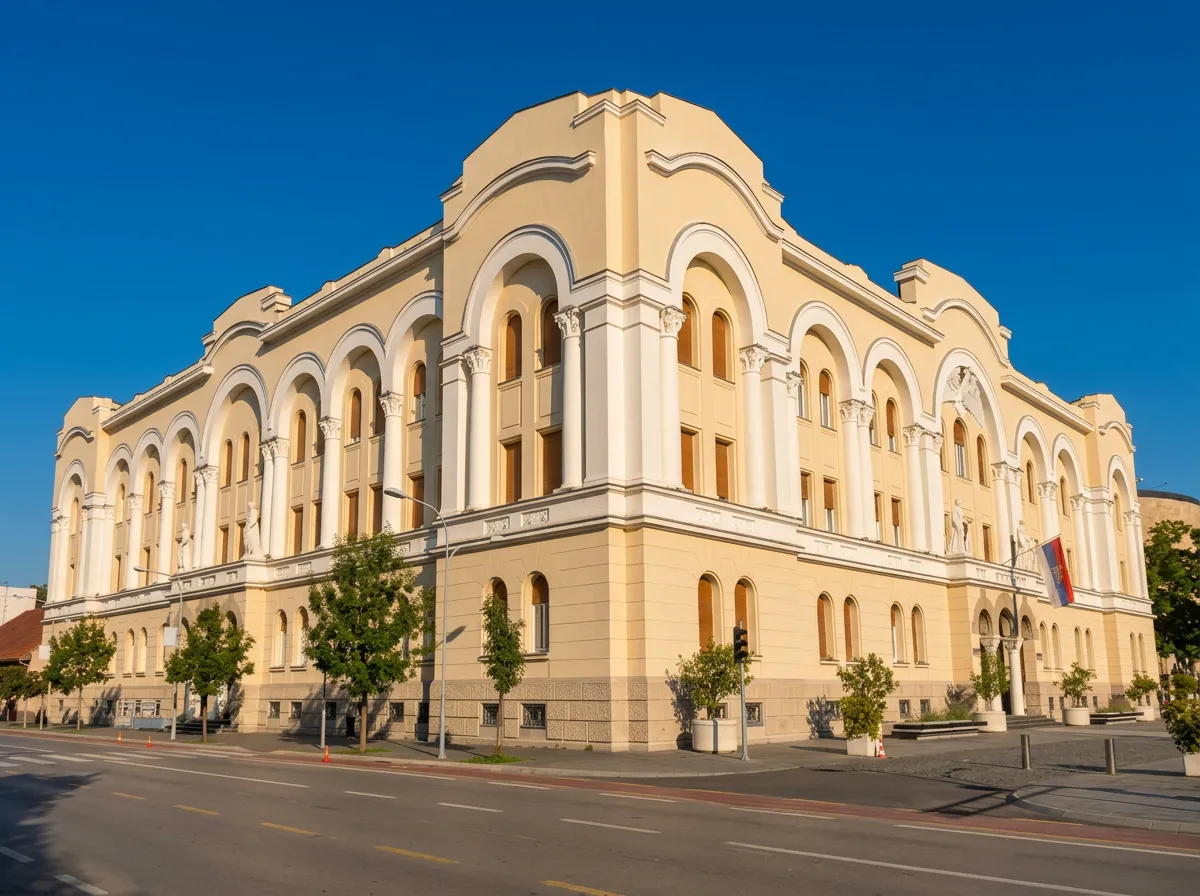
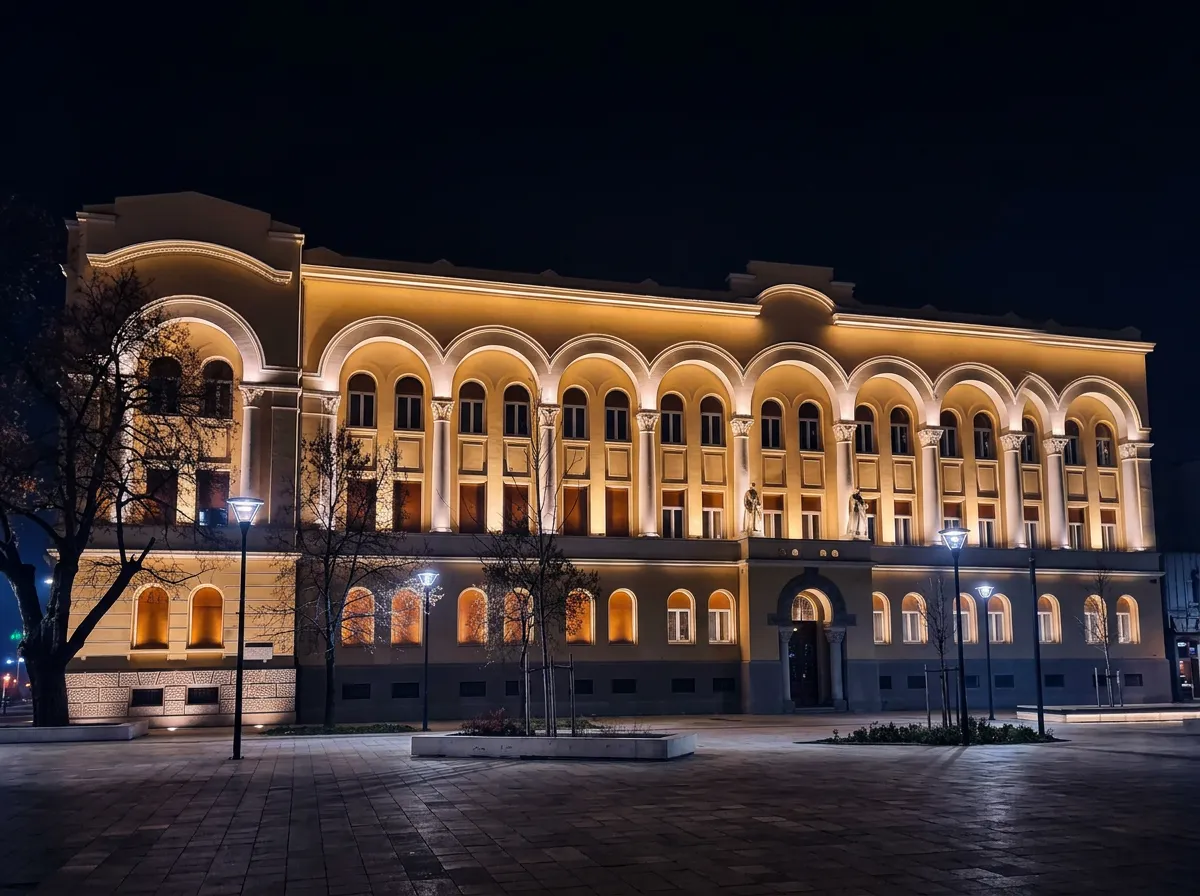
Banski dvor is one of the most representative and beautiful buildings in Banja Luka, located in the very center of the city opposite the Banska uprava building. It was built in 1931–1932 as the residential and administrative seat of the governor of the Vrbas Banovina, Svetislav Tisa Milosavljević.
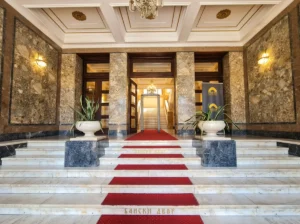
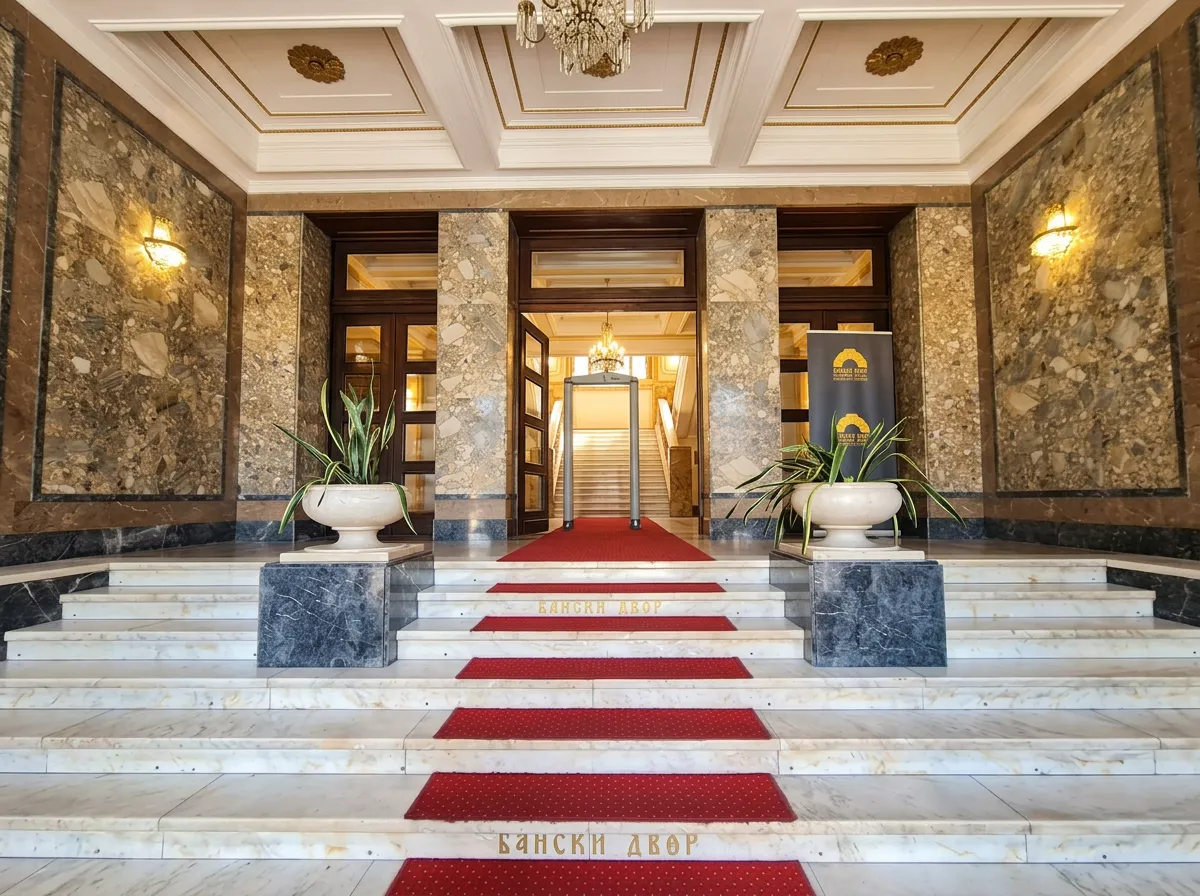
The building was designed in the style of eclectic academicism with Renaissance, classicist, and folkloric elements of the Balkan Peninsula, and the interiors were made of American walnut, Slavonian oak, and polished artificial stone. The Ceremonial Hall, Council Hall, and Blue Salon have preserved their authentic appearance. Today, Banski dvor functions as a cultural center that offers cultural programs every day: more than 30 classical music concerts a year, exhibitions, theater performances, literary evenings, and panel discussions. It has been declared a national monument of Bosnia and Herzegovina.
Architecture and interiors
Banski dvor is not only a historic building – it is also an architectural document of its time. The young architect Branko Jovanović, who oversaw the construction, was tasked with coordinating the work of master workshops, artistic carpenters, sculptors, and decorative craftsmen, insisting on "top-level craftsmanship, elegance of form and composition." The result was an interior that is still impressive today: American walnut in the Council Hall and the Blue Salon, Slavonian oak for the wall paneling, and polished ornamental glass on the partitions and doors. The central three-flight courtyard staircase and monumental halls form the basis of the spatial composition, while the Concert Hall stands out for its exceptional acoustics, fascinating both audiences and performers.
From residence to cultural center
Throughout history, Banski dvor has changed its purpose, but it has never lost its dignity. It was used as the residence of the governor of the Vrbas Banovina until 1941, then as a military and political headquarters, and from 1955 the city authorities handed it over to the House of Culture. Since 1998, it has operated as the Banski dvor Cultural Center, offering daily content: more than 30 concerts a year, exhibitions by local and guest artists, monodrama evenings, literary promotions, and panel discussions. Events are held two to three times a week, and spaces such as the Council Hall and the Ceremonial Salon have preserved their authentic appearance from the time of construction.