



Vjenčac Fortress



Description
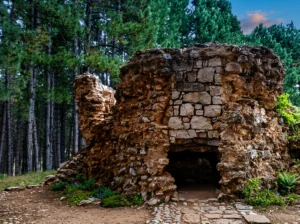
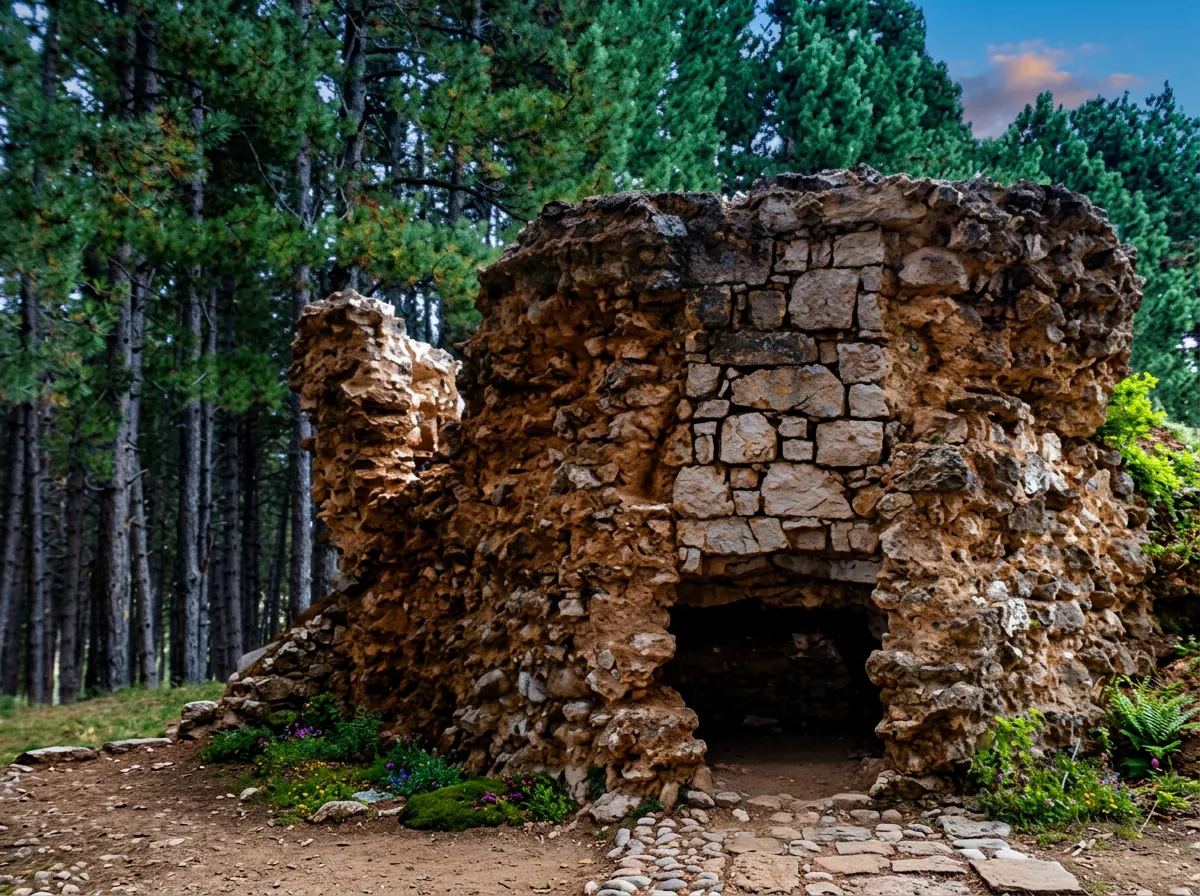
The medieval fortress of Vjenčac is a silent witness to the oldest chapters of Nevesinje's history — located southeast of today's town settlement, this fortress was built as the main seat of the Nevesinje župans, and later the duke's seat, which is why people still remember it today under the name Knežača or Grad. Of the material remains, massive and thick walls of the military fortress have survived to this day — so robust that they have withstood all hardships and centuries of decay, as a silent testament to the building skill of their creators.
Alongside Vjenčac, historical sources also mention Biograd — an important trading place that was recorded in 1281 together with Podgrađe as an open market active already in the time of Duke Stjepan and his sons, and in 1454 it is mentioned as Kastel fortress in his possession. A Roman settlement most likely stood at the same location on the famous Roman road that connected the coast near Metković with Sarajevo and Foča — which makes Vjenčac and its surroundings a place where history has layered itself from Roman times to the Ottoman conquest. With the arrival of the Turks, the fortress lost its strategic role, but not its value for anyone who knows how to listen to the stones.
The fortress and the Kosačas
Vjenčac was not chosen by chance as the place where one of the most important Bosnian feudal charters was issued. On October 10, 1435, right beneath the walls of this fortress, Stjepan Vukčić Kosača, then already Grand Duke of Bosnia, confirmed the privileges of the people of Dubrovnik.
The place where the charter was issued was no coincidence — Vjenčac was the military and administrative center of the Nevesinje district and one of the most important strongholds of the Kosača family in Herzegovina. In the following decades, it would be mentioned in three more Kosača charters (1444, 1448, 1454), which speaks to the fortress’s continuous strategic and administrative importance until the Ottoman conquest.
The unexplored nature of the ruins
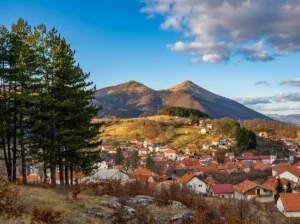
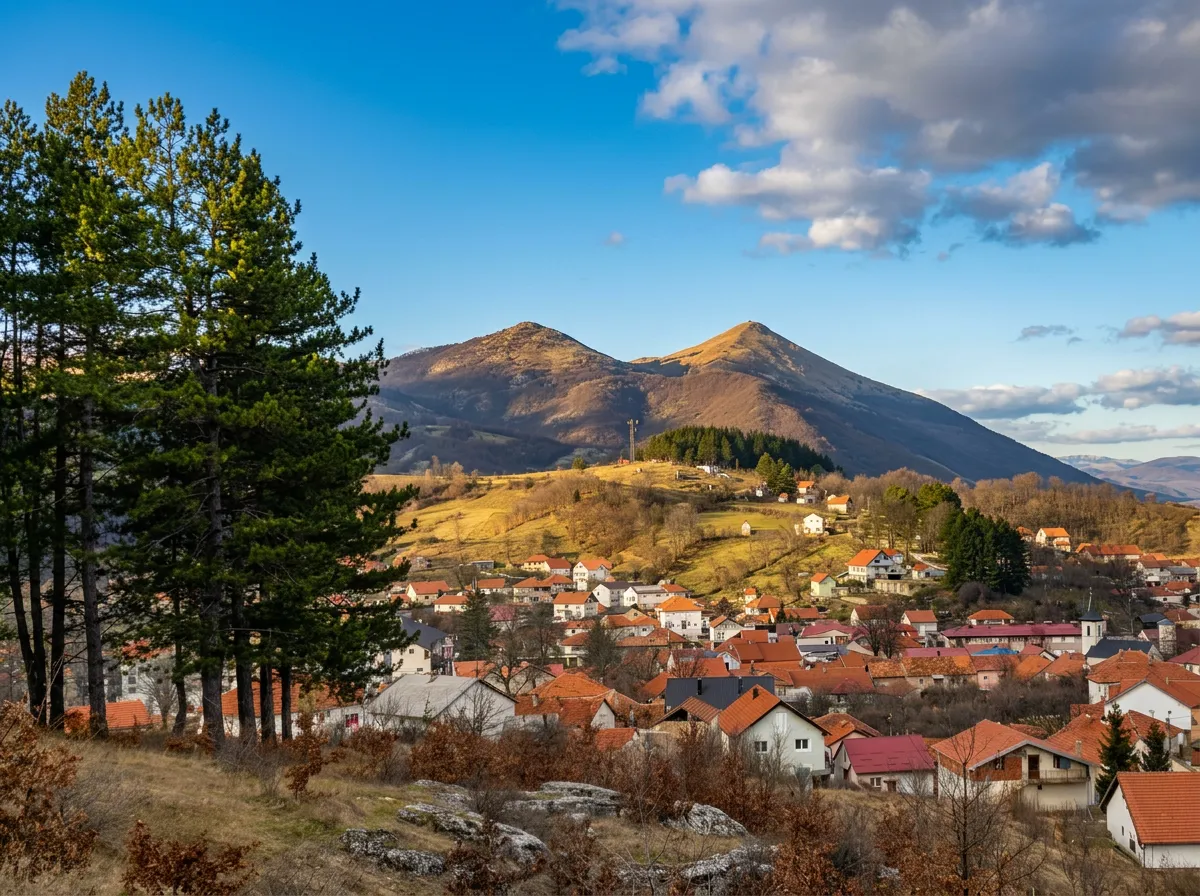
Today, Vjenčac Fortress is a paradox: historically significant, yet almost unknown even in professional circles. The remains of the fort are visible above Nevesinje, on a hill locals simply call Grad — as if the whole hill carries the memory of what once stood there.
Archaeological research has not been carried out to this day. The local tourist organization lists it as a historical point, but without infrastructure or interpretation. That is exactly what attracts some visitors — the unexplored nature and the silence of ruins that speak more than organized tourist sites.