
Jajce Fortress




Description
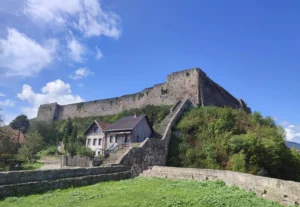
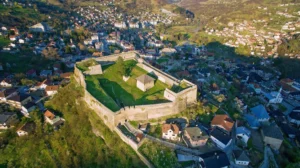
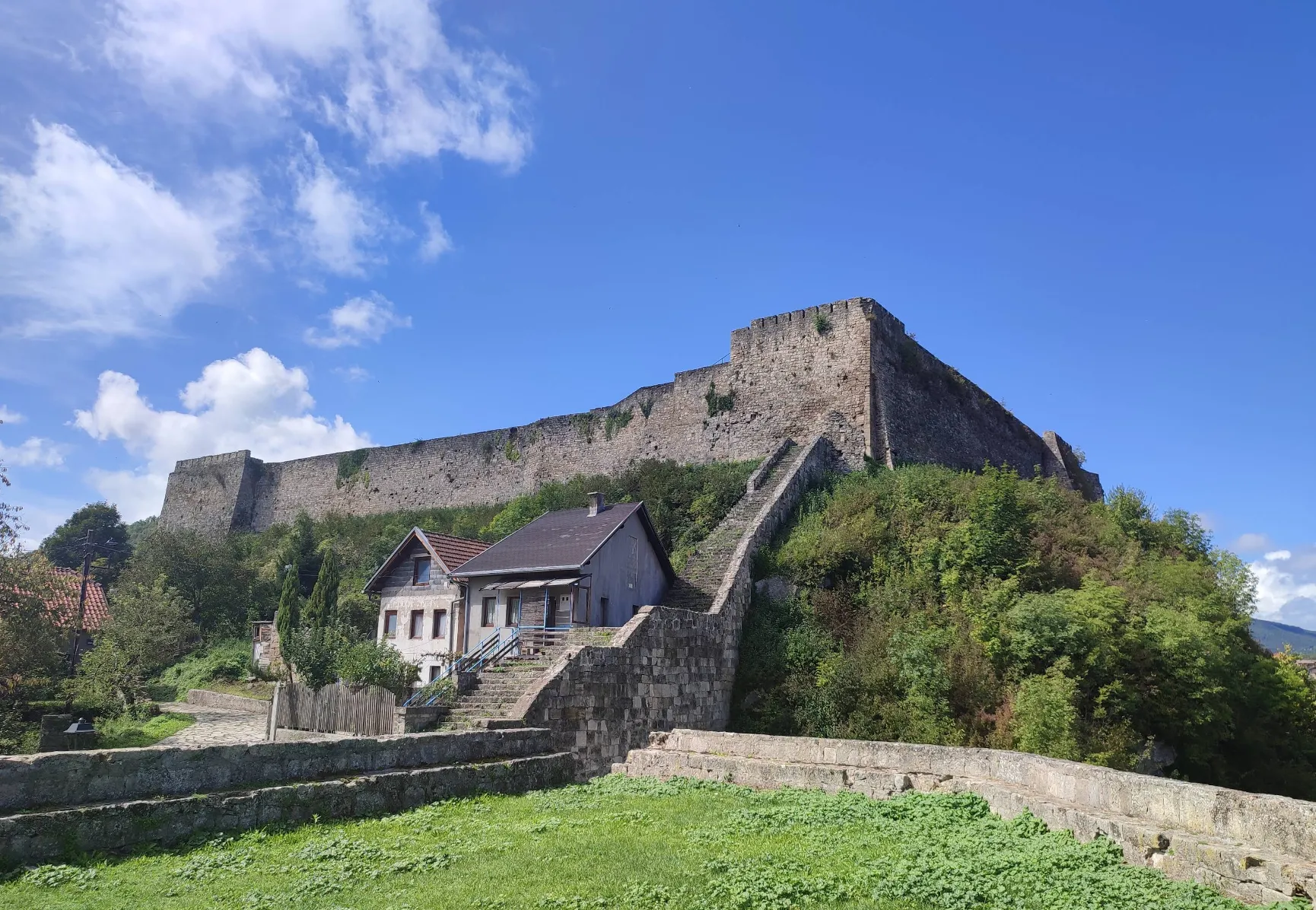
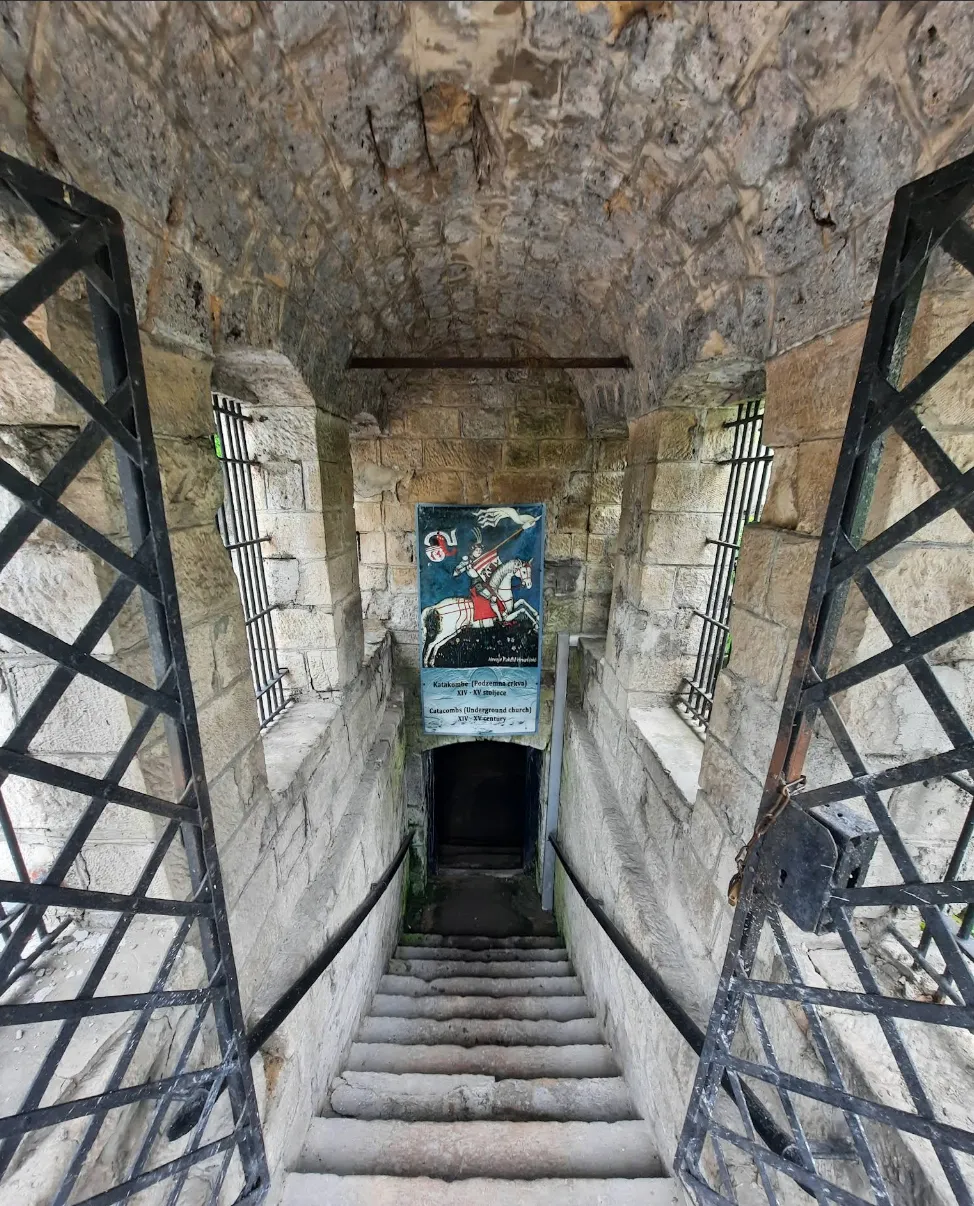
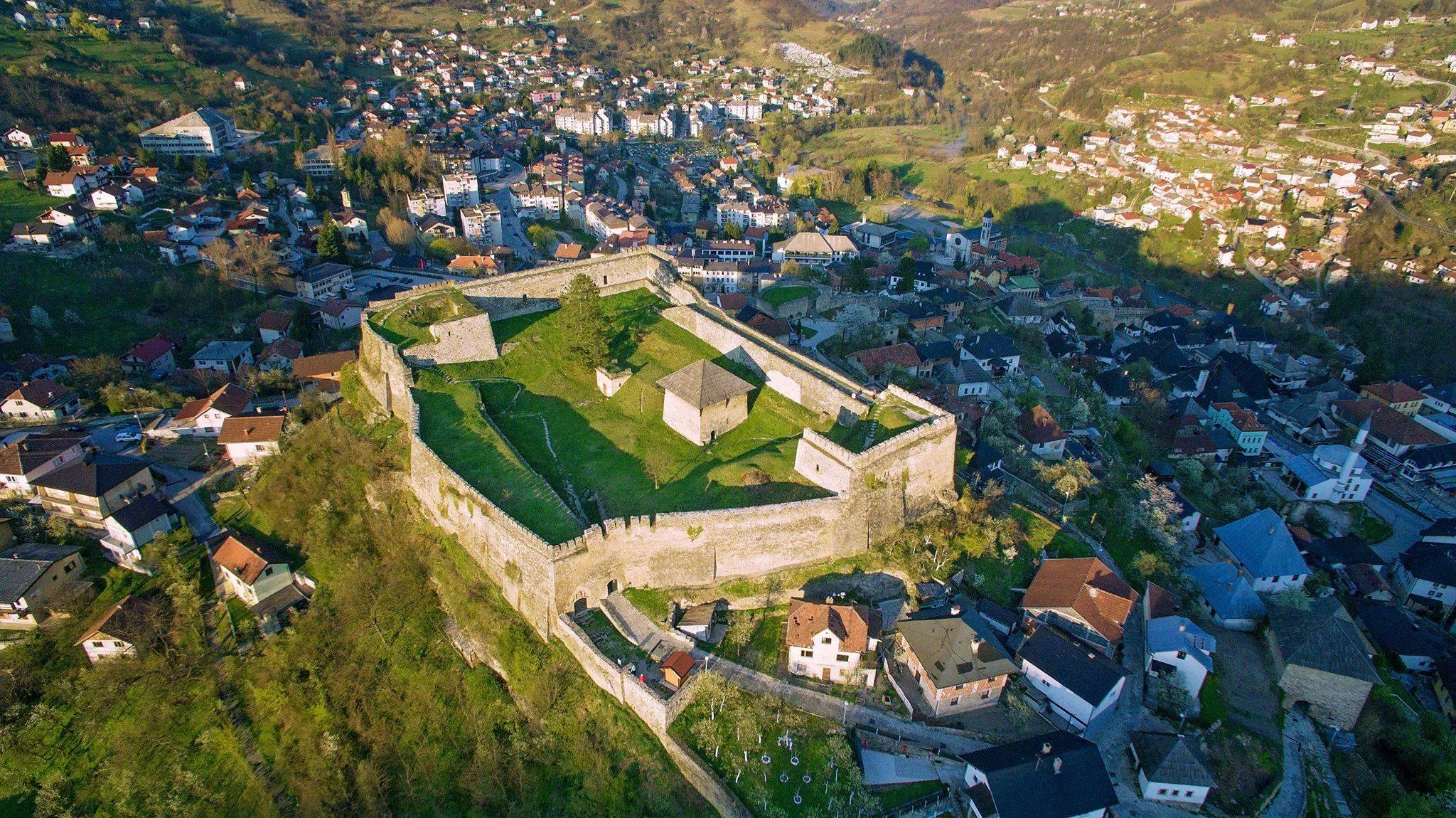
Jajce Fortress rises on a karst hill above the confluence of the Pliva and the Vrbas and forms the historic core of Jajce. It is one of the most important symbols of medieval Bosnian statehood and a national monument of BiH. Its most significant development came at the turn of the 14th–15th century, under the great duke Hrvoje Vukčić Hrvatinić, when it grew from a stronghold into a lavish residence – the town is first mentioned in 1396.
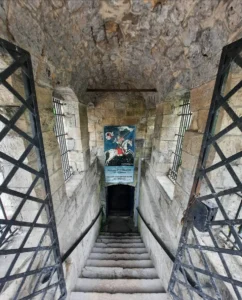
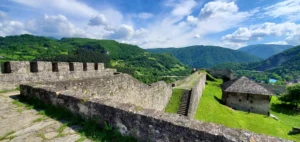
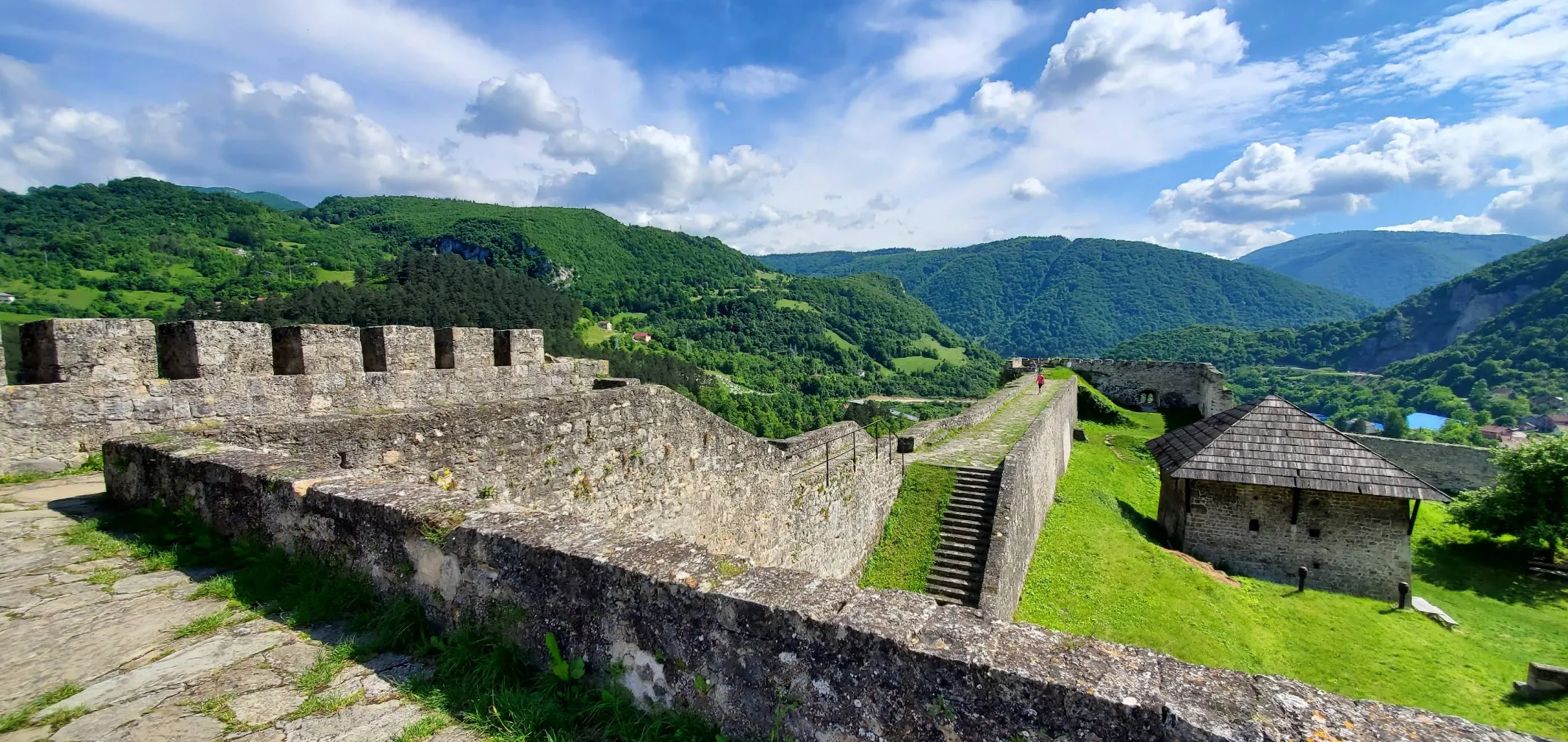
Under the last Bosnian kings, Stjepan Tomaš and Stjepan Tomašević, Jajce became the royal capital. Here, in 1463, the last Bosnian king Stjepan Tomašević was executed. The fortress encloses almost two hectares and changed shape over the centuries – from medieval towers and a royal palace to Ottoman bastions. From its walls there is a spectacular view of the town, the Pliva Waterfall and the mountains, making it one of BiH's most visited attractions today.
What to Visit
Practical Information
History
Three legends surround the origin of Jajce Fortress's name. The first says it was modelled on the Naples castle Castello dell'Ovo — literally the "egg castle" — as Hrvoje Vukčić Hrvatinić maintained close ties with the Neapolitan court.
The second attributes the name to the egg-like shape of the hill on which the fortress stands. And the third, perhaps the most colourful, holds that the builders mixed eggs into the mortar to strengthen the walls — and that the town took its name from this. Whichever may be true, all three still live on as part of the charm of this royal town.