

Temple of the god Mithras


Description
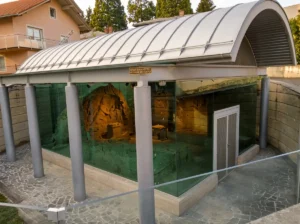
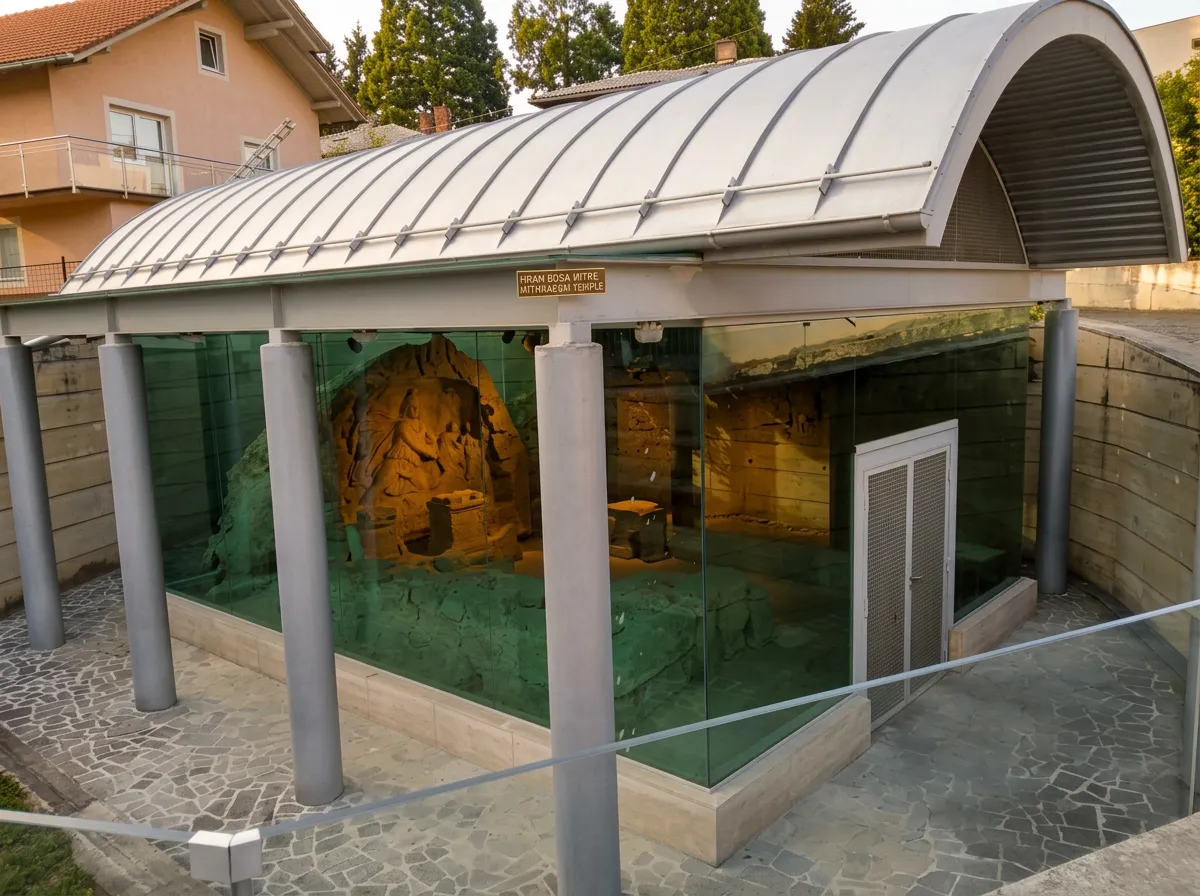
As the oldest national monument in Jajce, the Temple of the god Mithras offers a fascinating window into antiquity and the mystical rituals that took place in the 2nd century. This unique site, carved into natural rock, bears witness to the presence of the cult of the invincible sun god Mithra, the Persian deity worshipped by Roman soldiers and officials throughout the Empire. Mithra was the protector of contracts, courage, and alliances, and it was believed that he brought thrones to emperors and victories to soldiers. Discovered in 1931, the temple has remained exceptionally well preserved, safeguarding the secrets of a religion that was once a major rival to early Christianity.
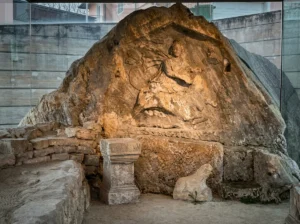
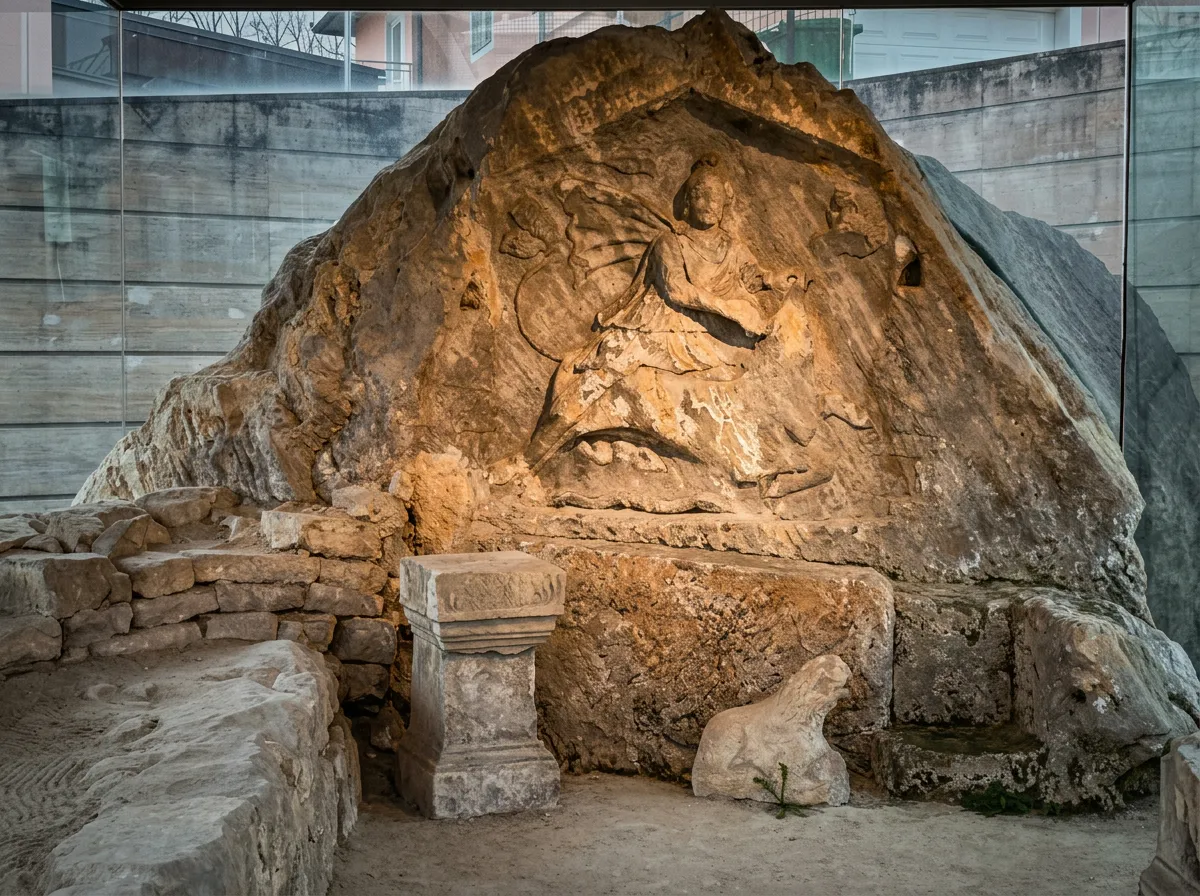
The central feature of the temple is a dramatic relief showing Mithra, dressed in traditional Persian attire with a flowing cloak, depicted at the moment of sacrificing the bull. Beside him are the symbolic figures of a dog, a snake, and a scorpion, while the three altars in front of the relief tell the story of the social structure of the time. Interestingly, the altars were divided according to social class, and the smallest one, intended for the poor, remains the only damaged part of this sanctuary. A visit to the Mithraeum in Jajce is not just a tour of a monument, but a meeting with the energy of an ancient world that left its indelible mark on this area.
Mithras and his cult
Mithras was a Persian deity of light, justice, and covenant, worshipped under the Roman Empire from Britain to Mesopotamia. According to the beliefs of his followers, Mithras gives people courage, protects the righteous, and promises thrones to emperors. The cult was strictly reserved for men, and followers passed through seven levels of initiation.
The central ritual of Mithraism was the tauroctony – the sacrifice of a bull – which, according to belief, brought cosmic renewal and salvation. This very act is depicted on the relief in Jajce, making it a rare and precious witness to this mysterious faith in Bosnia and Herzegovina.
Relief details and altars