

Mount Velež




Description
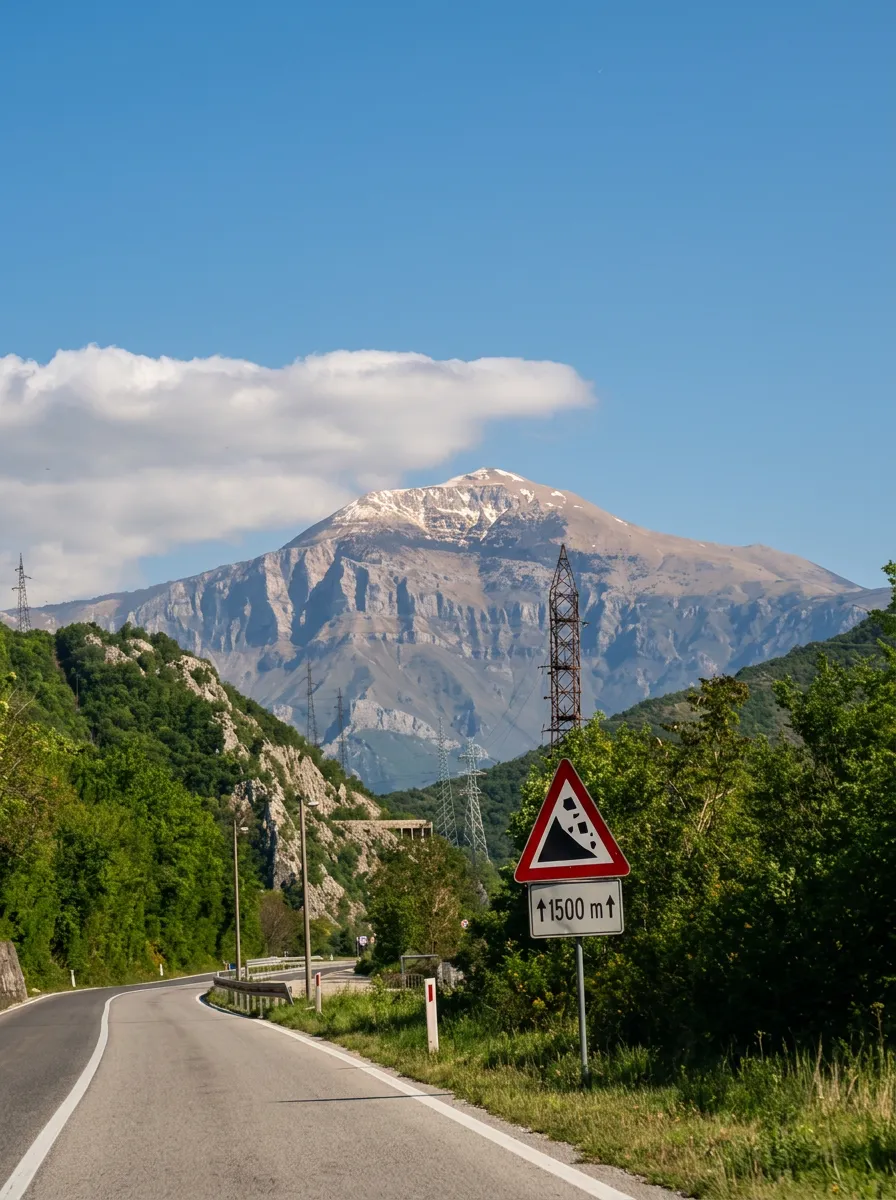
Mount Velež is a limestone giant of Herzegovina, east of Mostar, its ridge stretching north-west to south-east for some thirty kilometres. Its highest peak, Botin, reaches 1,969 metres, and by legend the mountain takes its name from the Slavic god Veles. The western foot is washed by the Neretva, with the Mostar basin spreading before it and the Nevesinje field to the north-east. The south-western side gives way to the karst plateau of Podveležje, home to livestock farmers for centuries. The north-eastern side is entirely different – steep and rugged, with sheer cliffs forming the longest rock barrier in the Balkans, thirteen kilometres long and up to 420 metres high.
Traces of glaciation, a glacial lake and karst underground features are preserved on that side. Velež is a mountain of contrasts – gentle to the west, wild to the north-east – and one of the most attractive climbing destinations in the region.
Climbing & project Heart of the Velez
The northern face of Velež, with a barrier over ten kilometres long, is one of the largest and best-known climbing walls in south-eastern Europe, with 62 established routes. The tradition of climbing on Velež goes back to the mid-20th century. Since 2017 the Srce Veleža project — led by the Treskavica Mountaineering Club, the municipality of Nevesinje and the RS Tourist Board with Swiss Embassy support — has been working to revive that tradition and position Velež as an international climbing destination within sustainable tourism.
Legends & cultural heritage
Velež holds a mythic place in the imagination of the Podveležje locals. It is said that seven — in another version, seventy-seven — secret springs lie hidden in the mountain, findable only by a chosen few; that the korina, the dense mist that often clings to the summit ridge, shelters fairies; and that in one cave the bura wind itself is born. Beyond legend, Velež preserves tangible traces of the past: tumuli, stone circles and stećak necropoles dot its slopes and the Podveležje plateau, and the mountain's name is linked to the early medieval župa of Večenike.