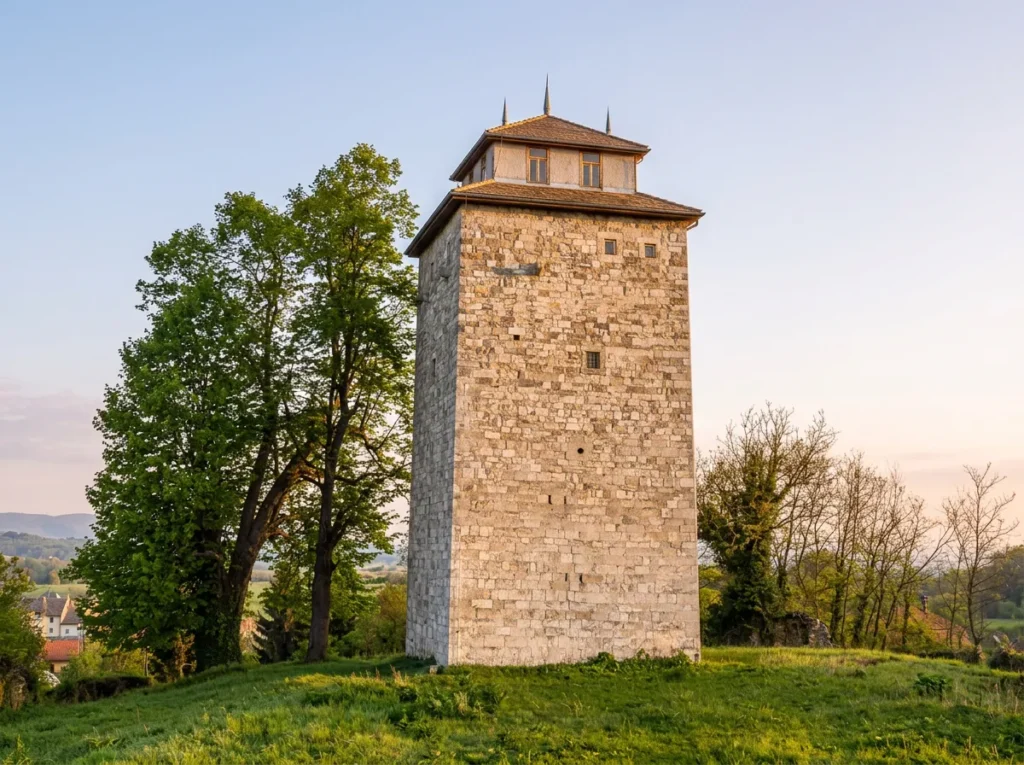





Zidine Gornja Skakava



Description
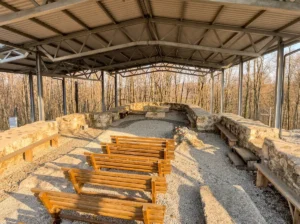
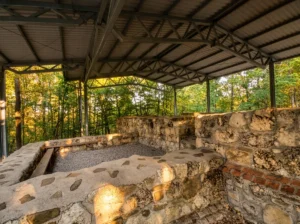
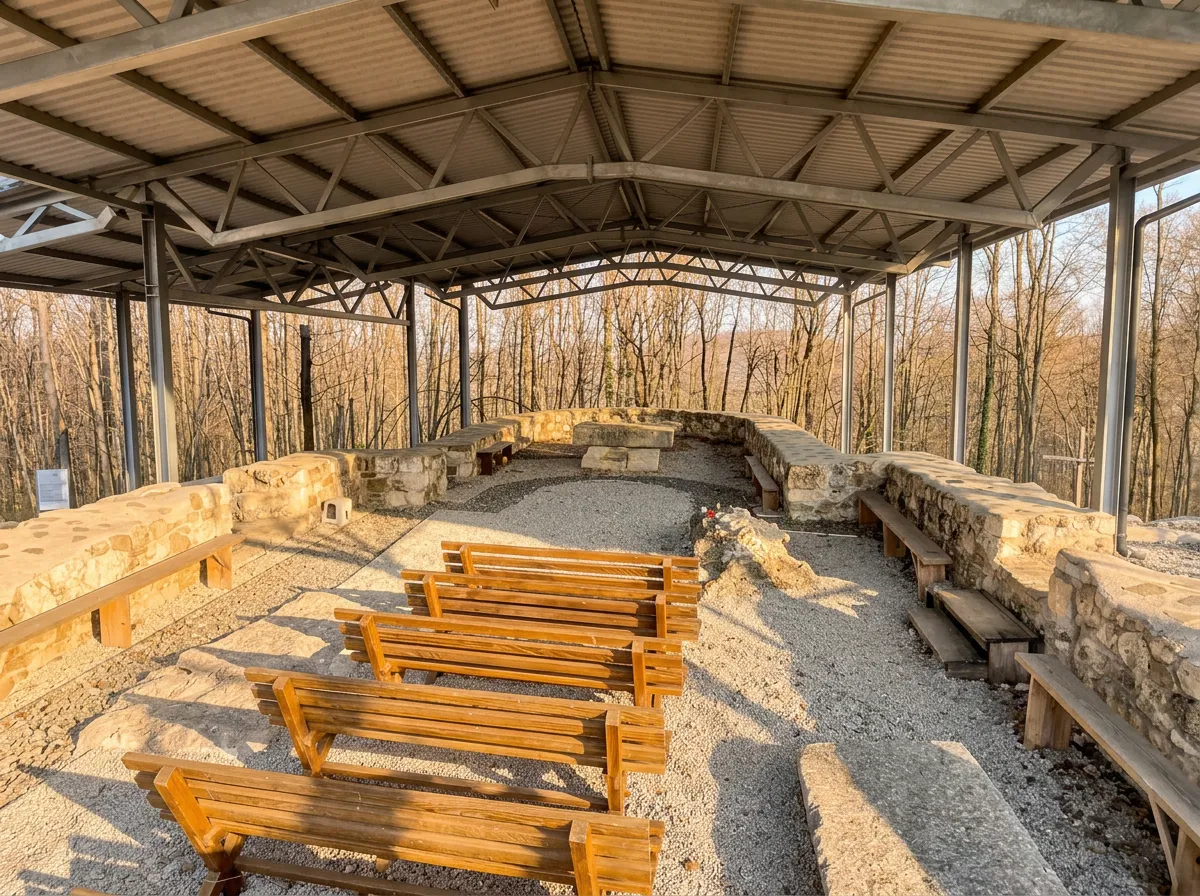
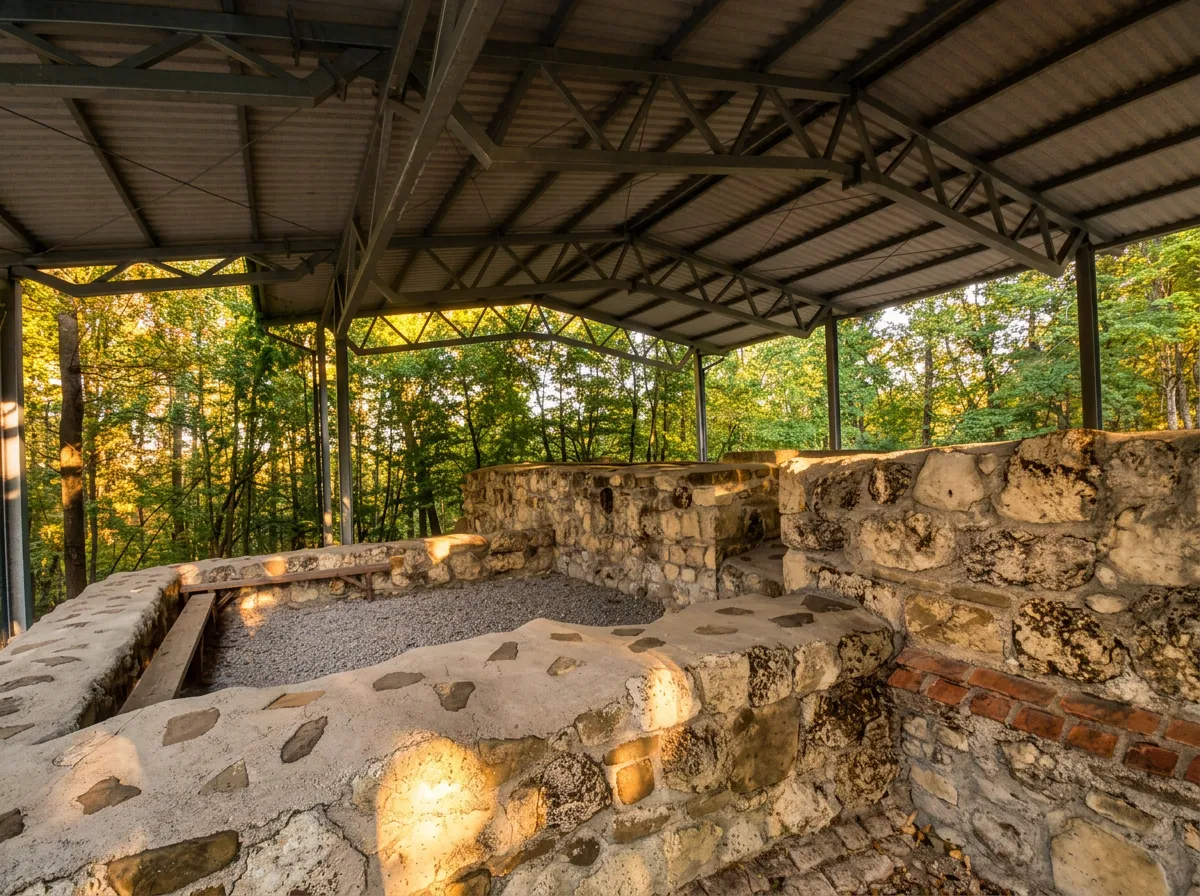
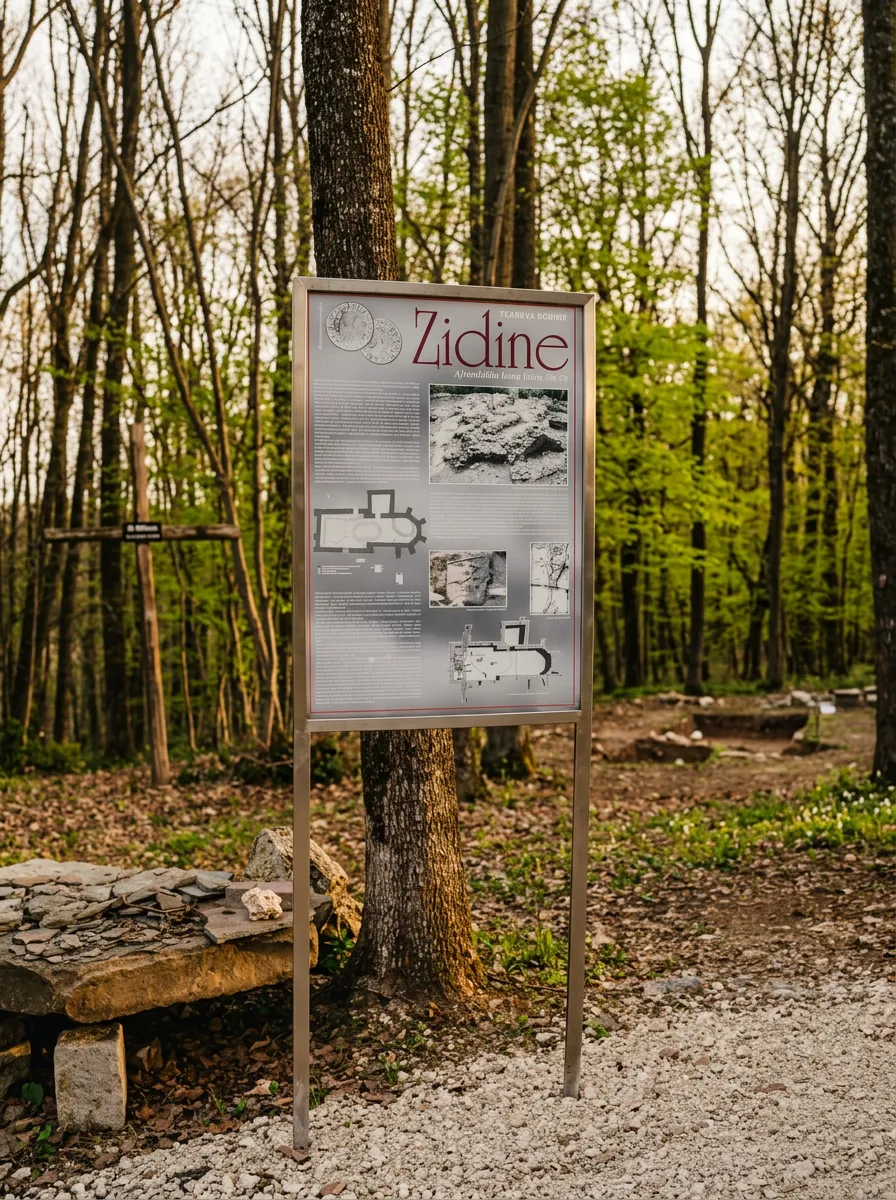
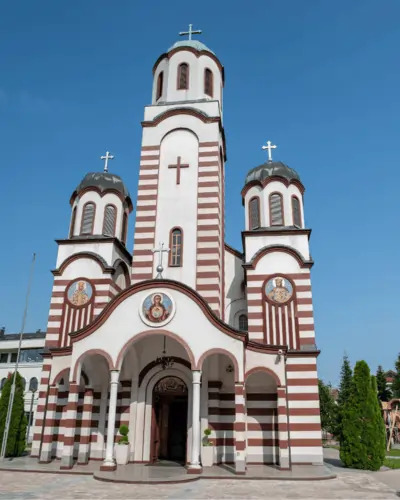
The archaeological site of Zidine in Gornja Skakava, about 20 kilometers from Brčko, is a fascinating multi-layered site that bears witness to centuries of spirituality, from the pre-Romanesque period all the way to the late Middle Ages. On this hilltop, crowned by the Chapel of St. Francis, the remains of a rare hexagonal baptistery, a 13th-century Romanesque church, and a monumental Gothic monastery church with a polygonal sanctuary were discovered. The site is especially valuable for its necropolis with decorated stećci and distinctive graves covered with stone slabs, a true rarity for medieval churches in Bosnia and Herzegovina. Along with rich movable finds such as silver rings, coins, and decorated plaques, now kept in the monastery in Dubrave, Zidine remains an essential monument of cultural heritage that uniquely combines architectural styles and historical eras of the Brčko area.
Layers of Faith Through the Centuries
Zidine in Gornja Skakava is not one church — it is three churches, built one on top of another over nearly seven centuries. The oldest is a hexagonal baptistery, a type associated with early Christian structures from the pre-Romanesque period in Dalmatia. On its foundations, a Romanesque church was built in the 13th century, and its building material was later used to construct a larger Gothic monastery church in the first half of the 14th century — with a polygonal sanctuary and sacristy, typical of Gothic architecture of the time. Each phase of construction wrote a new chapter in the same place.
A Ring That Speaks of Wealth
Among the graves laid out in rows in the medieval cemetery beside the church, archaeologists found a detail that says a great deal — a silver signet ring with a lily motif. That symbol, combined with coins of the Hungarian kings Louis I and Sigismund minted in the late 14th and early 15th centuries, suggests that one of the more important and wealthier people of the time was buried here. Graves covered with stone slabs or stećci — a rare occurrence in medieval churches in Bosnia and Herzegovina — further confirm that Gornja Skakava was a place of special importance, not only religiously but socially as well.