
Gradaščevića Tower


Description
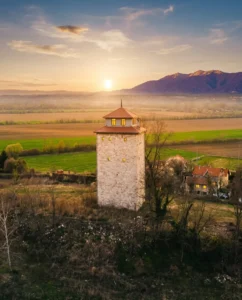
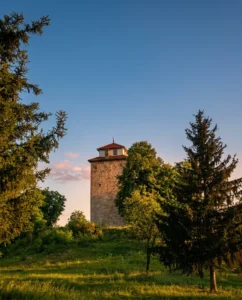
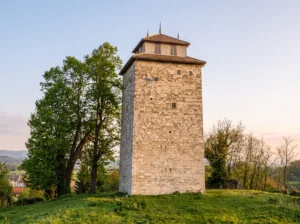
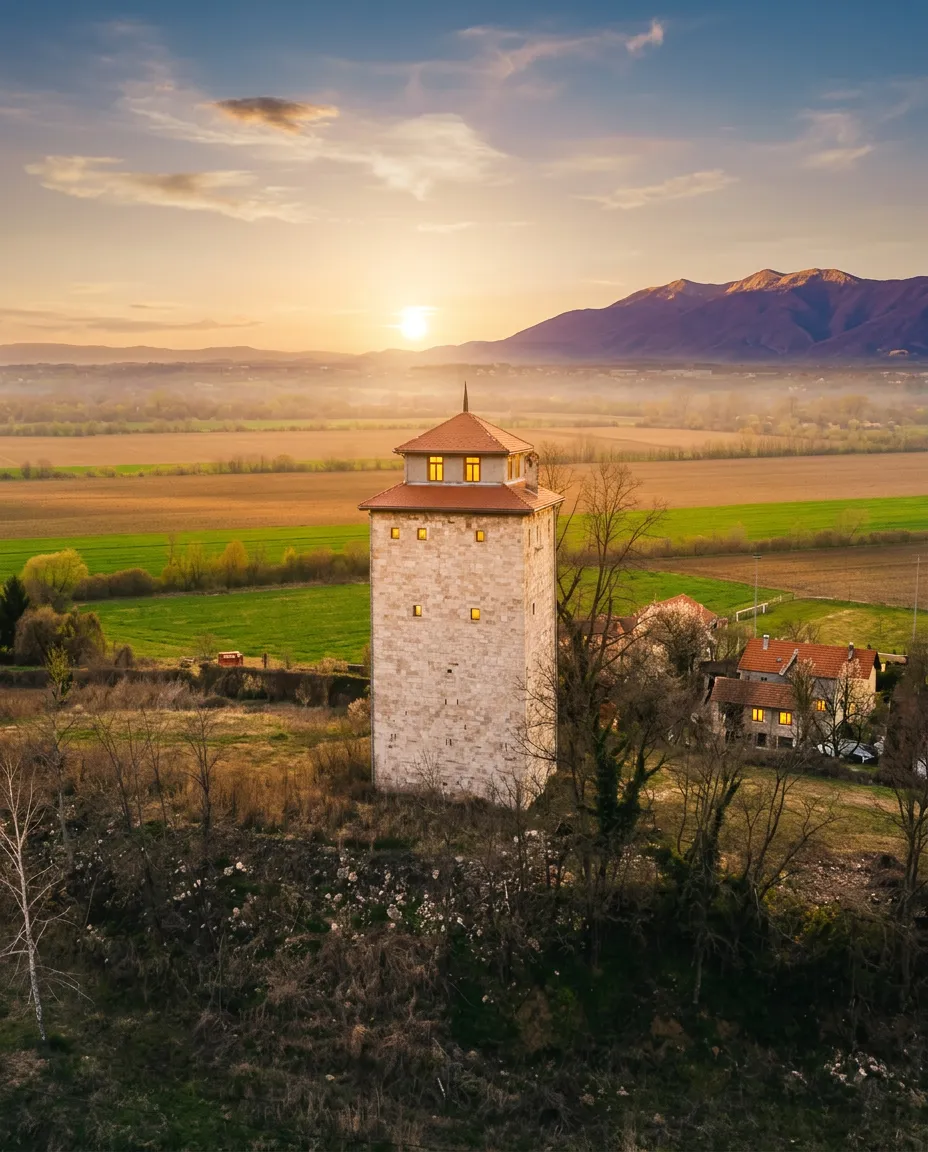
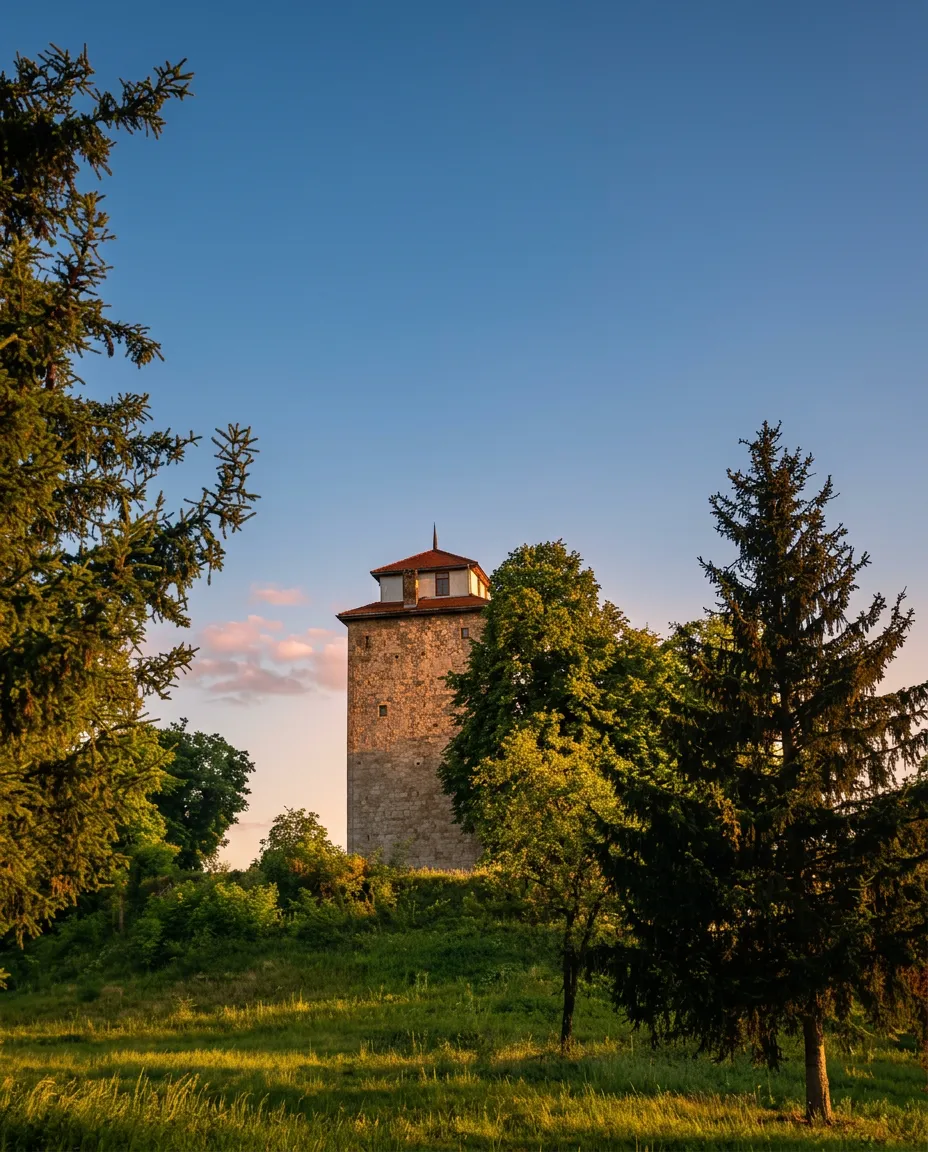
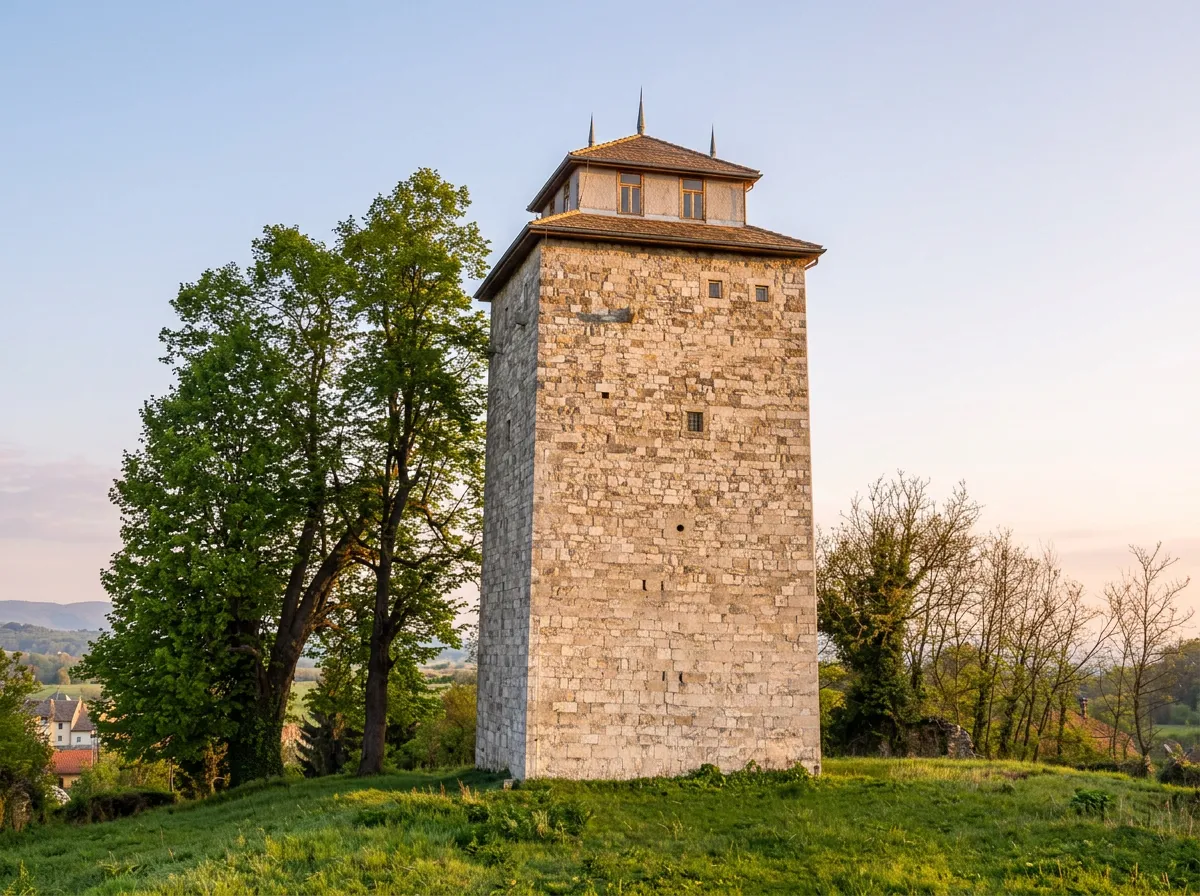
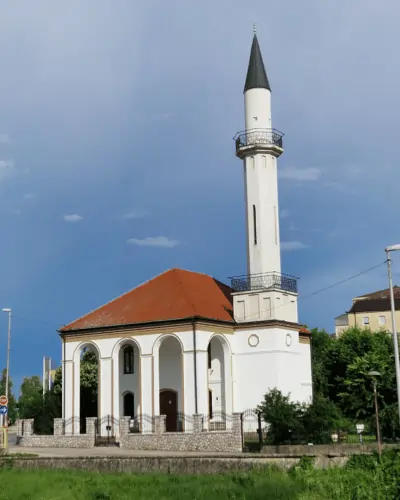
Located on the gentle slopes of Majevica in the settlement of Bijela, Gradaščevića Tower is a fascinating example of residential-fortification architecture from the Ottoman period and one of the most valuable structures of its kind in the region. Built at the turn of the 18th and 19th centuries, this monumental building, whose top rises to an impressive 23 meters, bears witness to the power and strategic importance of the Gradaščević family.
The tower stands out for its specific construction in which, unlike traditional čatme, the upper floors were built of solid stone, while the ground floor is secured by walls as thick as 152 centimeters. Inside the tower is a unique “ćemerodaja” — a vaulted room that breathes the spirit of times past, while the entire complex, surrounded by high stone walls and an entrance gate, forms an impregnable yet elegant whole. As a declared national monument of Bosnia and Herzegovina, Gradaščevića Tower in Bijela is not only a stone fortress, but an authentic guardian of history that proudly defies time, preserving stories of noble life and the defense of Herzegovinian and Bosnian estates.
The Tower Where the Brothers Parted Ways
The year 1831 in Bijela was no ordinary one. Here, in the shadow of Gradaščevića kula, Husein-kapetan Gradaščević — known in history as the Dragon of Bosnia — and his brother Osman-paša parted ways. Husein led the movement against Ottoman reforms, while Osman-paša supported those very reforms. That split between the brothers became a symbolic moment in one of the most important episodes of 19th-century Bosnian history, and the tower in Bijela remained its silent witness.
Gradaščevića kula Breaks the Rule
Gradaščevića kula has one architectural feature that experts particularly highlight. While similar towers in Bosnia usually had an upper floor above the arch built using the čatma technique (a wooden frame filled with adobe), here the builders chose to construct it in stone, with walls 70 centimeters thick, while the ground-floor walls are as much as 152 centimeters thick. That decision speaks to the seriousness of the building’s fortification purpose, as it rises to 23 meters and still dominates the landscape on the slopes of Majevica.