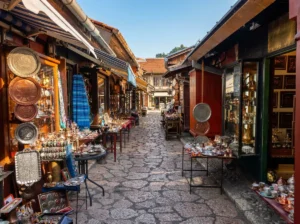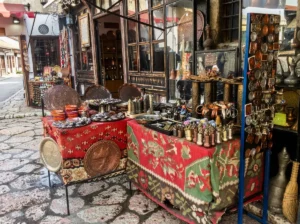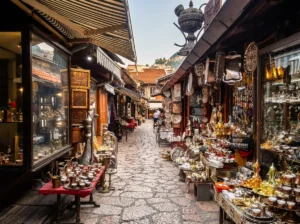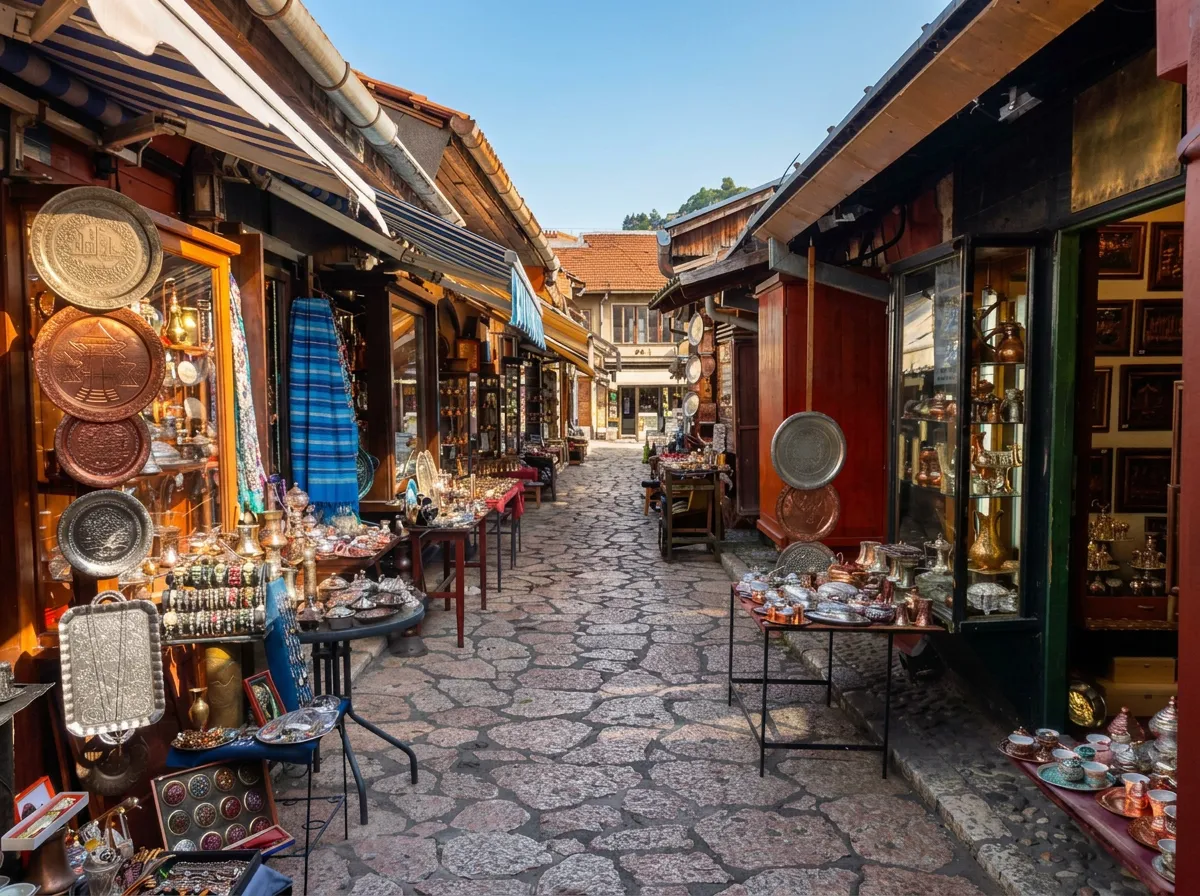



Kazandžiluk Street




Description
Kujundžiluk and Kazandžiluk are two of the oldest and most authentic streets in Sarajevo's Baščaršija, dating back to the first half of the 16th century as part of Gazi Husrev-beg's mahala. Both preserve crafts that for centuries shaped the economic and cultural life of Sarajevo's čaršija. Kujundžiluk is the street of goldsmiths and filigree мастers — its name comes from kujundžije, craftsmen who worked gold and silver.
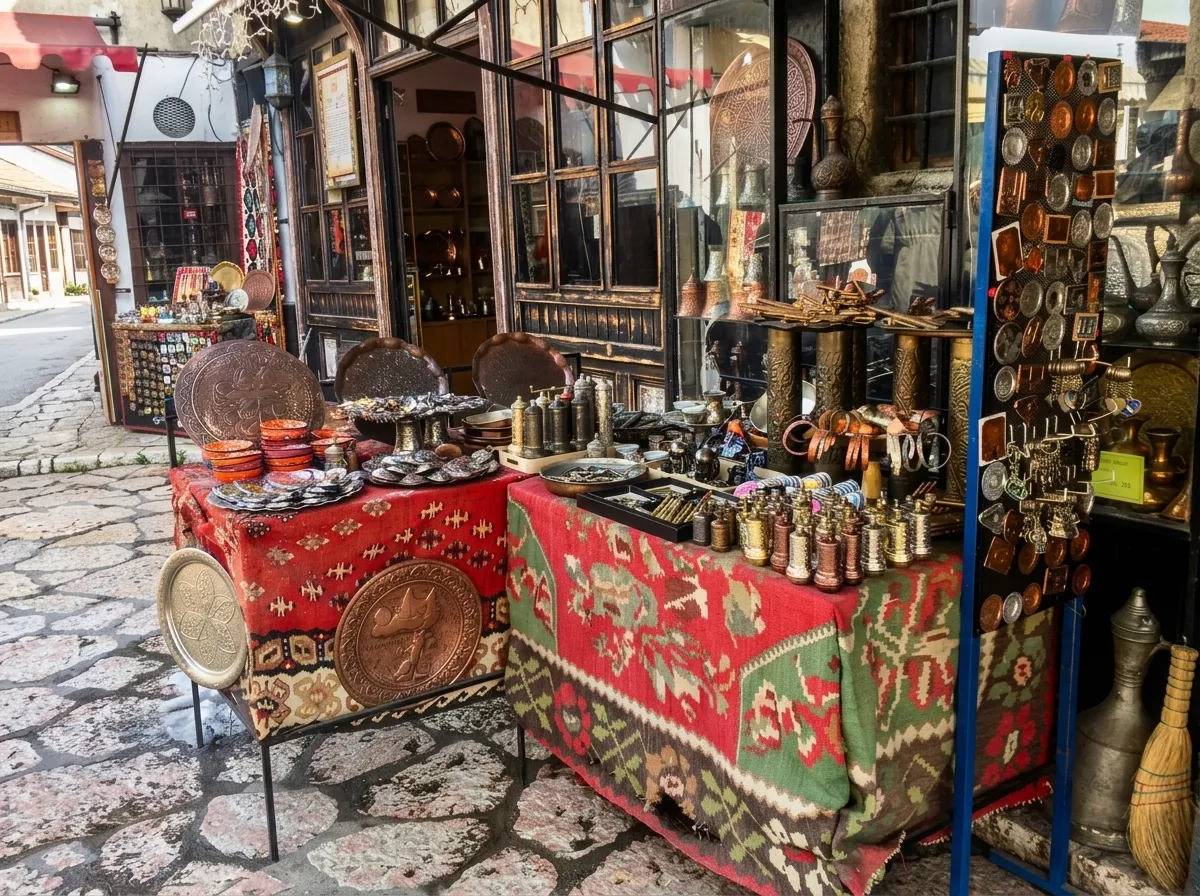
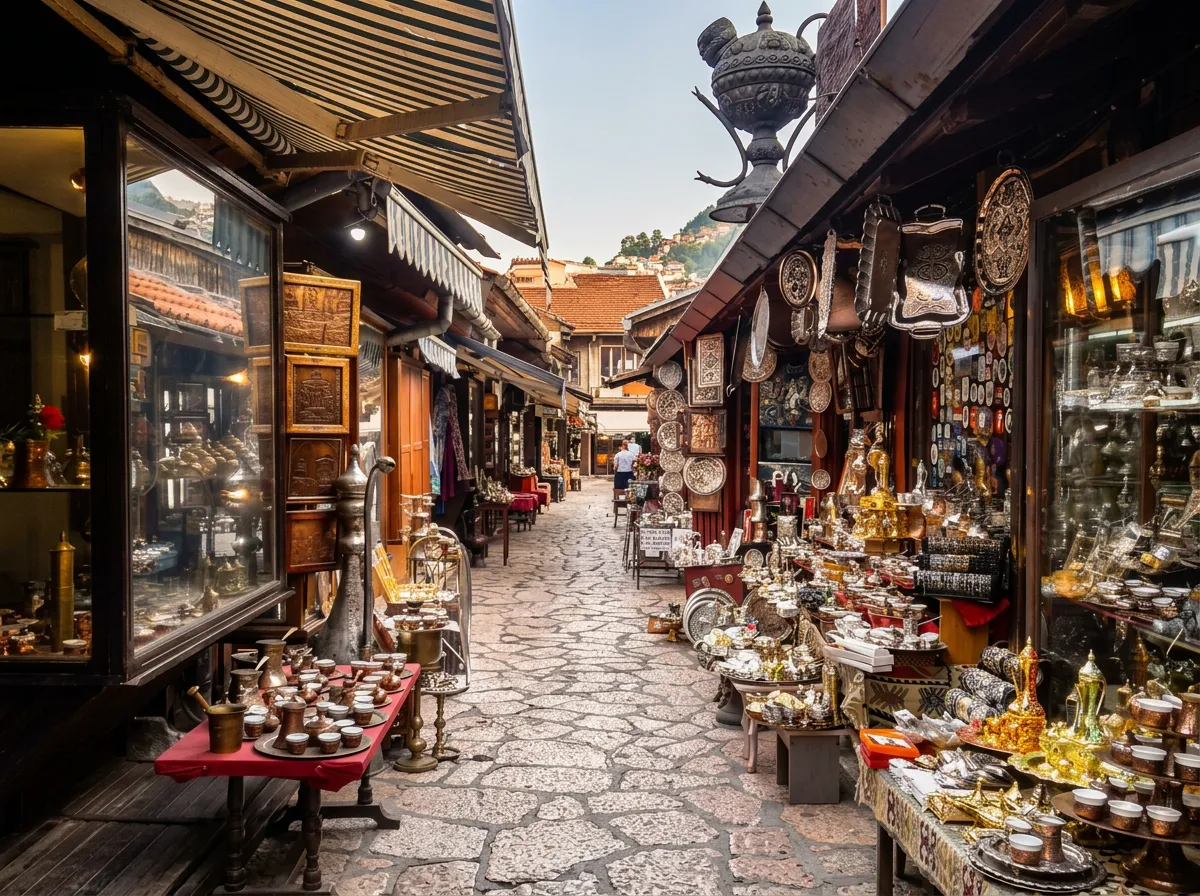
In Ottoman times, the goldsmiths' guild had more than two hundred masters, journeymen, and apprentices, and it also included watchmakers, jalduzdžije, and hašrmedžije. Kazandžiluk, on the other hand, is a street of coppersmiths and cauldron makers, with a history longer than five hundred years and an unchanged purpose – even today, handmade copper items are made and sold here. A walk through these narrow streets, accompanied by the sound of hammers striking copper and the shine of filigree in the shop windows, is one of Sarajevo's most authentic experiences.
Goldsmiths and coppersmiths for centuries
Kujundžiluk and Kazandžiluk are not just streets – they are living museums of Sarajevo's craft spirit. In Ottoman times, the Kujundžijska čaršija covered a larger area than it does today: the name referred to the entire goldsmiths' quarter around Gazi Husrev-beg's bezistan. It was only around 1900 that it was divided into Veliki and Mali kujundžiluk, and in 1931, with the formation of Gazi Husrev-beg Street, only Mali kujundžiluk remained as we know it today. Kazandžiluk sprang up on the land of the wealthy tanner Sagrakči hadži Mahmud and, for five hundred years, has never changed its purpose – even today, craftsmen there, like their ancestors, hammer copper into the same cups, ibriks, and trays.
Interesting facts and crafts