


Drakuljica Fortress



Description
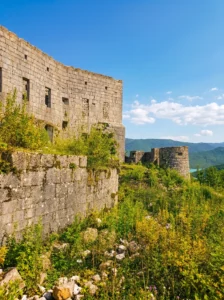
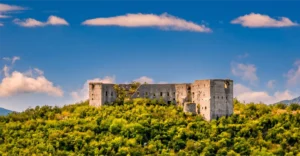
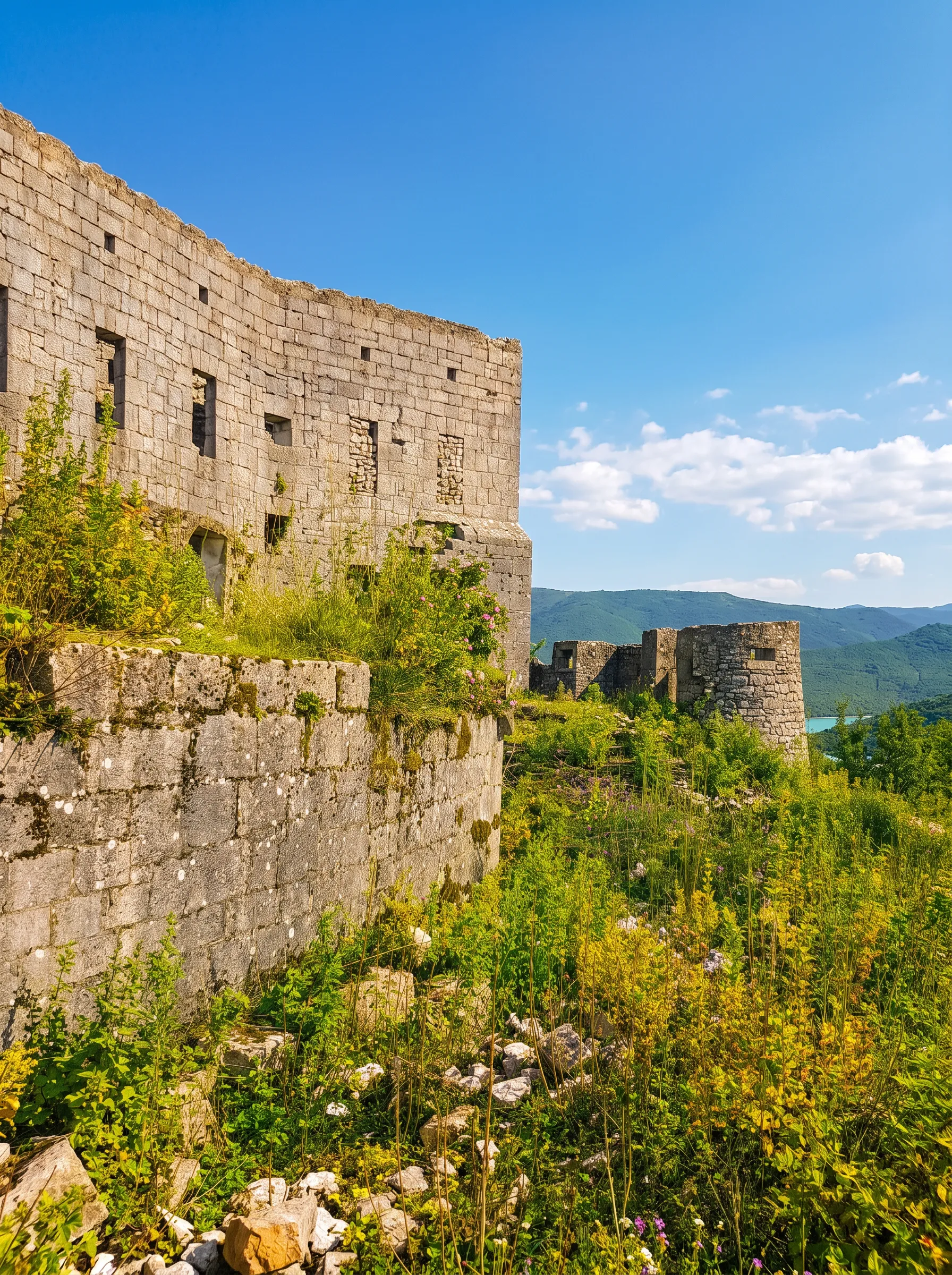
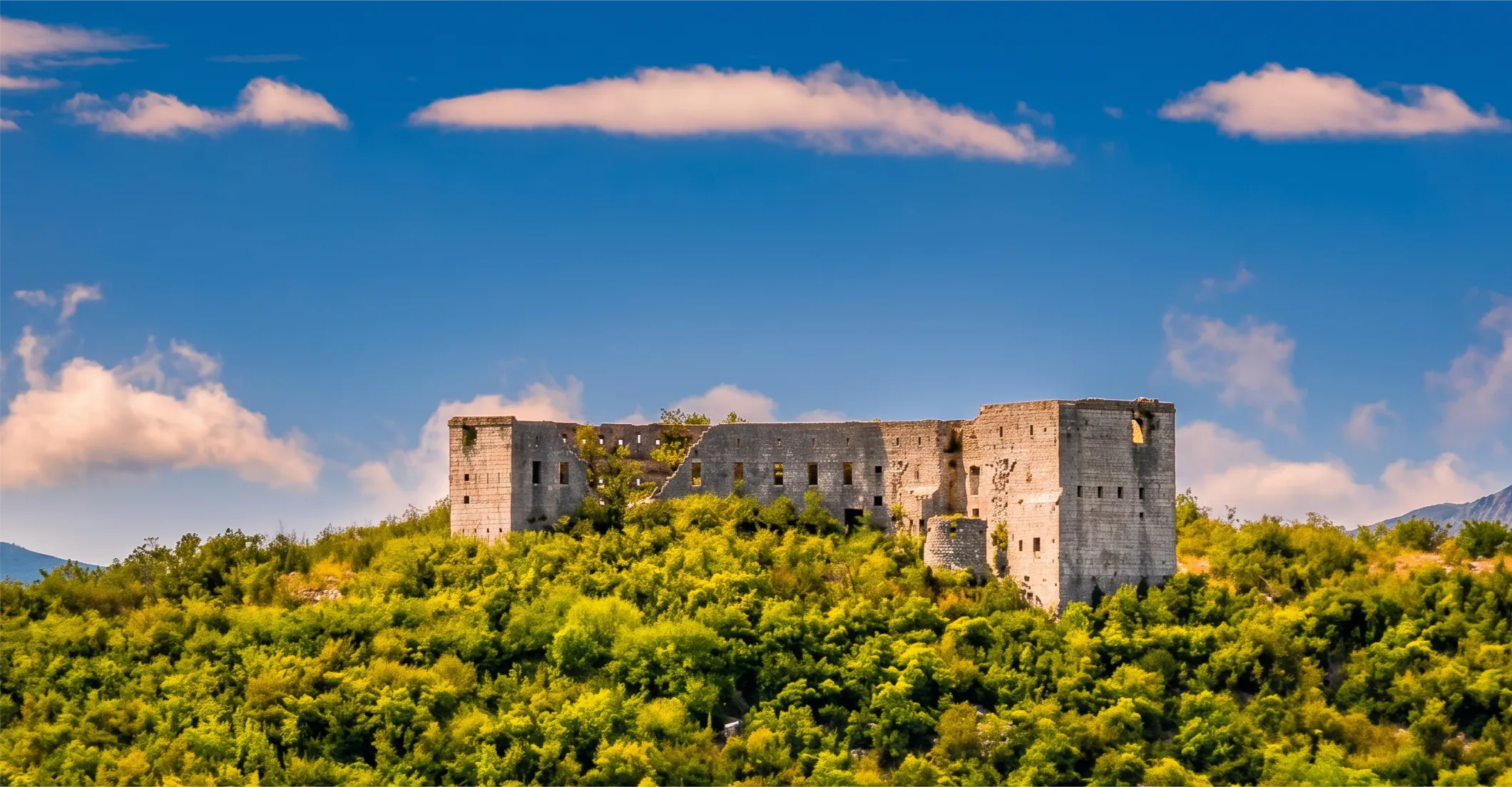
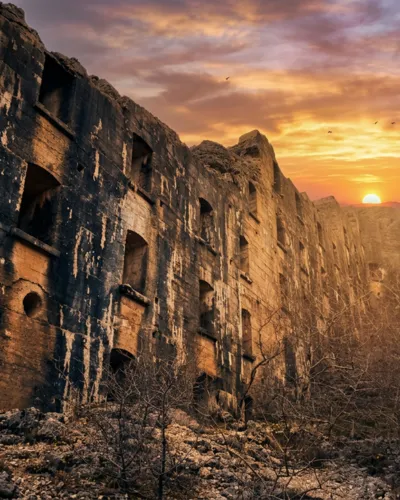
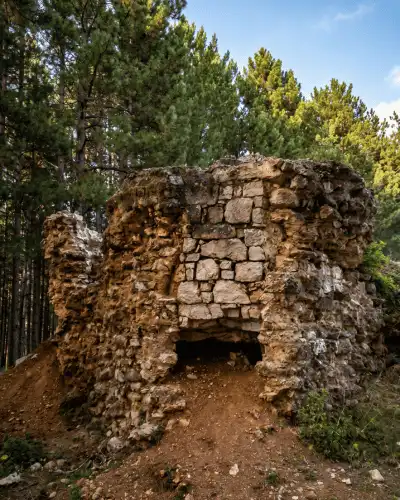
Drakuljica Fortress was once an Austro-Hungarian military outpost located above Bileća Lake, one of eight fortifications built on the hills around Bileća by the Austro-Hungarians after they established rule in Bosnia and Herzegovina. The eight fortifications are: Vlahinja, Kamenica, Hadžibegovo brdo, Modrobac, Dubovac, Tuhor, Nikolja glava, and Drakuljica.
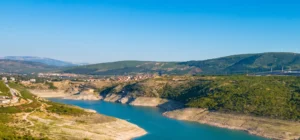
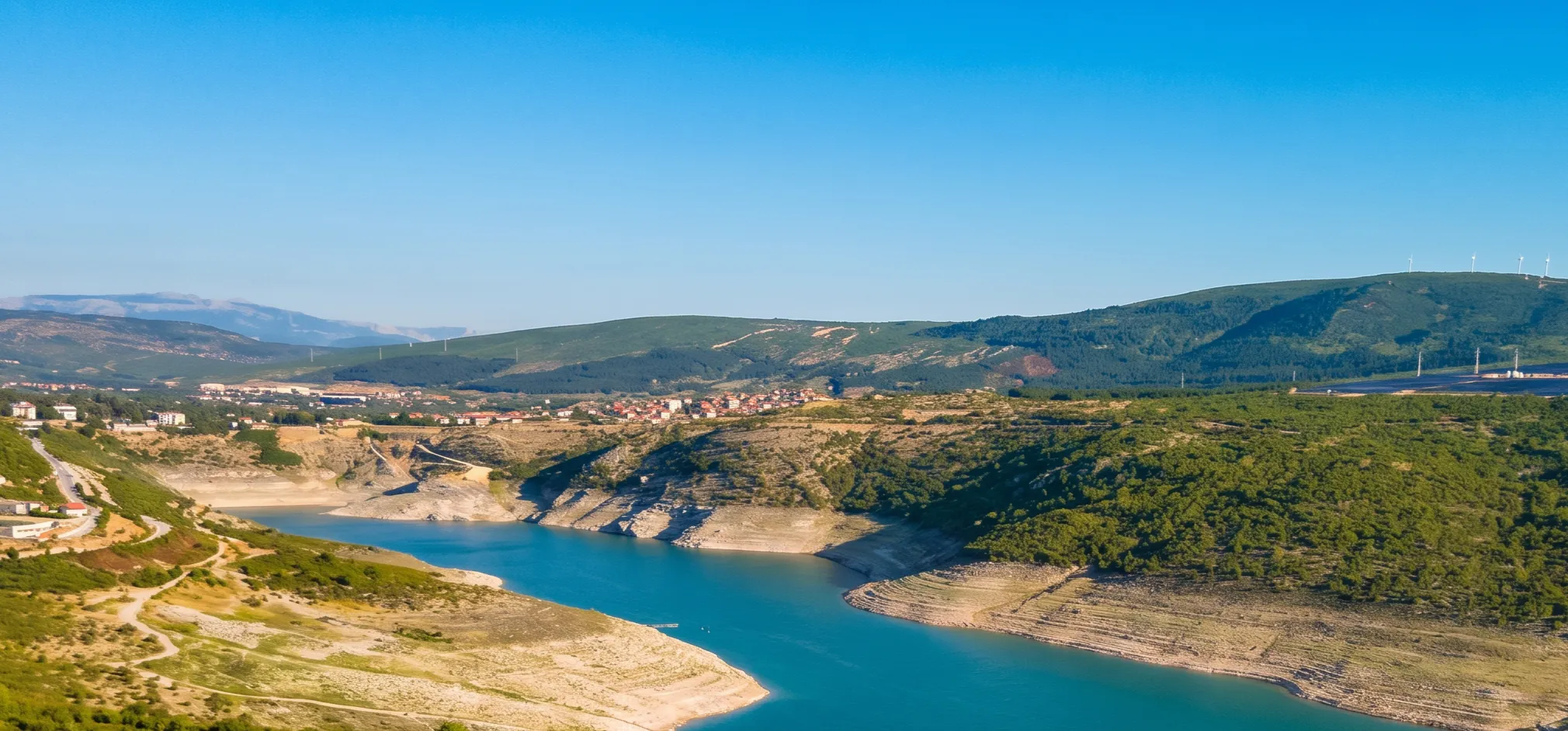
The fortress is located at the crossroads of the old Bileća–Trebinje road (now flooded) and the main road that follows the lake shore toward Herceg Novi and Dubrovnik. It is visible from the opposite shore of the lake, and from its summit there is a beautiful view of Bileća Lake. All the fortresses were connected by a cobblestone road whose remains are still visible today. The Dubovac and Modrobac fortifications were mostly underground, with lifts; Dubovac housed two of the largest-caliber cannons in the Balkans. It was built by skilled masons from Bileća and the Adriatic coast.
Eight sentries around Bileća
When the Austro-Hungarians took over Bosnia and Herzegovina, they immediately began fortifying the border. Around Bileća they built not one, but eight fortresses on the surrounding hills — Vlahinja, Kamenica, Hadžibegovo brdo, Modrobac, Dubovac, Tuhor, Nikolja glava, and Drakuljica. Each had its role in the defensive system, and all were connected by a cobblestone road whose remains can still be seen today. The most impressive feature was the engineering: Dubovac concealed two of the largest-caliber cannons in the entire Balkans, and Modrobac had the first lift platform of that size in the region. They were built by master masons from Bileća and the Adriatic coast.
A view worth the climb
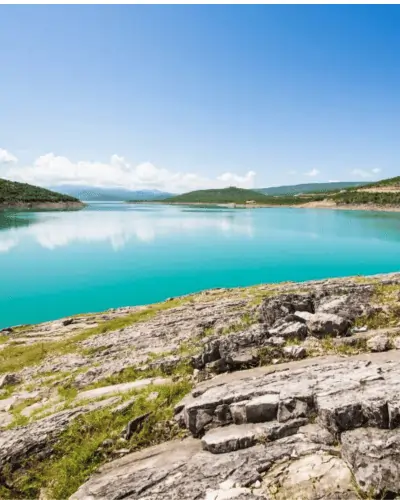
Drakuljica today stands above Bileća Lake — a vast reservoir that flooded the old Bileća–Trebinje road at its foot. The fortress can be seen from the main road toward Montenegro, from the opposite shore of the lake, and anyone who climbs up to it is rewarded with a view that takes in the entire lake and the surrounding peaks. That may be the best reason to visit an Austro-Hungarian outpost — not so much for what it was, but for what you can see from its summit.