




Strač Fortress




Description
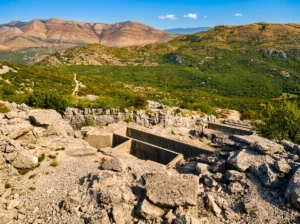
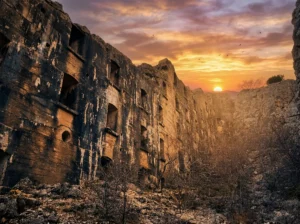
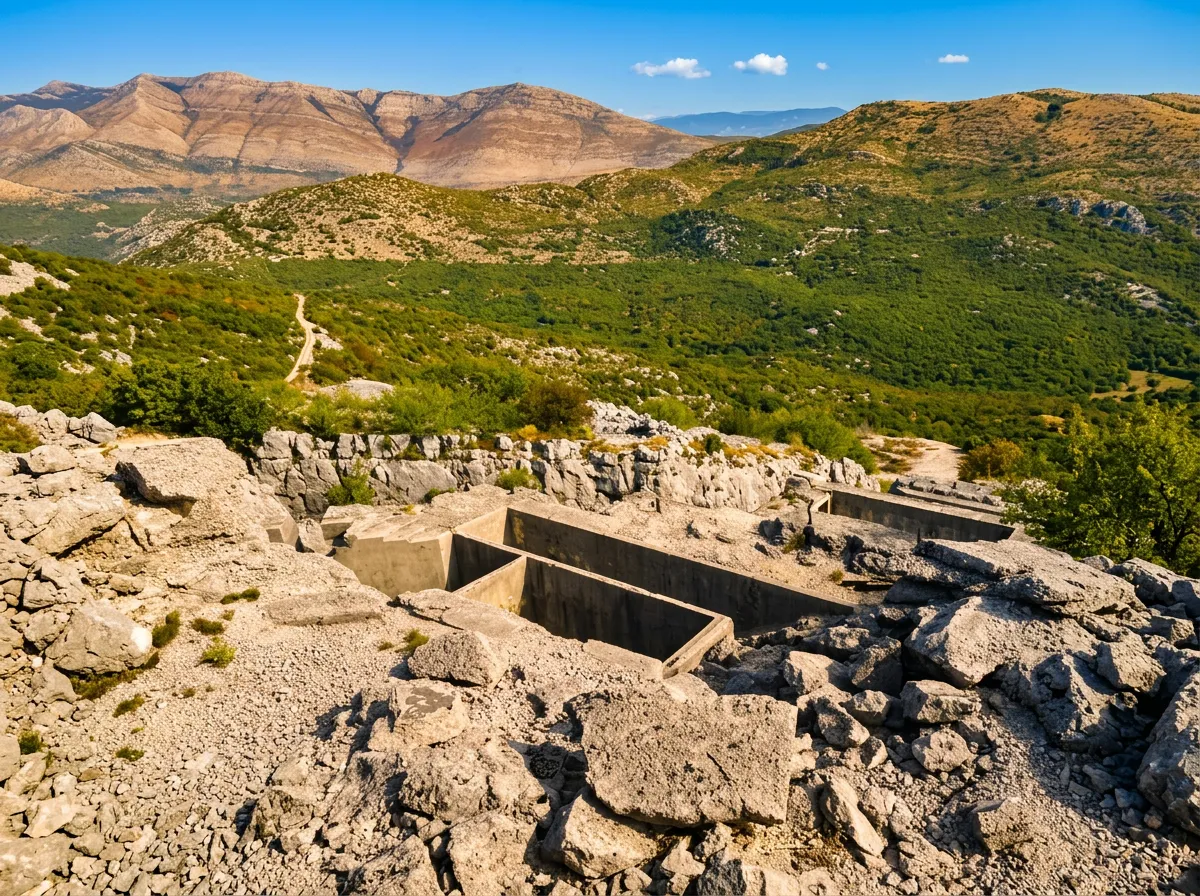
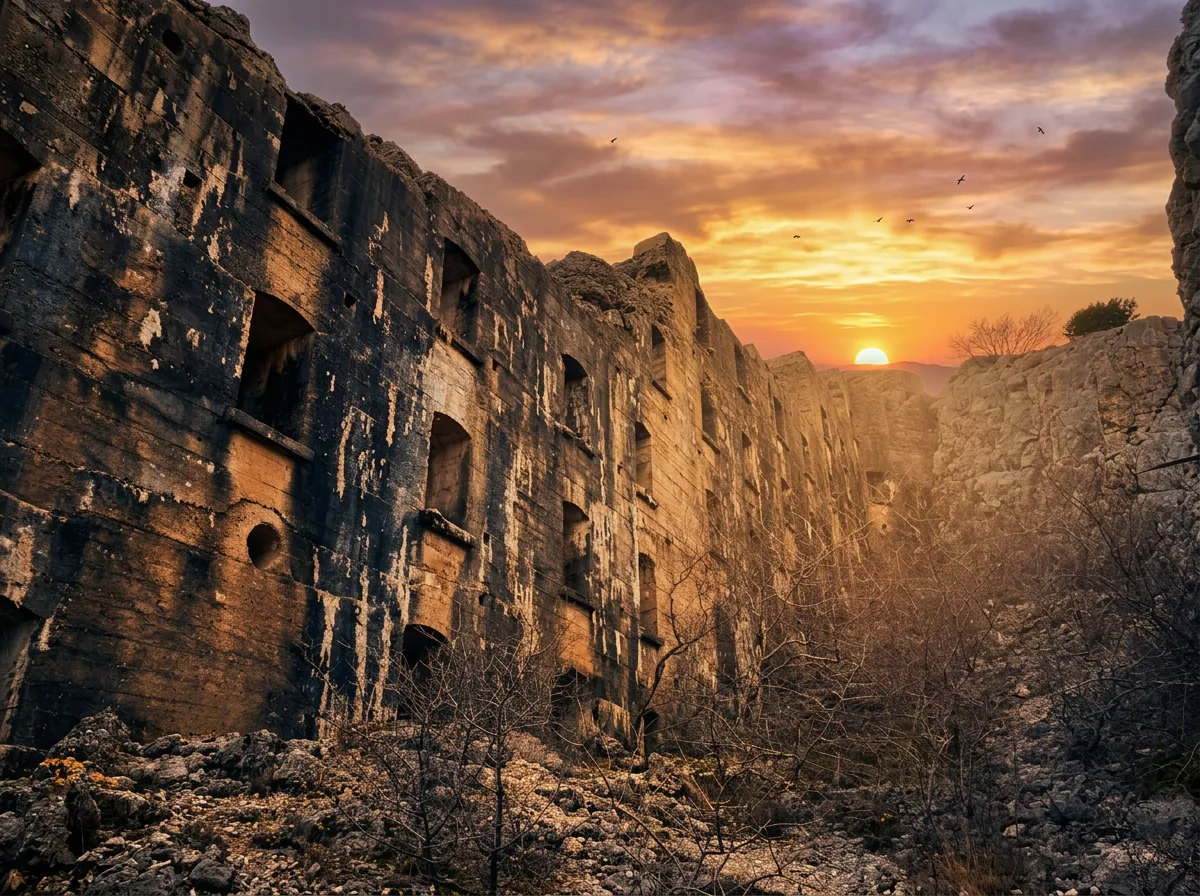
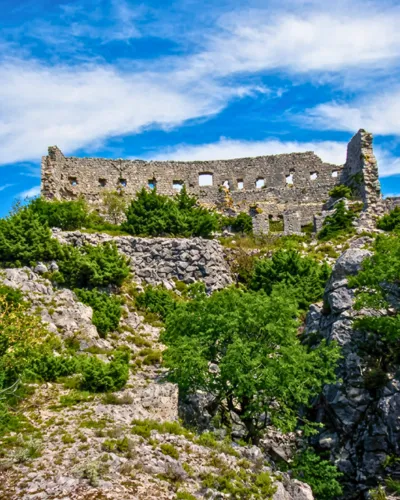
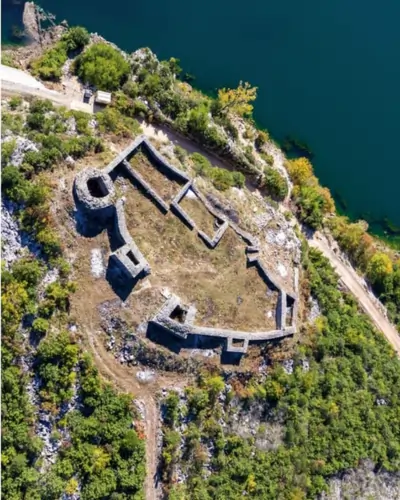
Strač Fortress is an Austro-Hungarian fortification southeast of Trebinje, located at 750 meters above sea level with panoramic views of Zupci, Petrovo polje, Trebinjska šuma, and the city. It was built from 1910 to 1916 as part of a system of ten fortifications used by Austria-Hungary to defend Trebinje and the Bay of Kotor. It was the second-largest Austro-Hungarian fortress in the monarchy, and construction cost the equivalent of 60 million euros.
Unlike other fortifications from that period, Strač is built into the ground, which earned it the reputation of being the most mysterious structure. It had 60–65 rooms, its own diesel generator, water tanks, and a cableway for delivering materials. The ~55-ton domes were transported by a tractor designed by Ferdinand Porsche. Two steel domes have survived to this day and are the only ones of their kind in Europe. Ownership of the fortress has not been resolved, and it is not officially a protected cultural monument.
Myths and reality
For years, Strač Fortress was surrounded by urban legends: stories of 365 rooms, secret cisterns with cubic meters of water, and ox carts pulling the domes.
Research by speleologist Dubravko Kurtović and Austrian experts from the Faculty of Architecture in Graz has dispelled those myths: Strač has between 60 and 65 rooms, the water was not rainwater but pumped in from outside, and the ~55-ton domes were not pulled by oxen but by an artillery tractor designed by Ferdinand Porsche — still popularly known today as Porsche's tractor.
The only domes in Europe
What makes Strač truly exceptional are the two preserved steel domes at the top of the fortification — marked TR.S 43 and TR.S 44, engraved during casting at Škoda's factory. Experts confirm that they are the only preserved domes of their kind on the entire European continent. Four were originally planned, but construction was halted in 1916 when Austria-Hungary ran out of money.
Strač's tourist potential is undeniable — Austrian and European associations dedicated to the study of Austro-Hungarian fortifications visit it regularly — but infrastructure development is blocked by unresolved ownership.