

Leotar Mountain




Description
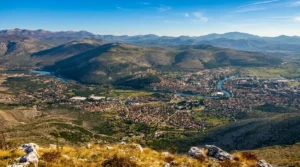
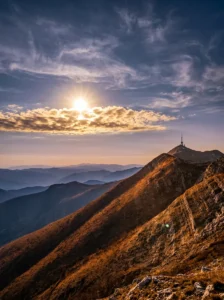
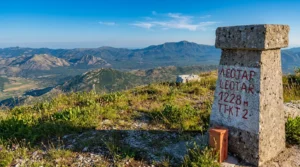
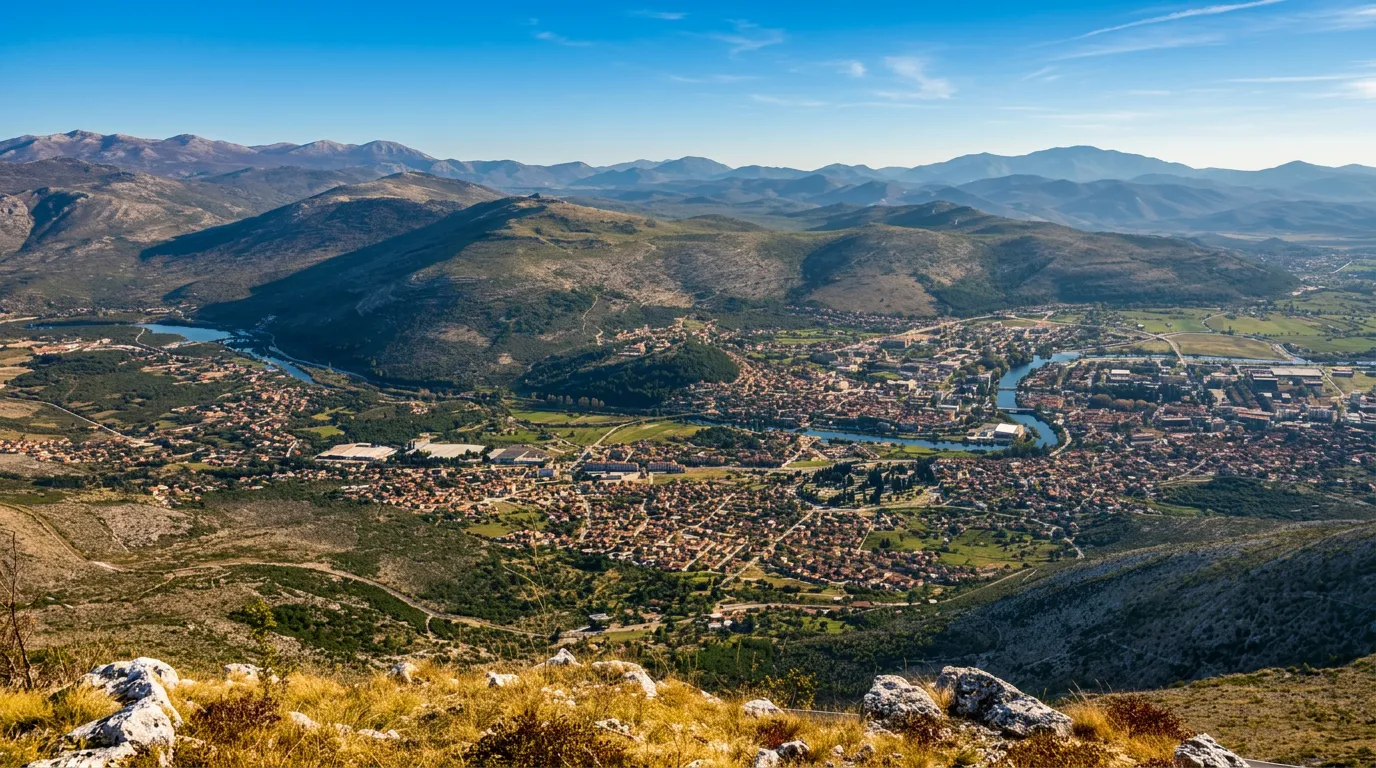
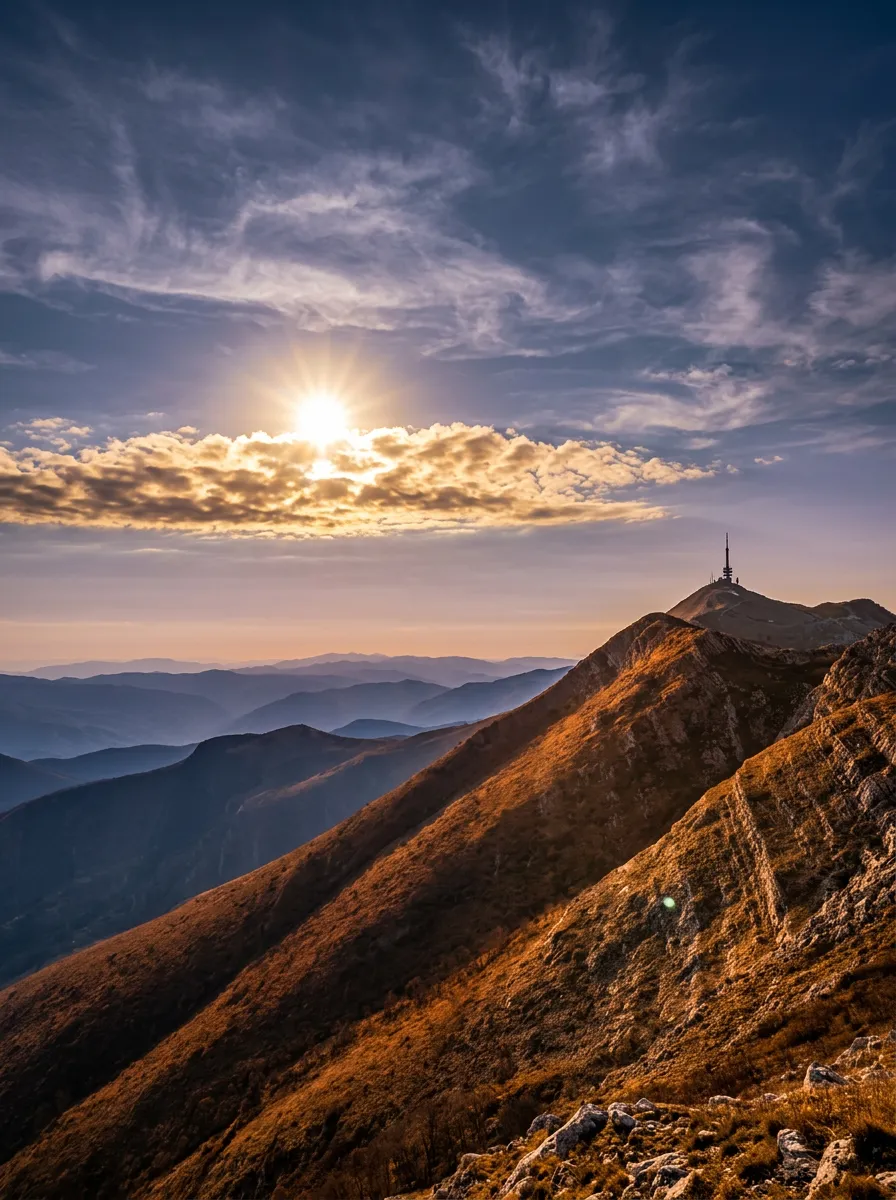
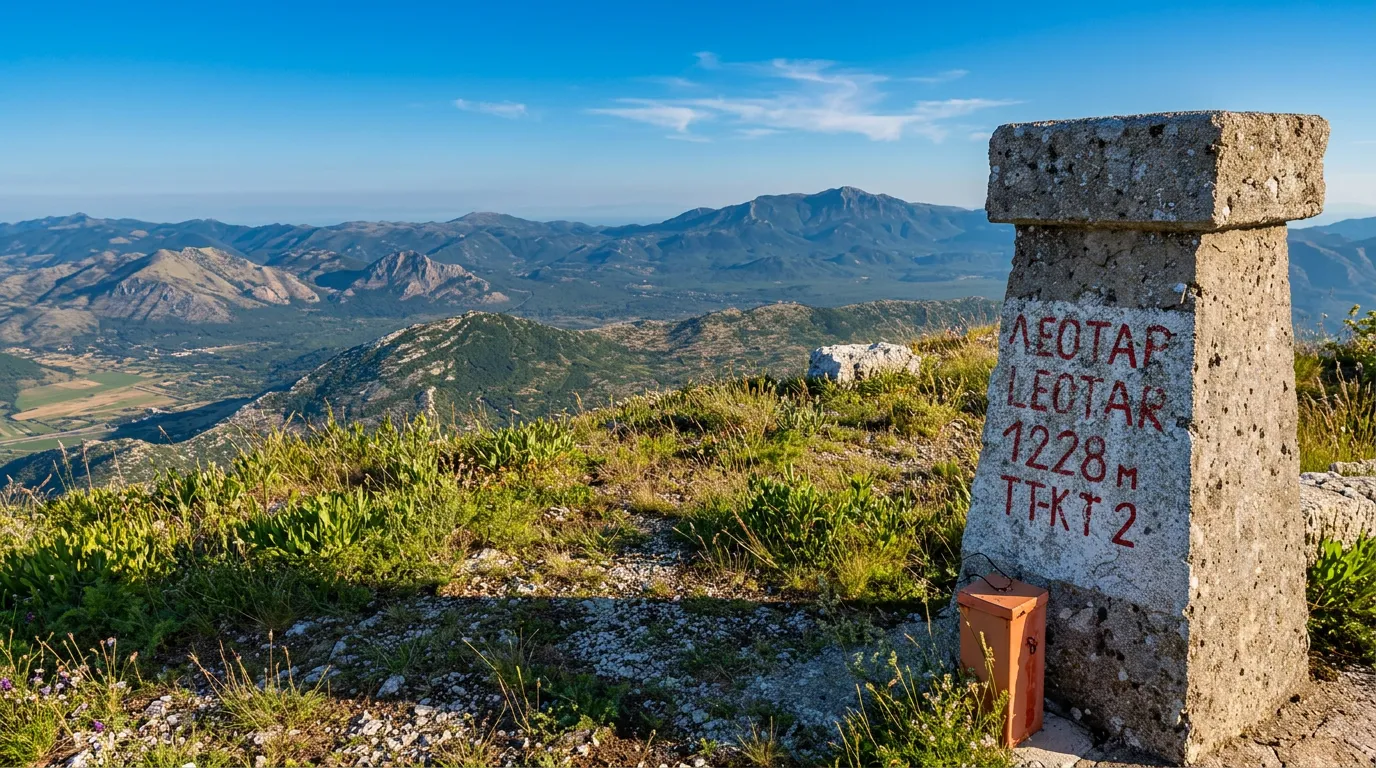
Leotar Mountain is the largest limestone peak in the Trebinje area, located north of the city, with its highest point at 1,228 meters above sea level. It stretches in the Dinaric direction northwest–southeast, with Popovo Polje and the Trebišnjica on the southern side and Ljubomirsko Polje on the northern side.
From the summit there is an exceptional panoramic view: to the south you can see the Adriatic Sea, to the east Orjen, the Kuči Mountains and Komovi, to the north Bioč and Volujak, and to the west Biokovo. Leotar has steep limestone slopes with sparse vegetation of low shrubs and grass, frequent summer fires, and almost no snow in winter because of its proximity to the sea. The average annual temperature at the summit is around 10 °C, while in Trebinje it is 16.6 °C. The mountain is rich in medicinal herbs. More than 260 sunny days a year make Trebinje one of the sunniest cities in the Balkans, and Leotar protects it from cold northern winds.
Panorama and symbolism
Leotar is not just the mountain above Trebinje — it is also an integral part of the city's identity. The football club, handball club, and a number of sports and cultural associations bear its name, and people from Trebinje say that Leotar watches over the city day and night like an eternal guardian.
From the summit, which rises from the south in almost bare cliffs, on a clear day one of the most impressive panoramic views in Bosnia and Herzegovina opens up: the Adriatic Sea to the south, Biokovo to the west, Komovi and Prokletije on the horizon, Durmitor in the distance, and the entire Dinaric mountain range stretching northward. It is said that from Leotar you can see the sea — and that is literally true.
Activities and eco-tourism
No water: there is no natural water source on the mountain (karst) — bring enough water for the entire ascent. Fire hazard: dry slopes are especially at risk in summer — do not light fires outside marked areas.