



Orjen Mountain Massif





Description
The Orjen Massif is one of those mountains that captivates you at first sight—and once you step into its wilderness, you understand why it has long been considered a candidate for national park status. Located just 20 kilometers from Trebinje and the Adriatic Sea, this vast mountain range covers 18,156 hectares and belongs to the Mediterranean biogeographical region, home to some of the most valuable ecosystems in Southeast Europe.
Its forests, mountain pastures, grasslands, and deep sinkholes provide habitat for a remarkable variety of rare species, including bears, wolves, rock partridges, and short-toed snake eagles. The short-toed snake eagle, one of the Balkans’ most impressive and rare birds of prey, nests on Orjen’s cliffs. Watching it soar above the ridges is one of the most memorable sights the mountain can offer to those fortunate enough to witness it.
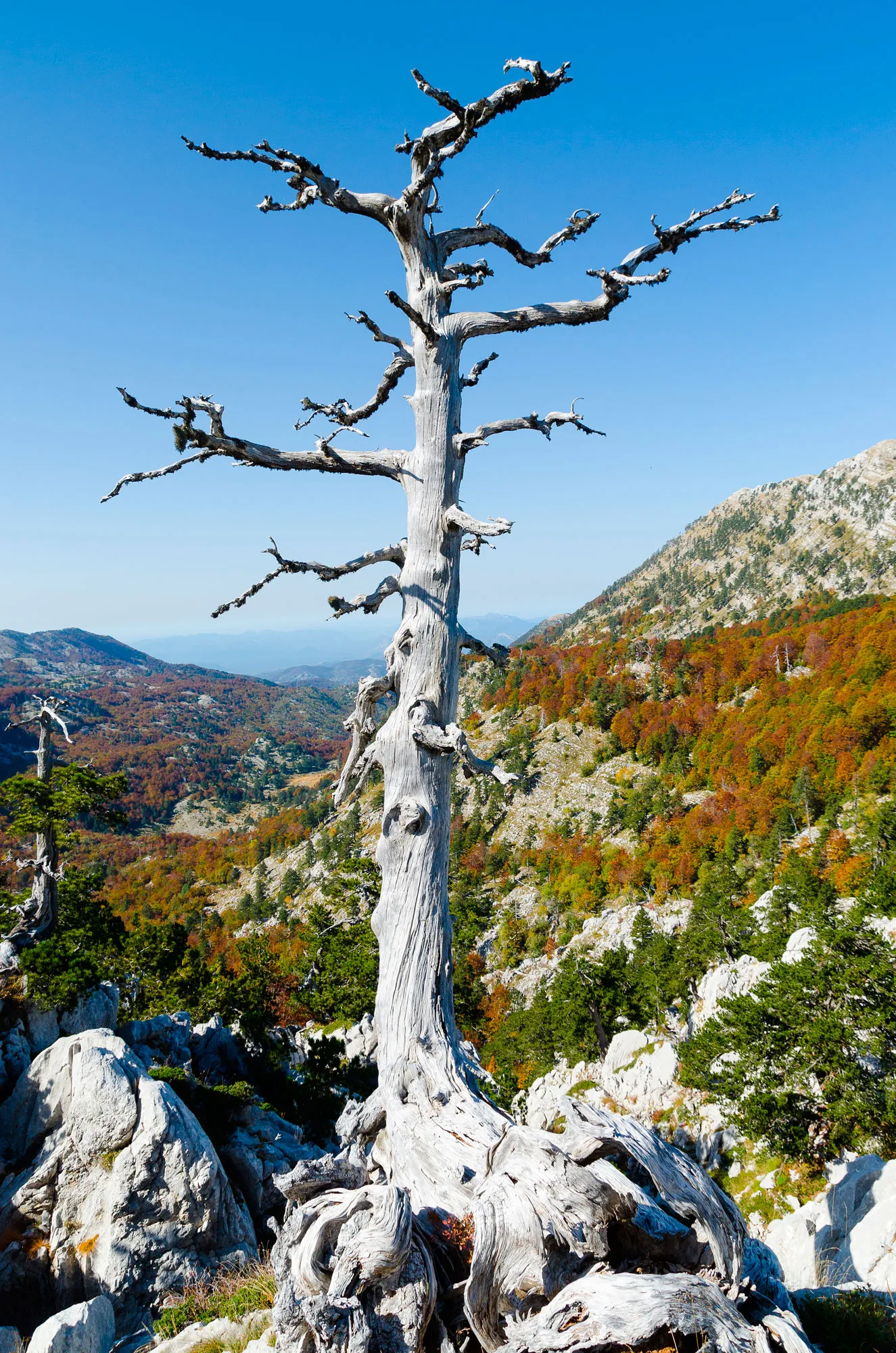
A special place within Orjen’s flora belongs to the Bosnian pine (Munika), an endemic conifer species of the Pinaceae family found only in the Balkans. Its populations on Orjen are considered by botanists to be among the most valuable and significant habitats of this rare species.
Its rocky, sunny slopes are also home to the nose-horned viper, one of Europe's most venomous snakes – watch where you step and place your hands, wear high footwear, and never touch a snake if you encounter one. In case of a bite, stay calm and seek medical help as soon as possible.
Interesting Facts
Practical Information
Eco Tourism