

Woodcarving Museum



Description
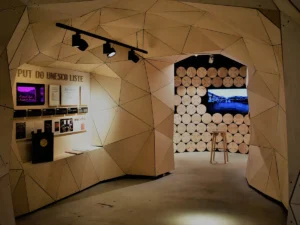
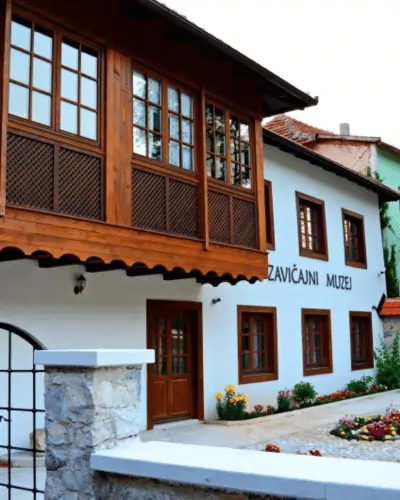
The Woodcarving Museum in Konjic is a unique cultural institution dedicated to the centuries-old tradition of Konjic woodcarving, which was inscribed on the UNESCO List of the Intangible Cultural Heritage of Humanity in December 2017. Opened in June 2019, it was created in cooperation between the brand Zanat – the heir to the famous Nikšić family – and the Normal Architecture studio from Sarajevo, with support from the EU Office in BiH.
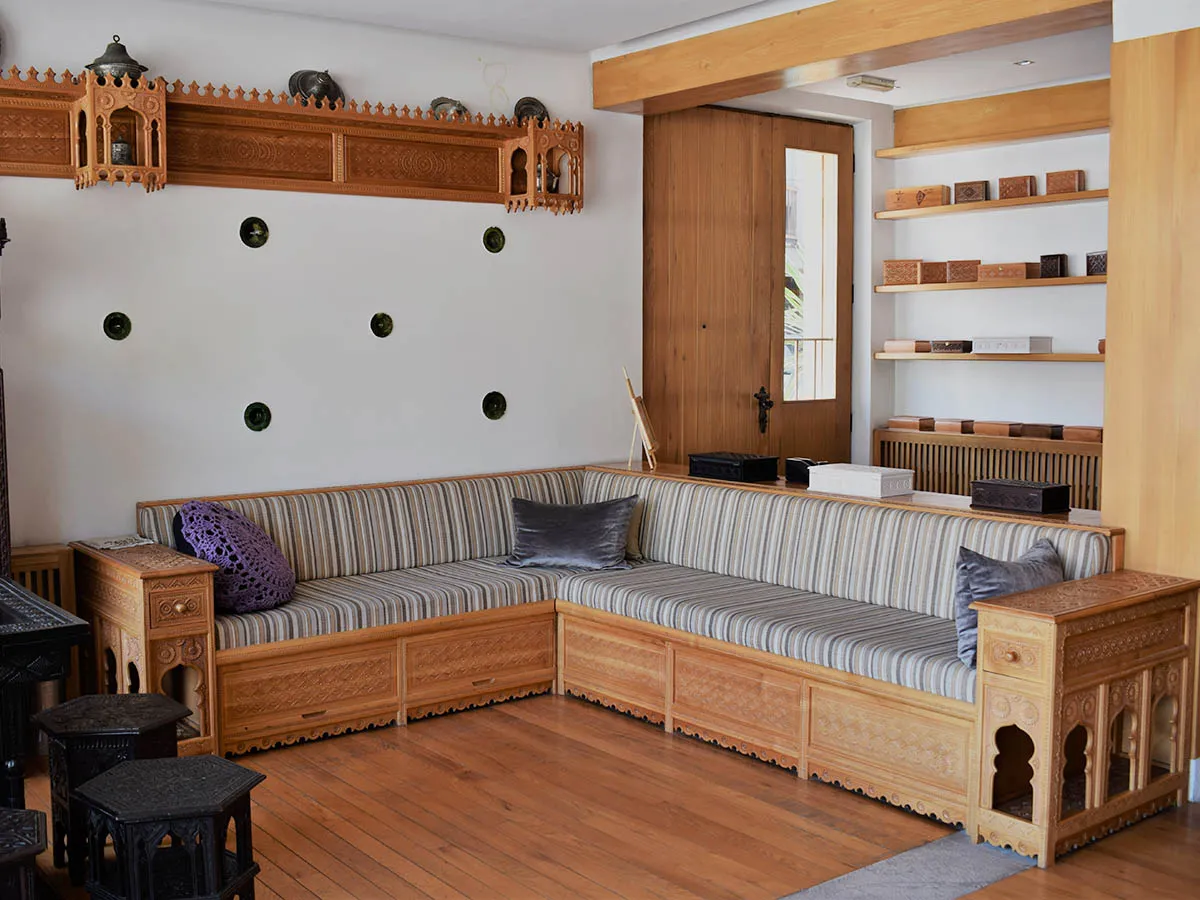
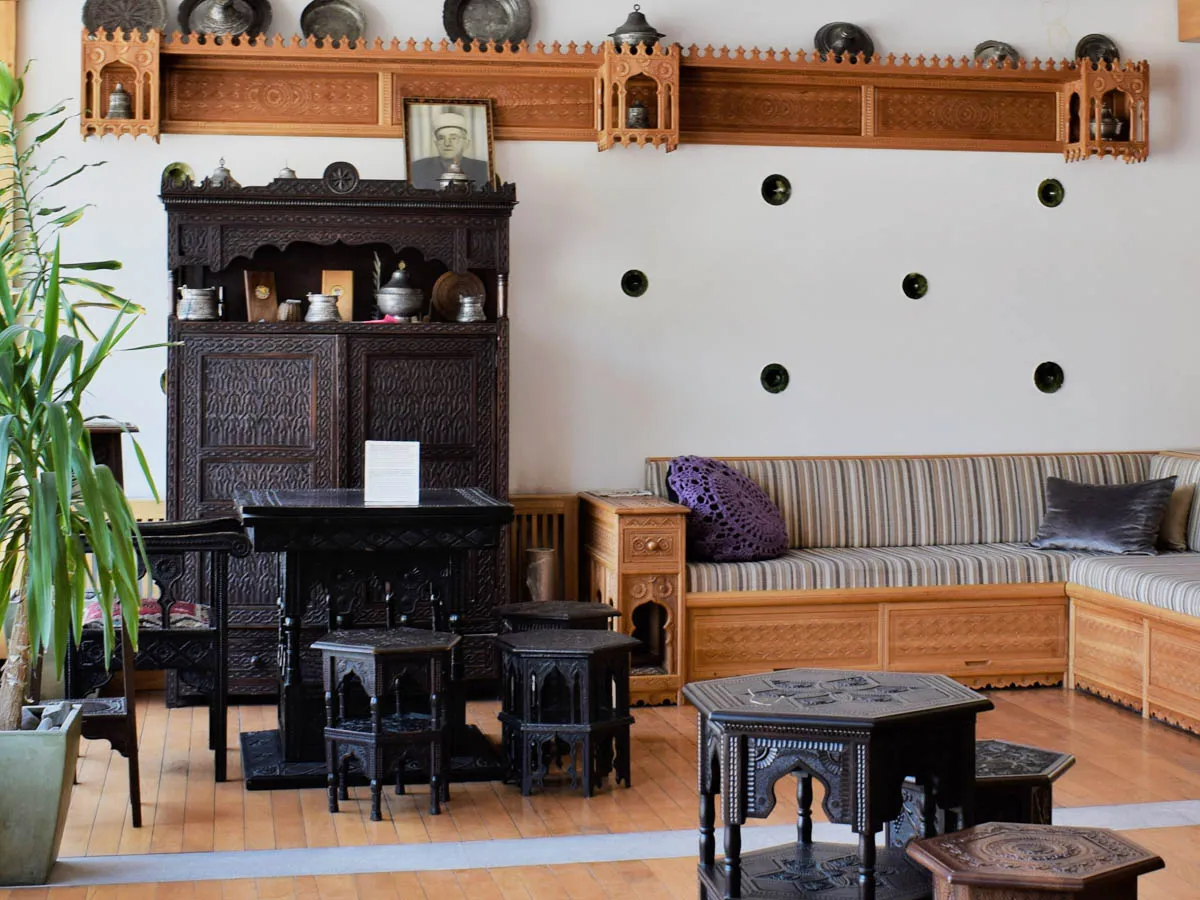
The museum offers insight into the life and work of Konjic woodcarvers, the tools and techniques they used, and the journey of the craft through centuries and wars. Special emphasis is placed on two families – Nikšić and Mulić – who made Konjic woodcarving world-renowned and passed it down from generation to generation since the late 19th century. In 2022, the museum was awarded the Živa Award for the best Slavic museum, as well as the Luigi Micheletti Award of the European Museum Academy for the best museum in Europe.
A Craft That Survived Everything
Konjic woodcarving is not just a craft – it is also proof of something deeper: that beauty and skill can survive wars, changes of government, and shifts in economic systems. The Nikšić family registered the company as early as 1927, furnishing the salons of distinguished families across the Kingdom of Yugoslavia.
The works of Konjic masters were exhibited at world fairs in Budapest, Brussels, Vienna, and Paris as early as the late 19th century. Bren Zanat, which continues this tradition today, combines centuries-old handcraft with the design of Scandinavian partners, resulting in products that win awards at the world’s most prestigious design fairs.
The Museum and Its Vision
The Woodcarving Museum was founded with a clear mission: to preserve the memory of all generations of craftsmen who passed their knowledge on to their successors and to show that this craft is still alive today. A visit to the museum is not passive sightseeing – it is a meeting with tools, techniques, and stories that cannot be learned from books.
Conceptually and architecturally, the museum was designed and realized as a unique space, and international recognition came quickly: in 2022, it was awarded both as the best Slavic museum (the Živa Award) and as the best museum in all of Europe (the Luigi Micheletti Award of the European Museum Academy).