


Tavna Monastery




Description
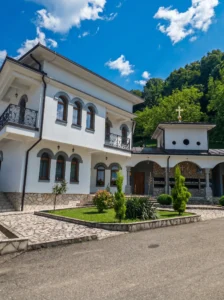
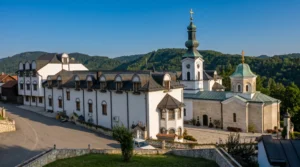
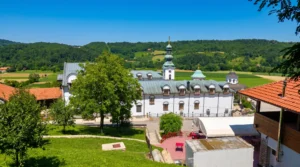
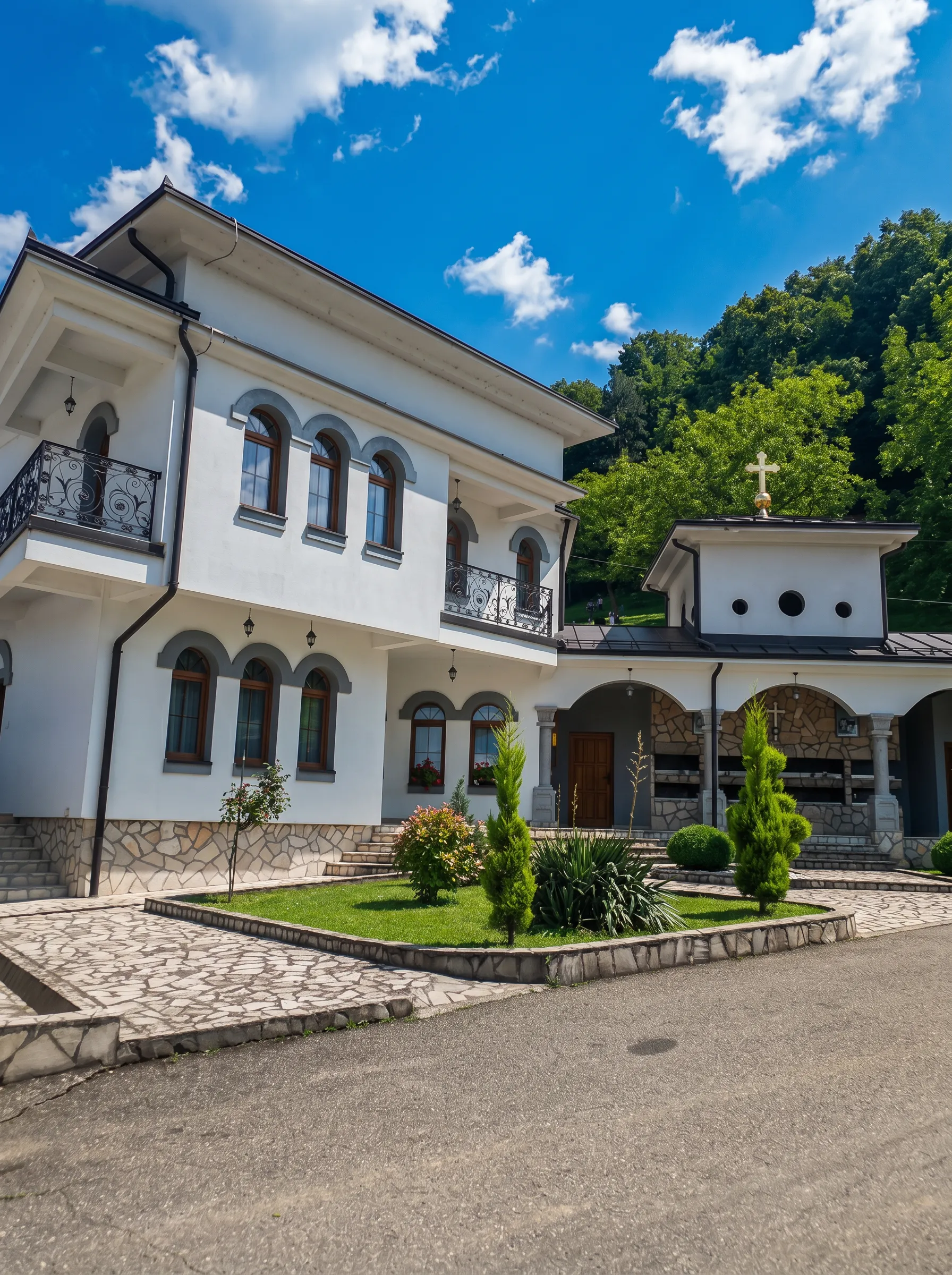
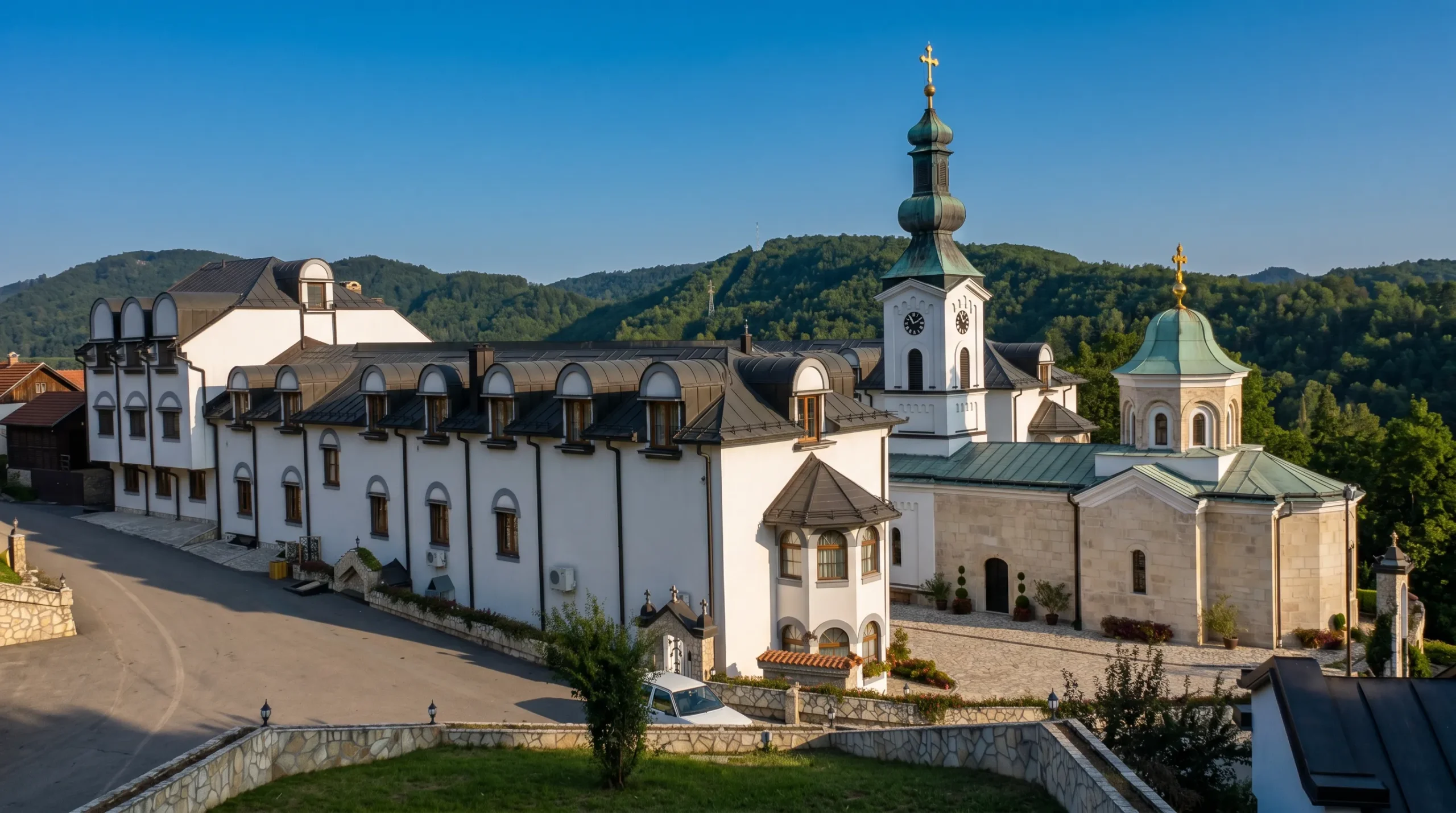
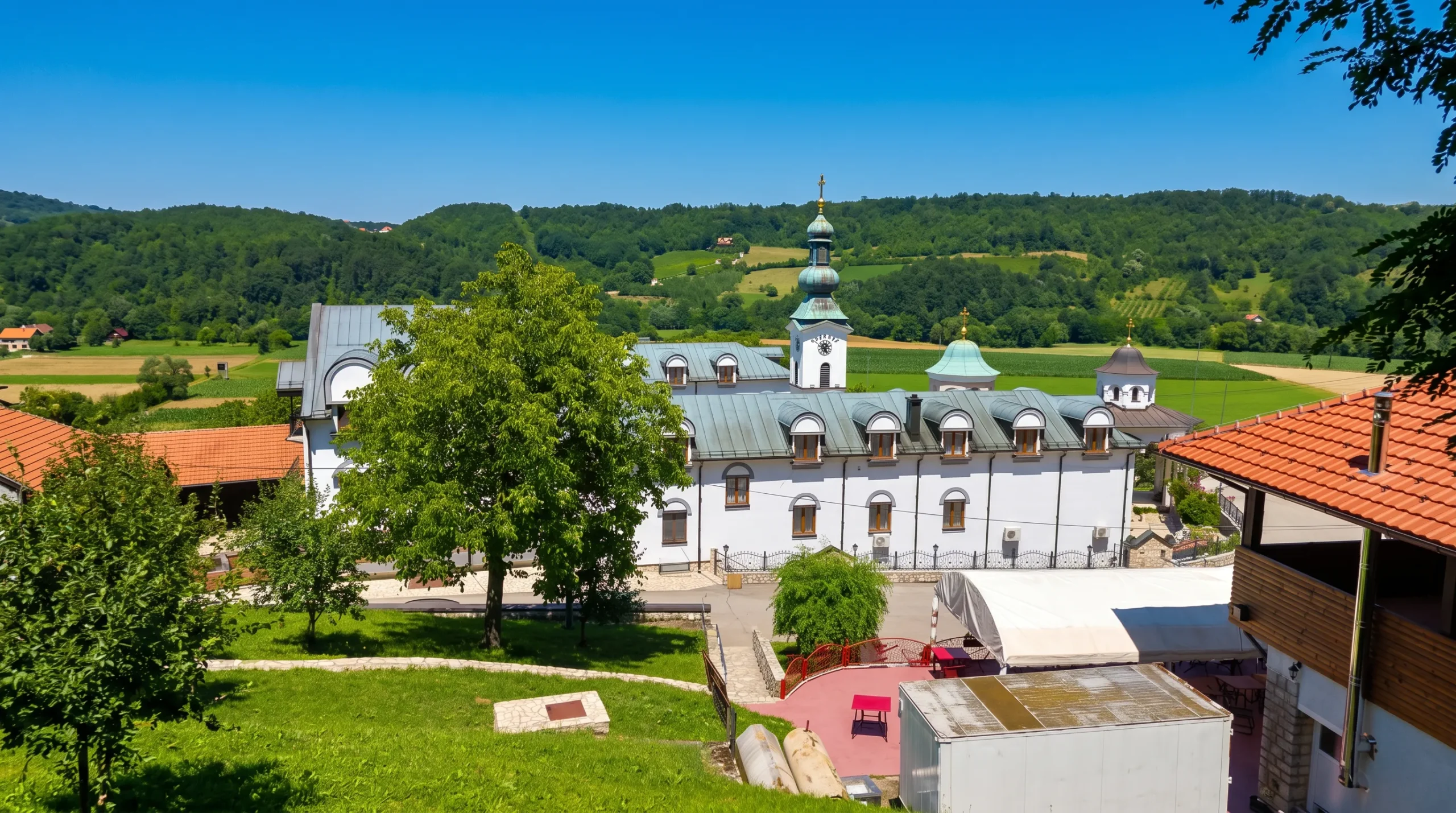
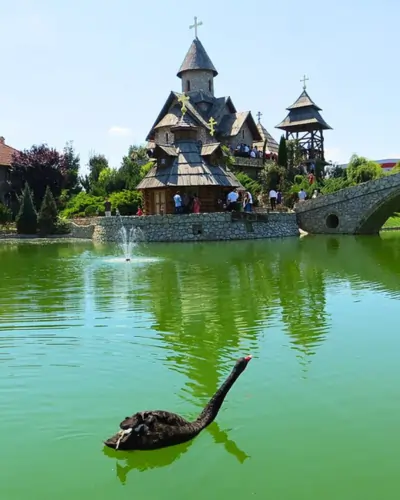
Tavna Monastery is one of the oldest monasteries in Semberija and Majevica, located in the village of Banjica in the area of the city of Bijeljina, at the tri-border area of Bijeljina, Zvornik, and Ugljevik, at the foot of Majevica mountain. Its construction is attributed to the Nemanjić dynasty, and the Tronoša and Peć chronicles state that it was built by the sons of King Dragutin – Vladislav and Urošić. It is mentioned in Ottoman tax registers from 1533, and from 1548 explicitly as a monastery.
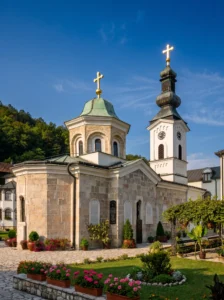
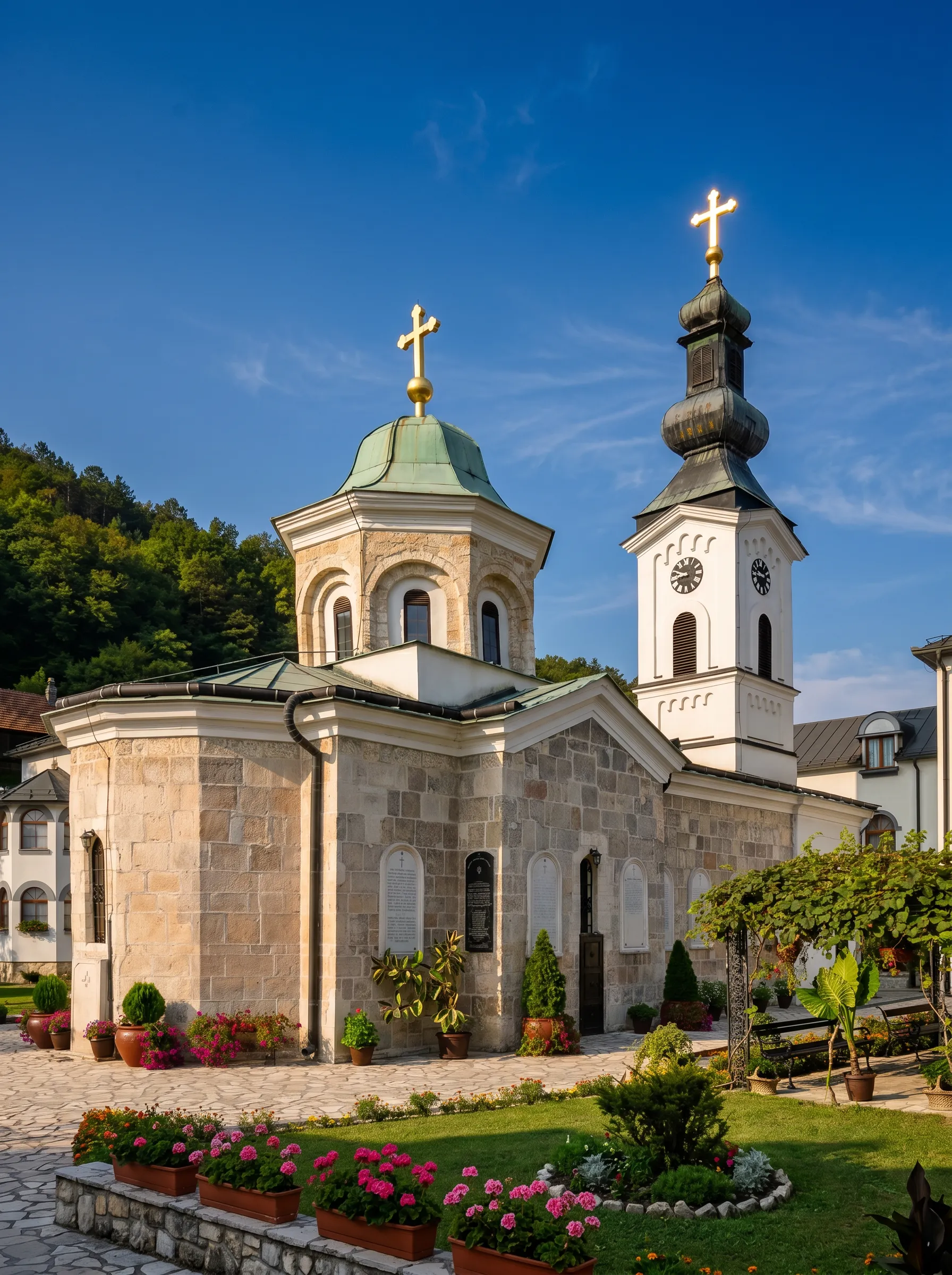
The Church of the Holy Trinity is a single-nave temple with a dome, probably painted in the early 17th century. The monastery preserves a Holy Bible older than 350 years – the only book saved from the old library of 10,000 titles. One of the bells was donated by King Alexander the Unifier. Tavna is a women's monastery belonging to the Eparchy of Zvornik-Tuzla and has been declared a national monument of Bosnia and Herzegovina.
The monastery and its surroundings
Tavna Monastery has always been a spiritual and cultural pillar of the Serbian people of Semberija and Majevica. A school operated next to the church in the 18th and 19th centuries, considered the first school in the Semberija area – young men were prepared here for the priesthood, and children studied here until 1966.
Through the centuries, the monastery was restored by hajduks, according to tradition by Starina Novak and Radivoje, by abbots who remained at their post despite threats, and by the people who kept returning to rebuild what had been destroyed. The fountain in the monastery courtyard, whose spring no one knows the origin of, is a symbolic witness to that unbroken bond between the place and the people.
The monastery's treasures
The most precious item in Tavna Monastery is a Holy Bible more than 350 years old – the only book that survived the destruction when the monastery library of 10,000 titles was burned in World War II. The Church of the Holy Trinity preserves a vivid painting from the early 17th century that, in style and execution, resembles the frescoes of Žitomislić and Ozren monasteries.
In the domed space are the figures of Christ Pantocrator, eight Old Testament prophets, and four Evangelists, while the apse features the Mother of God. The monastery was enriched with the relics of Saint Bishop Nikolaj of Ohrid and Žiča when Bishop Fotije arrived, and the bell donated by King Alexander the Unifier still rings for services today.