



Čitluk



Basic Information
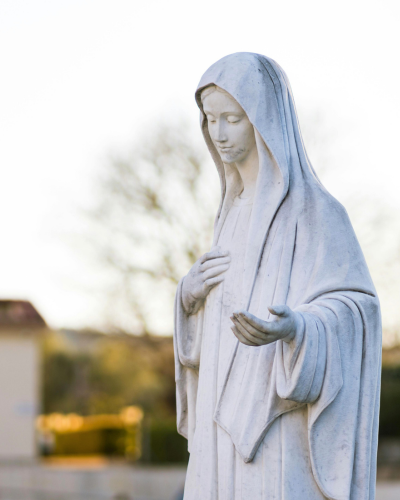
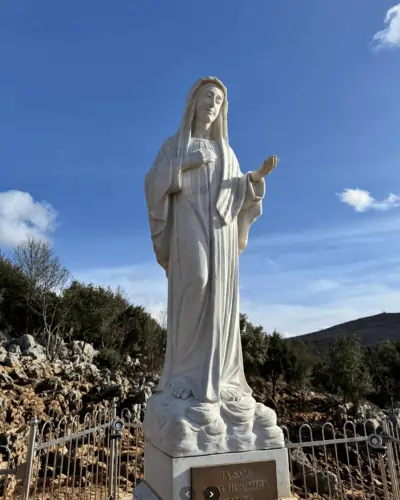
The municipality of Čitluk covers the Brotnjo plateau, known for its red soil ideal for growing indigenous grape varieties - Žilavka and Blatina. The central point of the municipality is Međugorje, one of the most visited Catholic shrines in the world, which attracts millions of pilgrims every year to Apparition Hill and Križevac. In addition to religious tourism, Čitluk is positioning itself as a wine tourism destination with numerous modern cellars and traditional Herzegovinian villages. The gastronomic offer based on local cheese, prosciutto, and fritters, along with the hospitality of the local people, makes this area perfect for anyone seeking a blend of spirituality, tradition, and top-quality local products in a peaceful setting.
Guide for Tourists Visiting Bosnia and Herzegovina


Spring
Take advantage of the pleasant temperatures for a climb to Apparition Hill and Križevac before the strong Herzegovinian heat arrives.

Summer
Take part in Mladifest in August, with evening prayer programs that offer a special sense of spiritual peace.

Autumn
It's time for the "Grape Harvest Days"; visit local wineries and taste young Žilavka and Blatina.

Winter
Experience the Christmas nativity scene and festive atmosphere in peace, with the authentic hospitality of local families.
Most Popular Activities






Culture