





Gastronomy of Bosnia and Herzegovina
Bosnia and Herzegovina offers flavors that stay with you long after the journey ends. From aromatic grilled dishes and meals prepared under the sač to rich pies, cheeses, desserts, and traditional drinks, every region of the country delivers an authentic experience for all the senses. Here, food is not just a meal — it is an important part of culture, hospitality, and everyday life.
Ćevapi, burek, sogan-dolma, japrak, klepe, and Bey’s soup are just some of the dishes that have become recognizable symbols of local cuisine.
Ćevapi – The Undisputed Number One
What are ćevapi and how are they served?
Ćevapi are not only one of the most famous dishes in Bosnia and Herzegovina, but also a true symbol of local gastronomy and the enjoyment of simple yet perfectly balanced flavors. Few dishes spark so much emotion, debate, and local pride at the mere mention of their name. Whether you eat them in an old town center, during a journey through a small town, or in a favorite ćevabdžinica recommended by a local, ćevapi are an experience that stays in memory.
Although they may seem simple at first glance, good ćevapi require serious knowledge, experience, and a sense of balance. Ground meat and a grill alone are not enough. The ratio of different meats, the preparation process, the resting time of the mixture, shaping, and of course grilling, all play an important role. Another great secret is the somun bread. In Bosnia and Herzegovina, ćevapi are rarely separated from somun, which must be soft, warm, lightly toasted, and good enough to absorb the meat juices without falling apart.
Types of ćevapi in Bosnia and Herzegovina
Although many visitors see them as one single dish, Bosnia and Herzegovina has several local variations, each with its own identity and loyal fans. Ćevapi differ across regions depending on the type of meat used, the preparation method, and the way they are served.
Different ingredients, same enjoyment.
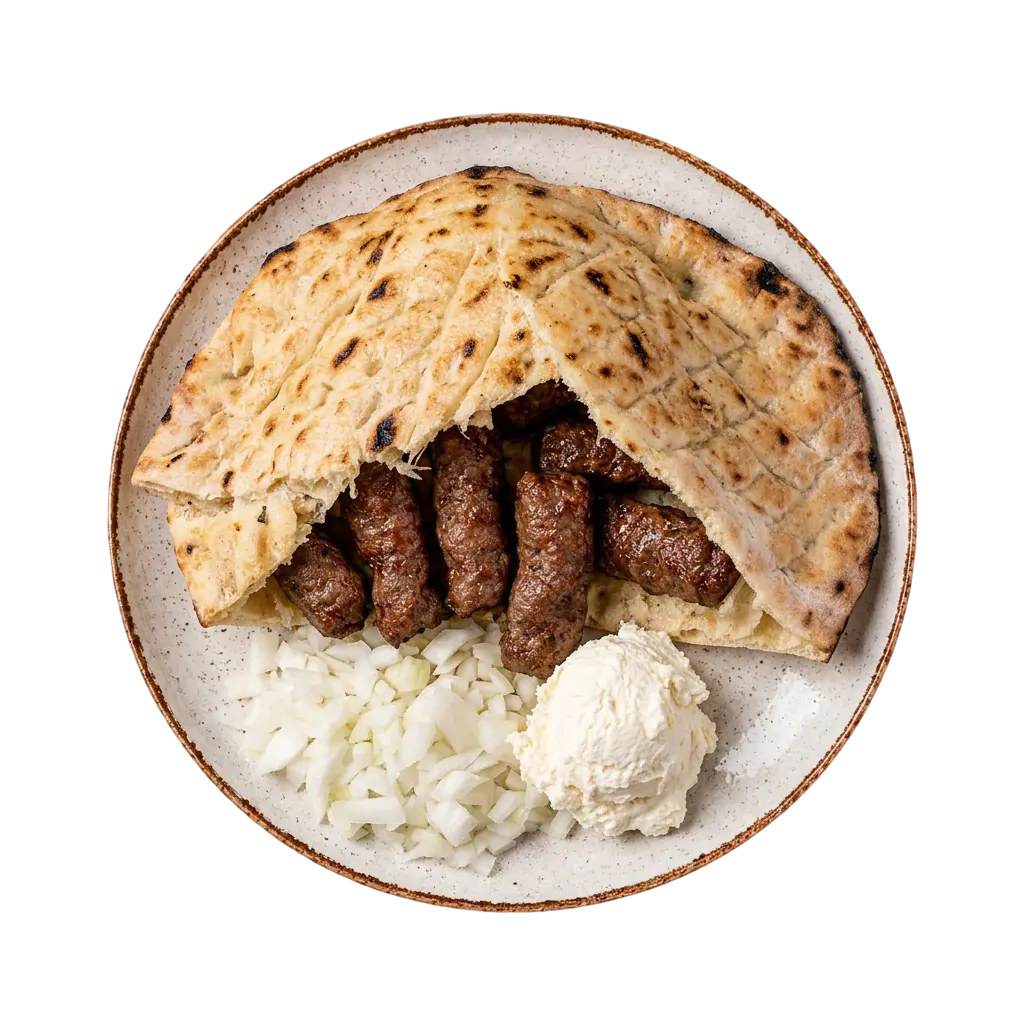
Sarajevo Ćevapi
Sarajevo ćevapi are one of the most recognizable gastronomic symbols of Bosnia and Herzegovina. They are known for their smaller size, juicy texture, and serving style in somun bread with chopped onions and kajmak.
Traditionally, they are served in warm somun bread toasted on the ćevapi grill, allowing the bread to absorb the meat juices and gain a unique flavor.
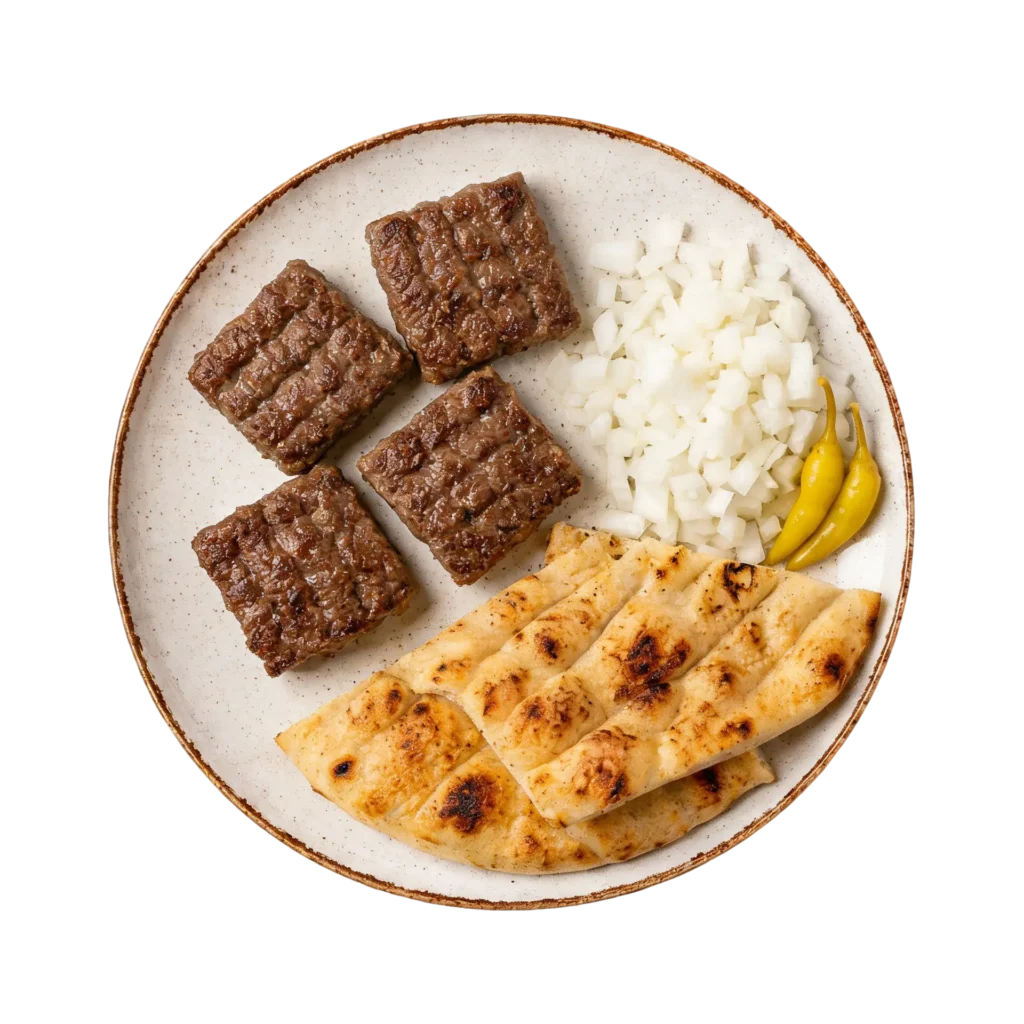
Banja Luka Ćevapi
Banja Luka ćevapi differ from others because they are connected into distinctive rows of meat. They have a slightly stronger flavor and are often prepared using a combination of different meats, giving them a unique aroma.
Traditionally, Banja Luka ćevapi are shaped into connected groups of four, making them easily recognizable among all types of ćevapi in the Balkans.
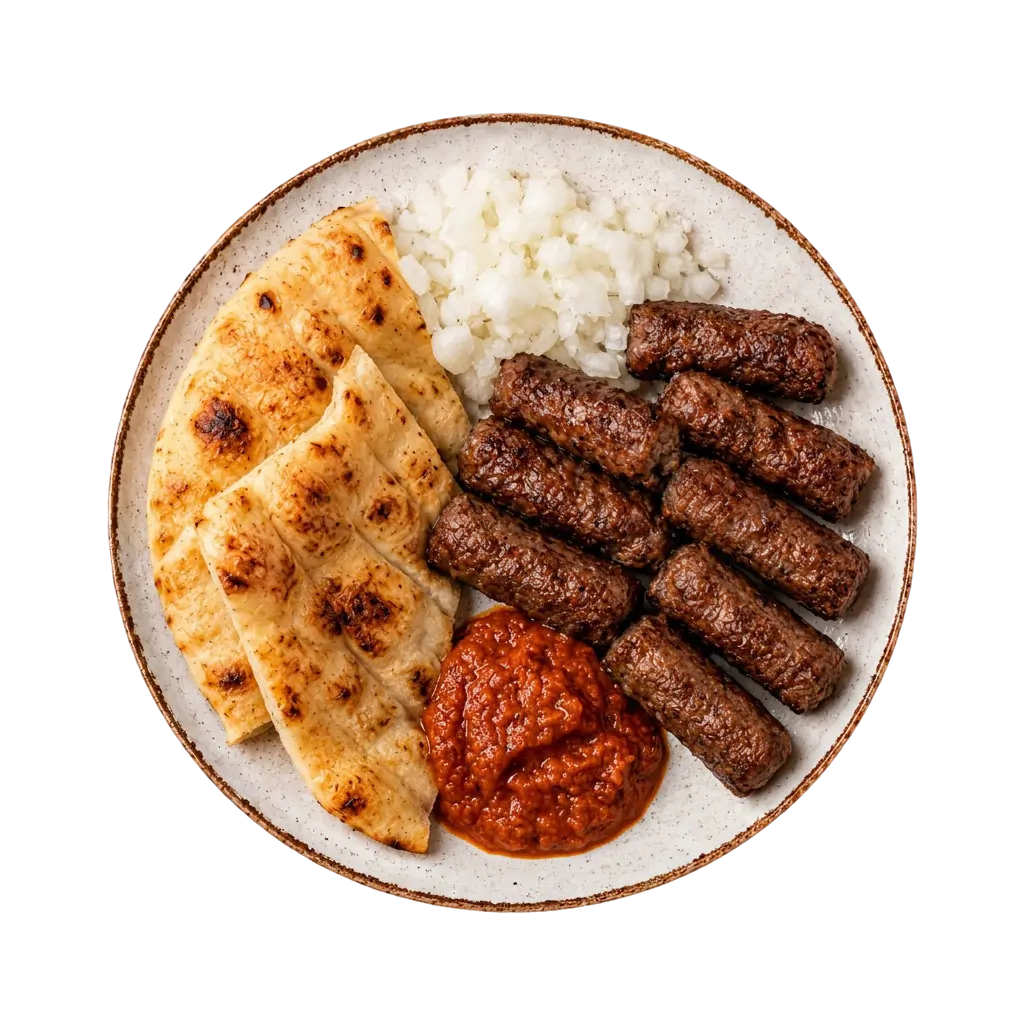
Travnik Ćevapi
Travnik ćevapi are known for their slightly stronger seasoning and especially tender meat. They are often served in homemade somun bread with plenty of onions, and many consider them to be among the juiciest ćevapi in Bosnia and Herzegovina.
Travnik is famous for its large number of traditional ćevabdžinicas, and the recipes are often passed down through generations within families.
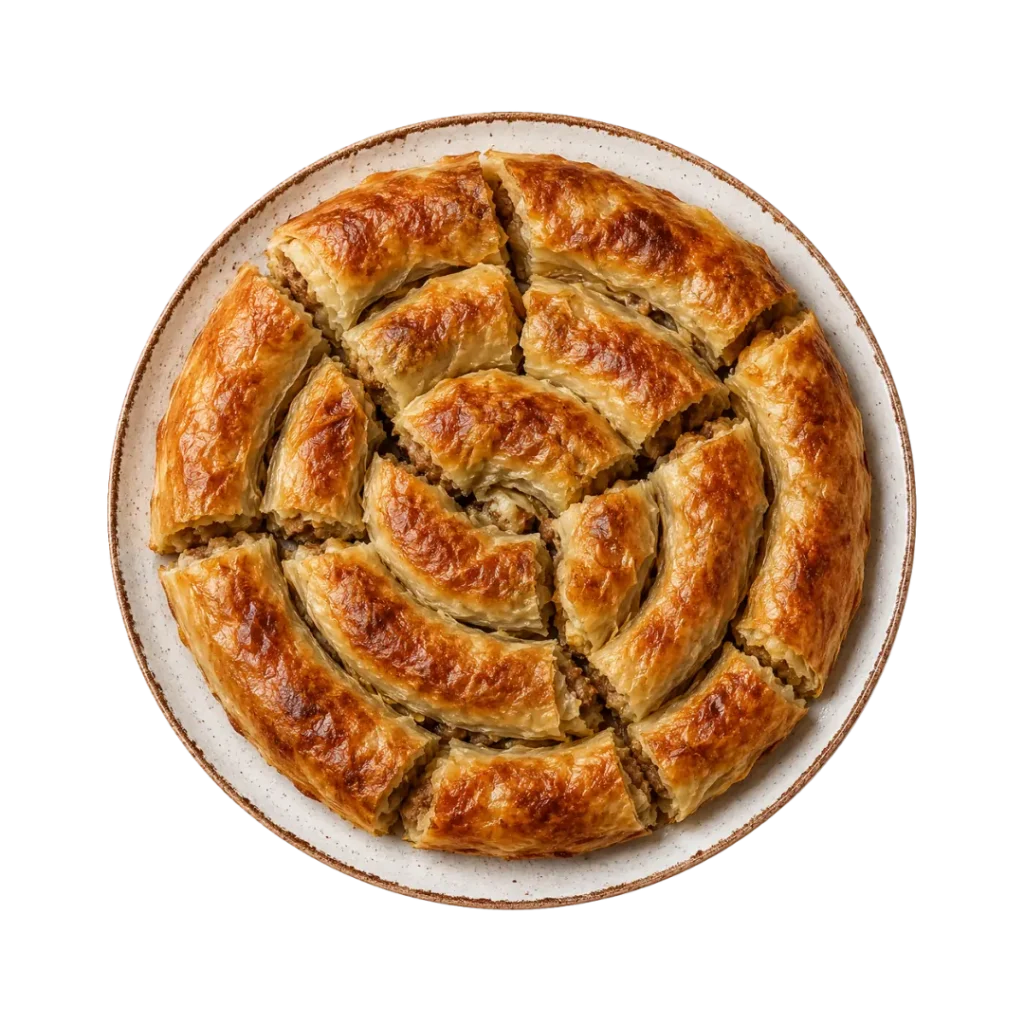
Burek
Burek is one of the most famous traditional dishes in Bosnia and Herzegovina and an essential part of everyday gastronomy. It is made from thin pastry layers filled with juicy minced meat and baked until it develops its recognizable golden and crispy crust. In Bosnia and Herzegovina, the name “burek” refers exclusively to a meat-filled pie, while other types of pies have their own names such as sirnica, zeljanica, or krompiruša.
In traditional Bosnian cuisine, burek refers exclusively to a meat pie. All other pies have their own specific names.
Sarma
Sarma is one of the most famous traditional dishes in Bosnia and Herzegovina and an essential part of local cuisine during winter, holidays, and family gatherings. It is made from pickled cabbage leaves stuffed with a mixture of minced meat, rice, and spices, slowly cooked for hours to achieve its rich and recognizable flavor.
In many homes across Bosnia and Herzegovina, sarma is an essential dish during winter, holidays, and large family lunches.

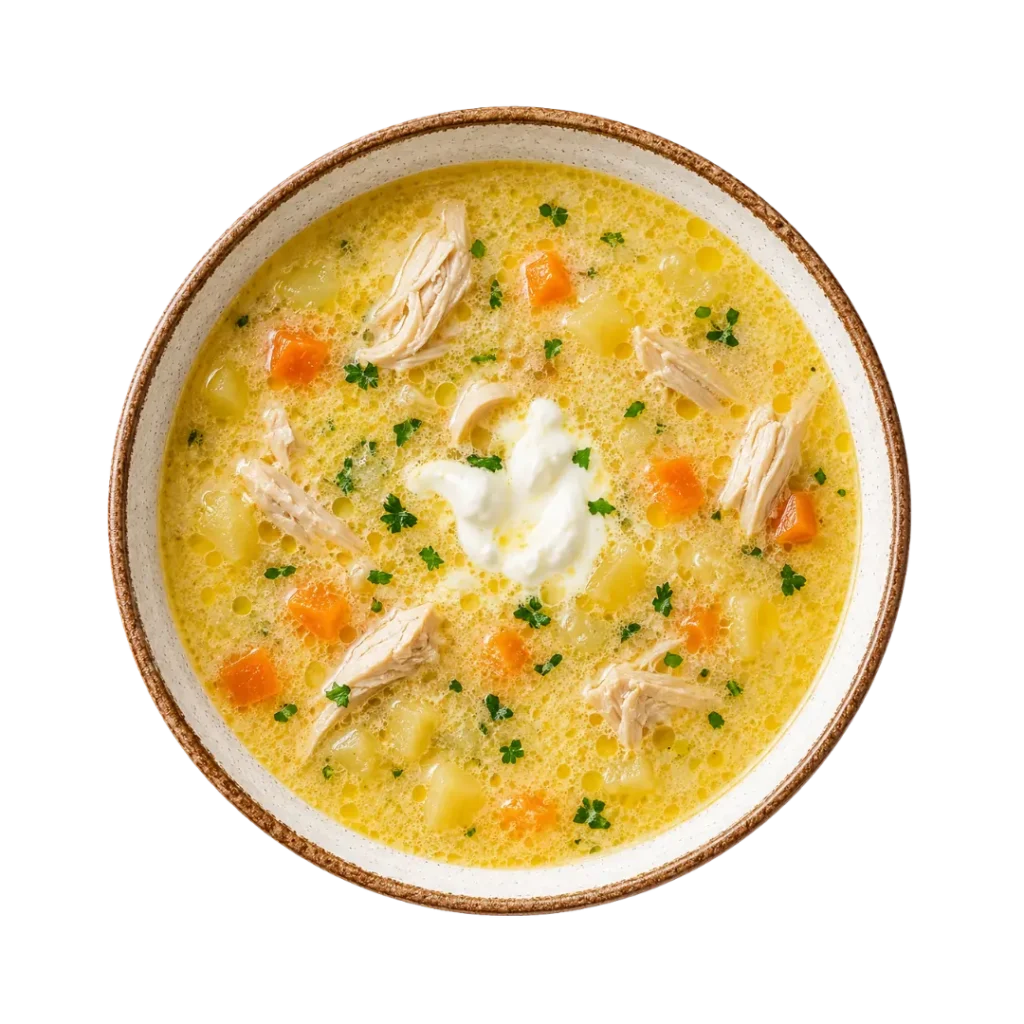
Bey’s Soup
Bey’s soup is one of the most famous traditional dishes in Bosnia and Herzegovina and an important part of Bosnian cuisine. This thick and aromatic soup is prepared with chicken, okra, and carefully selected spices, and is known for its rich flavor and creamy texture. It was once served in the courts of Bosnian beys, which is how it got its name, and today it remains an essential part of traditional restaurants and family meals throughout the country.
Bey’s soup was once prepared in wealthy bey households and was considered a dish for special occasions.
Bosnian Pot
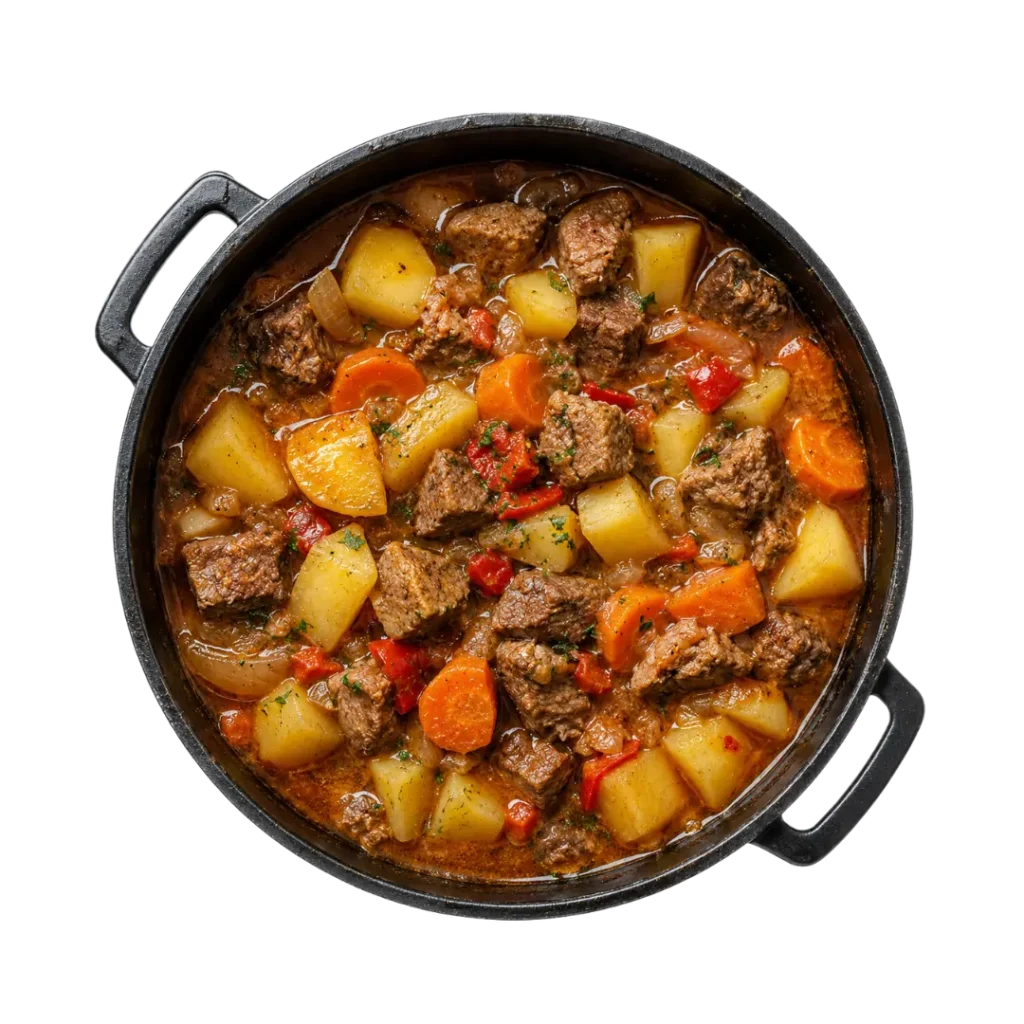
Bosnian pot is one of the oldest and most famous traditional dishes in Bosnia and Herzegovina. It is prepared through long and slow cooking of different types of meat and vegetables layered together, giving the dish its rich, natural, and recognizable flavor. In the past, it was prepared in large clay or metal pots over open fire, especially during family gatherings and outdoor work.
In the past, it was often prepared in large pots hanging above the fire during farm work or family gatherings in nature.
Roasted Lamb
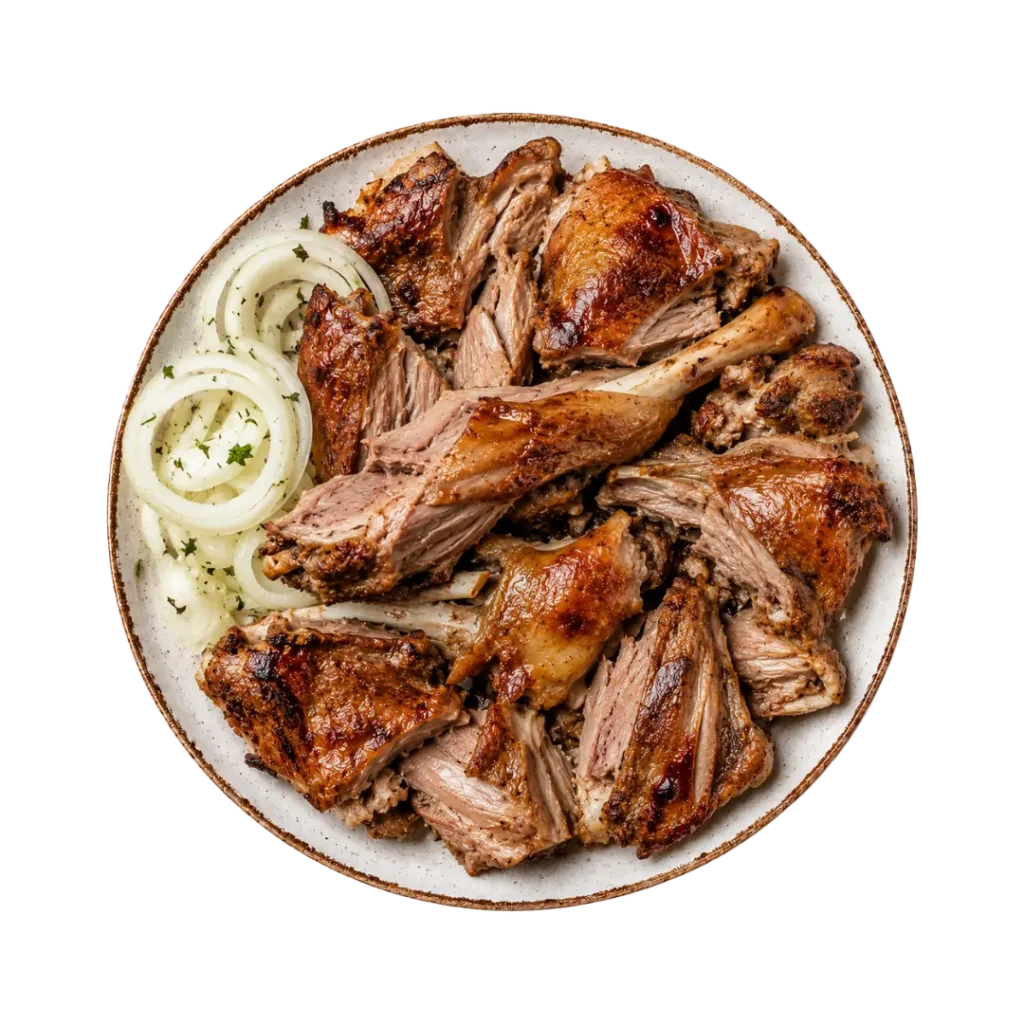
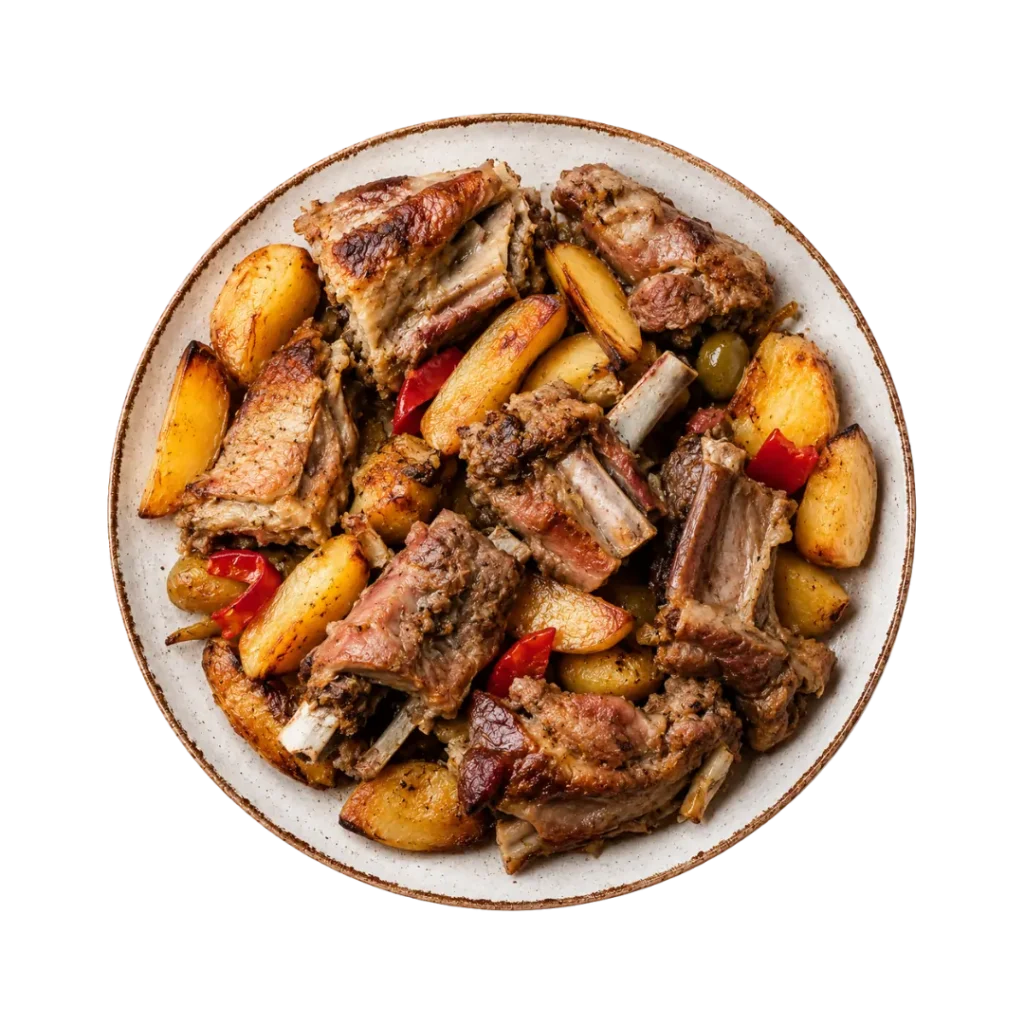
Roasted lamb is one of the most famous traditional dishes in Bosnia and Herzegovina and an essential part of large gatherings, celebrations, and journeys across the country. It is prepared by slowly rotating a whole lamb over fire or charcoal, giving the meat exceptional juiciness, a crispy crust, and a recognizable smoky aroma. This specialty is especially popular in mountainous regions and restaurants along main roads, where the smell of roasting meat often attracts travelers from across the region.
The lamb is roasted for hours with constant and even rotation, allowing the meat to stay juicy while the crust becomes crispy.
Dishes Prepared Under the Sač
Dishes prepared under the sač are among the most authentic culinary specialties of Bosnia and Herzegovina. They are made by slowly roasting meat and vegetables under a metal or clay lid covered with hot embers, which gives the food exceptional juiciness, rich flavor, and a distinctive aroma.
The sač is a metal or clay lid under which food is cooked with embers. This cooking method has been used for generations across the Balkans.
The Most Famous Cheeses in Bosnia and Herzegovina
Livno Cheese
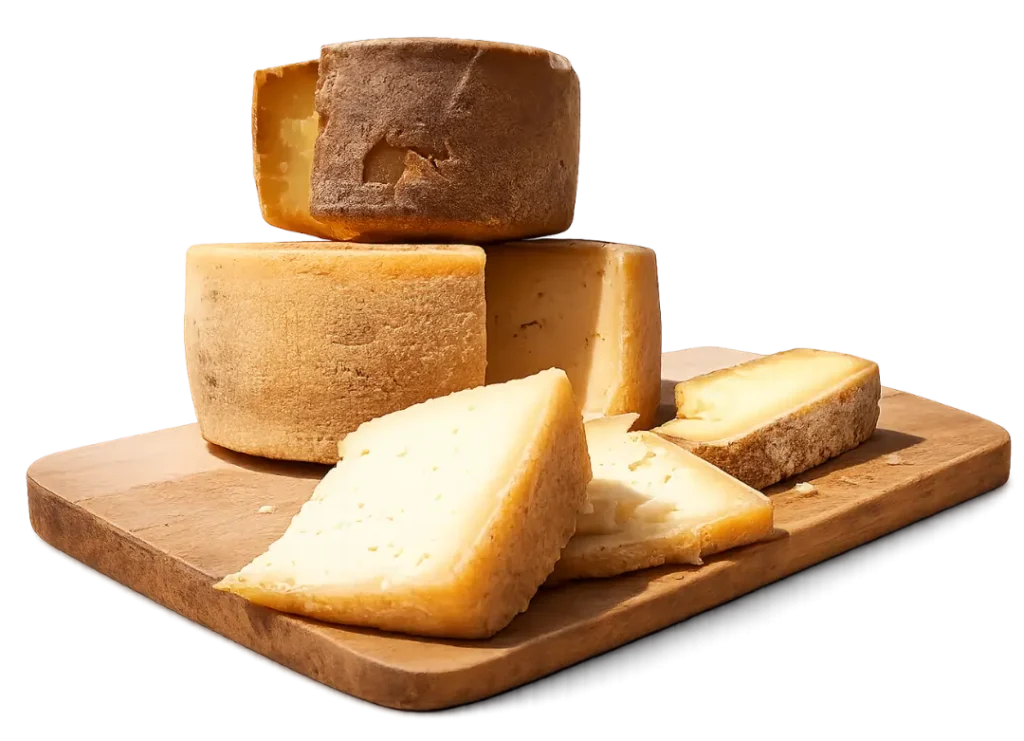
Livno cheese is recognizable for its rich, slightly nutty flavor and firm texture. It is traditionally made from cow’s milk, although it was often combined with sheep’s milk in the past, giving it additional aroma and depth of flavor. It is aged for several weeks or months, which allows it to develop a more intense character.
The tradition of Livno cheese production has lasted for more than 130 years.
Vlašić (Travnik) Cheese
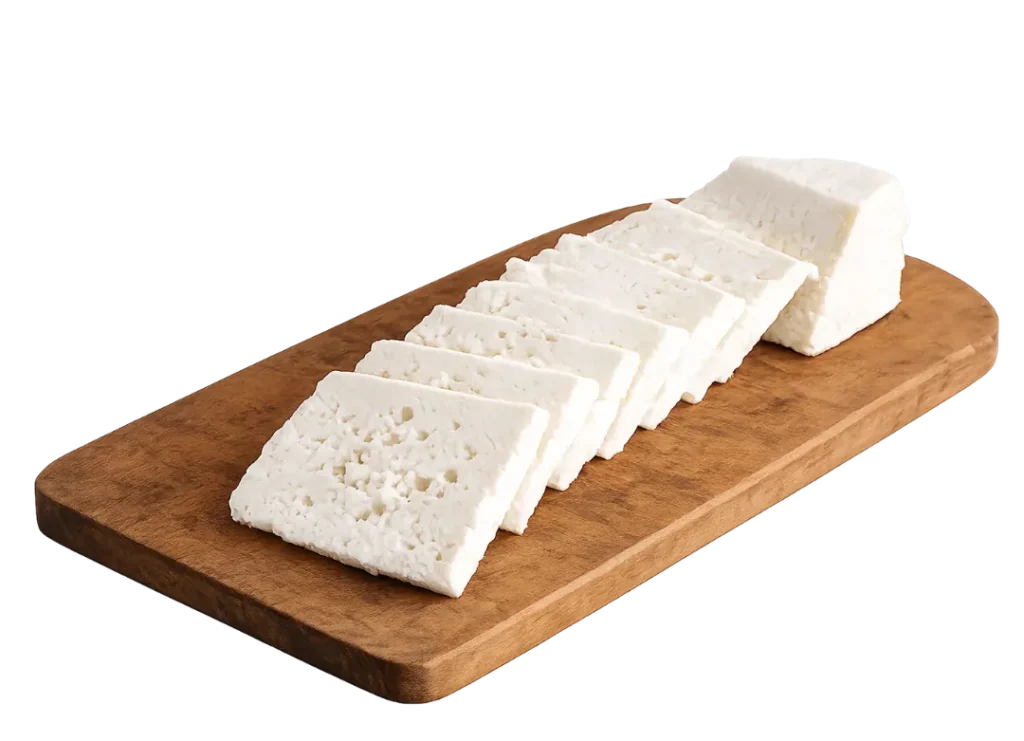
Vlašić cheese is a traditional sheep’s milk cheese known for its salty and intense flavor. It is mainly produced on Vlašić Mountain and is characterized by its white color, crumbly texture, and natural fermentation in brine. The aroma and flavor of this cheese strongly reflect mountain pastures and fresh herbs.
Vlašić cheese is traditionally stored in wooden containers or brine.
Trapist Cheese
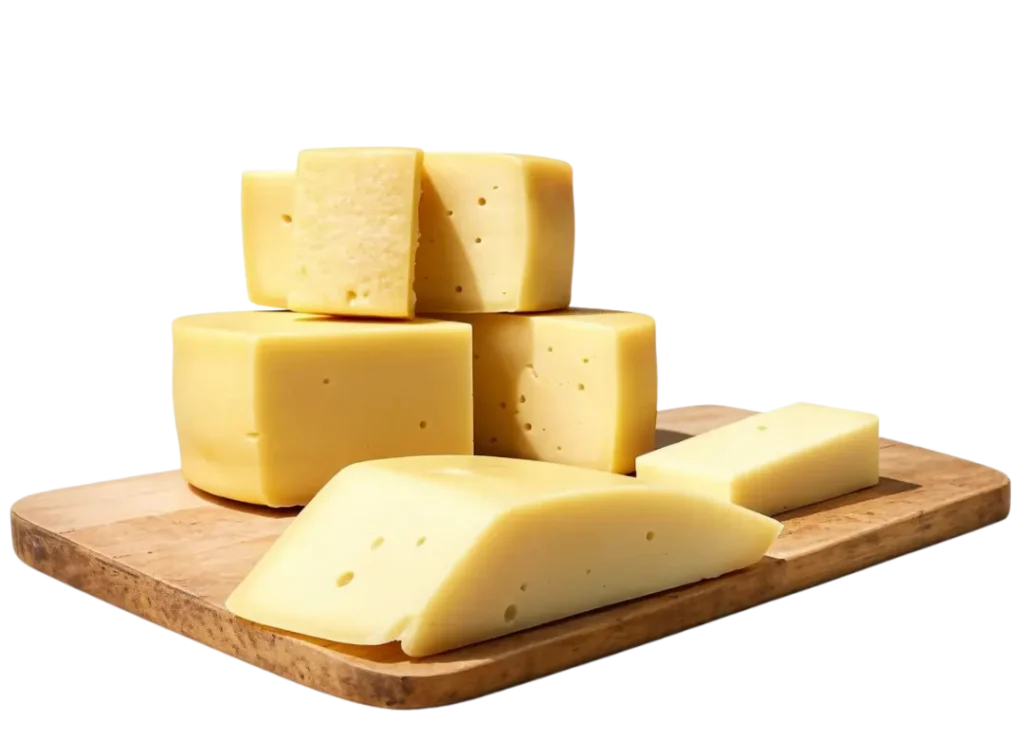
Trapist cheese is a semi-hard cheese with a mild and creamy flavor, known for its small holes and delicate aroma. Its recipe is connected to the Trappist monks who brought the tradition of cheese production to Bosnia and Herzegovina in the late 19th century. Today, it can be found in stores across the country.
The original Trapist cheese in Bosnia and Herzegovina was made by Trappist monks from the Maria Zvijezda monastery.
Something Sweet to Finish…
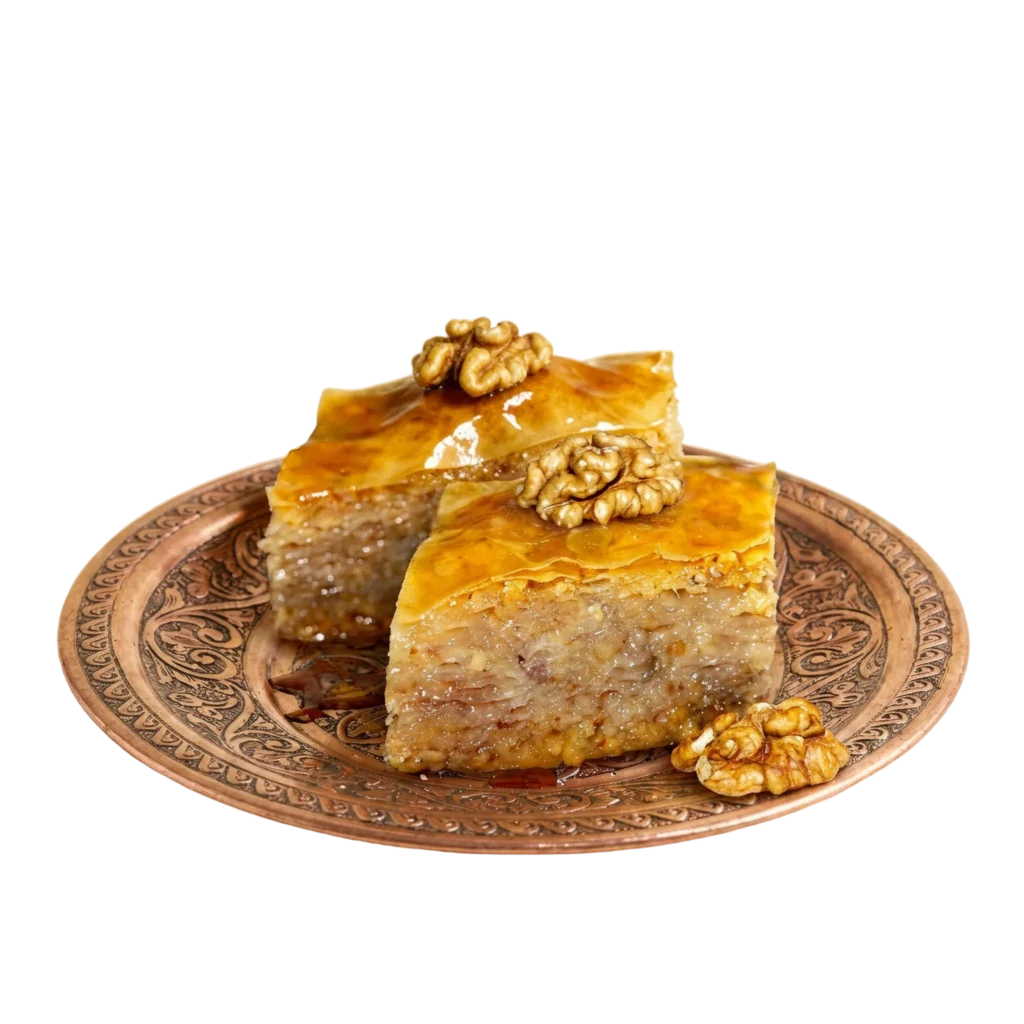
Baklava
Baklava is one of the most famous traditional desserts in Bosnia and Herzegovina. It is made from thin pastry layers, walnuts, and sweet syrup, and is known for its rich flavor, crispy layers, and essential place on holiday and family tables.
Baklava arrived in Bosnia and Herzegovina during the Ottoman period and today represents one of the most recognizable traditional desserts of local cuisine.
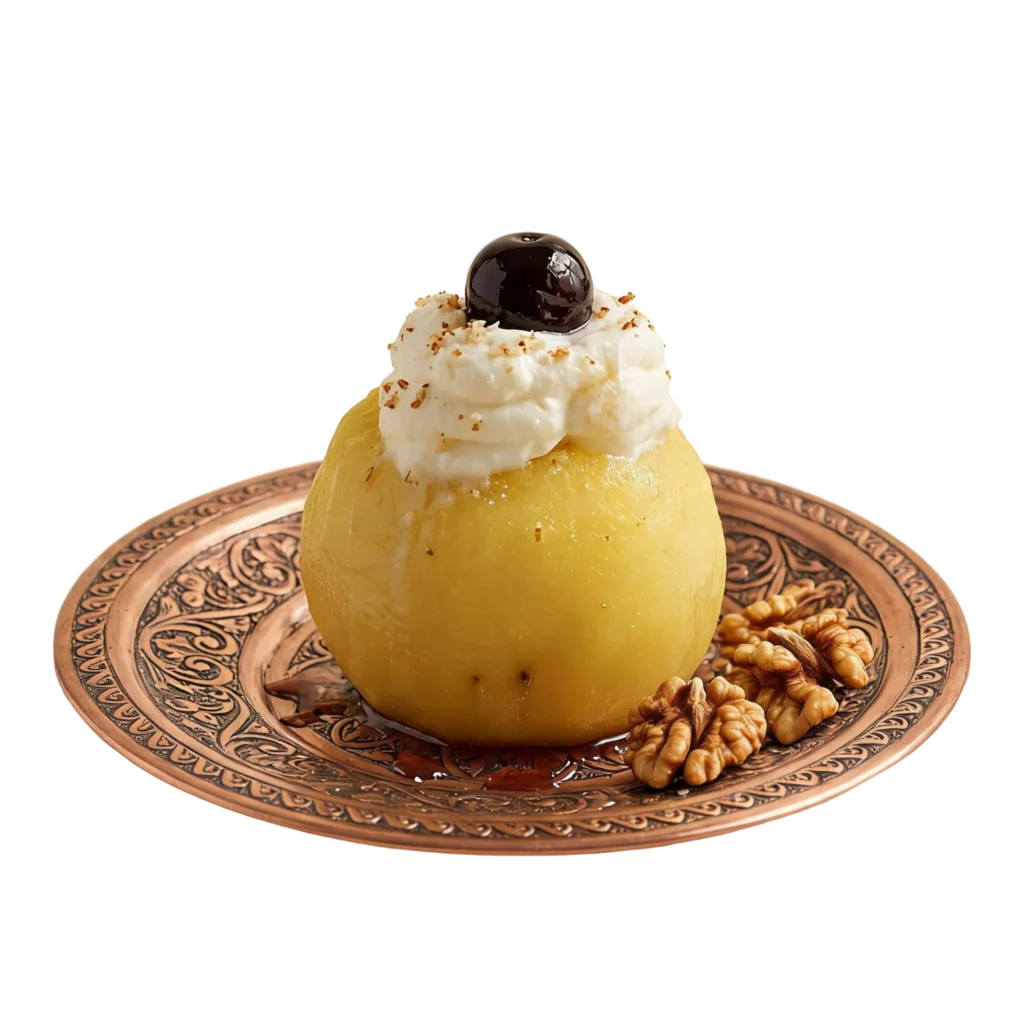
Tufahije
Tufahije are a traditional Bosnian dessert made from cooked apples stuffed with walnuts and topped with sweet syrup, often served with whipped cream. This light and aromatic dessert is known for its elegant appearance and refreshing flavor.
The name “tufahija” comes from the Turkish word for apple, and the dessert is considered one of the symbols of Oriental influence on Bosnian gastronomy.
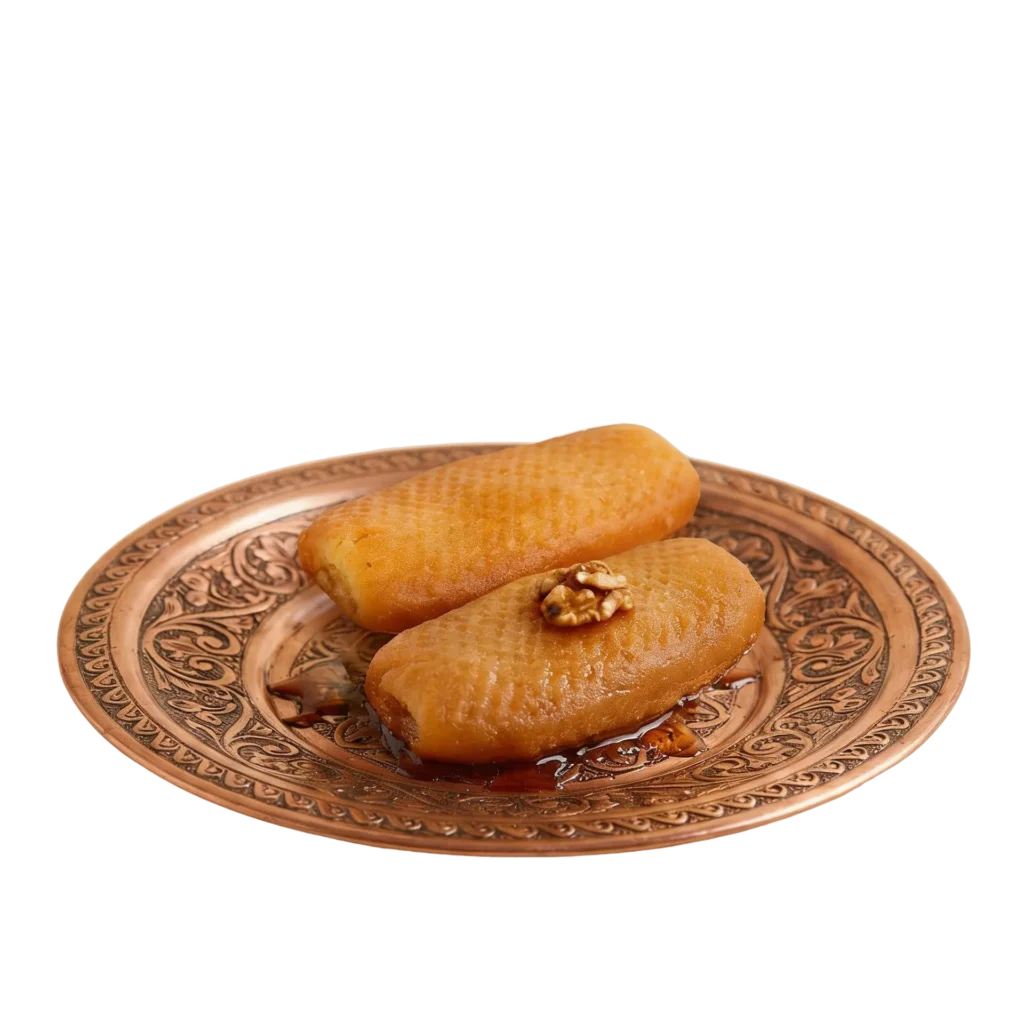
Hurmašice
Hurmašice are traditional Bosnian pastries made from simple dough that is soaked in sweet syrup known as agda after baking. They are famous for their soft and juicy texture and are a common part of holiday and family tables.
The pattern on hurmašice is traditionally made using a grater or special molds, giving each pastry its recognizable homemade appearance.
THE MOST FAMOUS BEERS IN BOSNIA AND HERZEGOVINA

Nektar Beer
The most famous beer from Banja Luka and one of the best-selling beers in Bosnia and Herzegovina, known for its fuller and more pronounced flavor. It is produced by the Banja Luka Brewery and is especially popular among fans of classic lager beers.
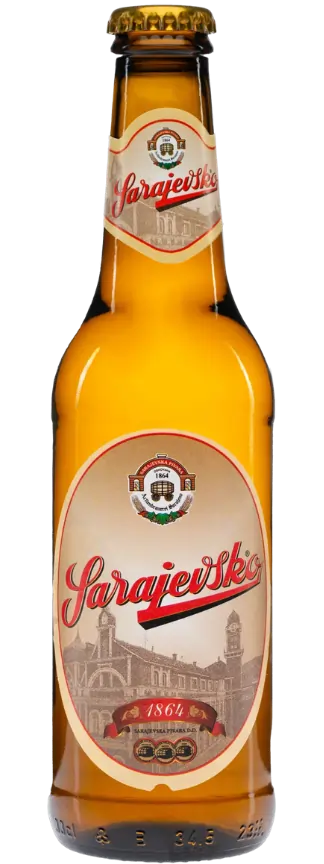
Sarajevsko Beer
One of the oldest beers in Bosnia and Herzegovina, known for its mild lager taste and a long tradition dating back to 1864. It is produced by Sarajevska pivara, one of the oldest breweries in Europe, one of the oldest breweries in Europe.
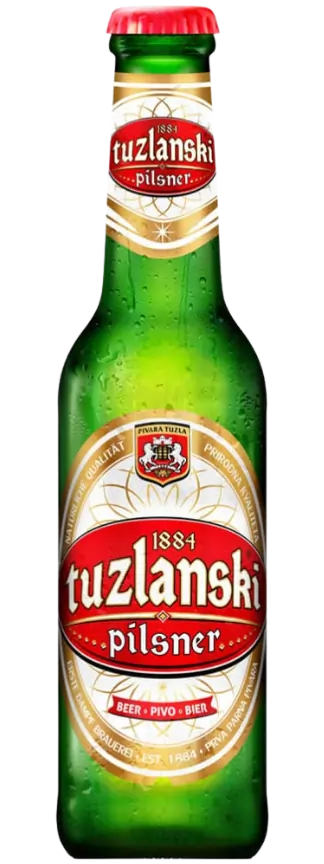
Tuzla Pilsner
A traditional beer from Tuzla that has been produced since 1884 and is known for its clean pilsner style and refreshing taste. Tuzla beer has a loyal audience throughout Bosnia and Herzegovina and has been exported to international markets in recent years.
THE MOST FAMOUS WINES IN BOSNIA AND HERZEGOVINA
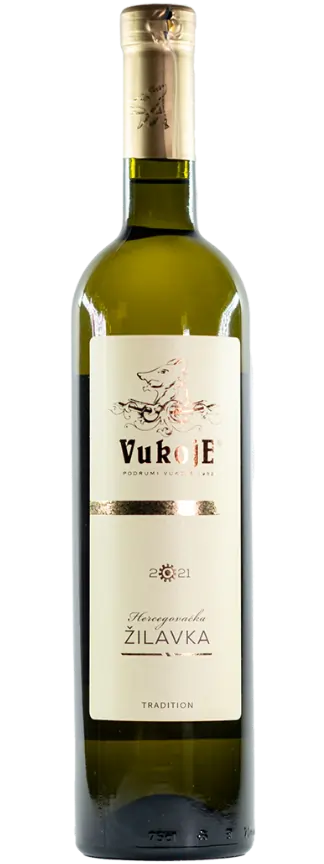
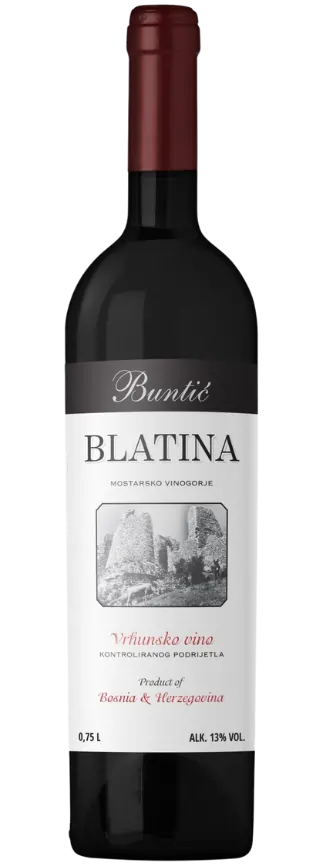
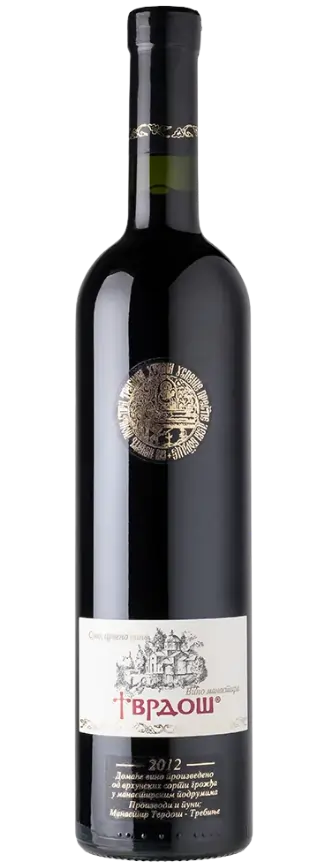
Vranac
Vranac is a strong red wine that is also very popular in Bosnia and Herzegovina, especially in Herzegovina and around Trebinje. It is characterized by its deep dark color, pronounced tannins, and aromas of dark berries, chocolate, and spices.
