




Painted Mosque (Šarena Mosque)



Description
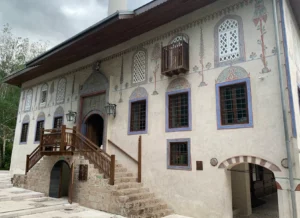
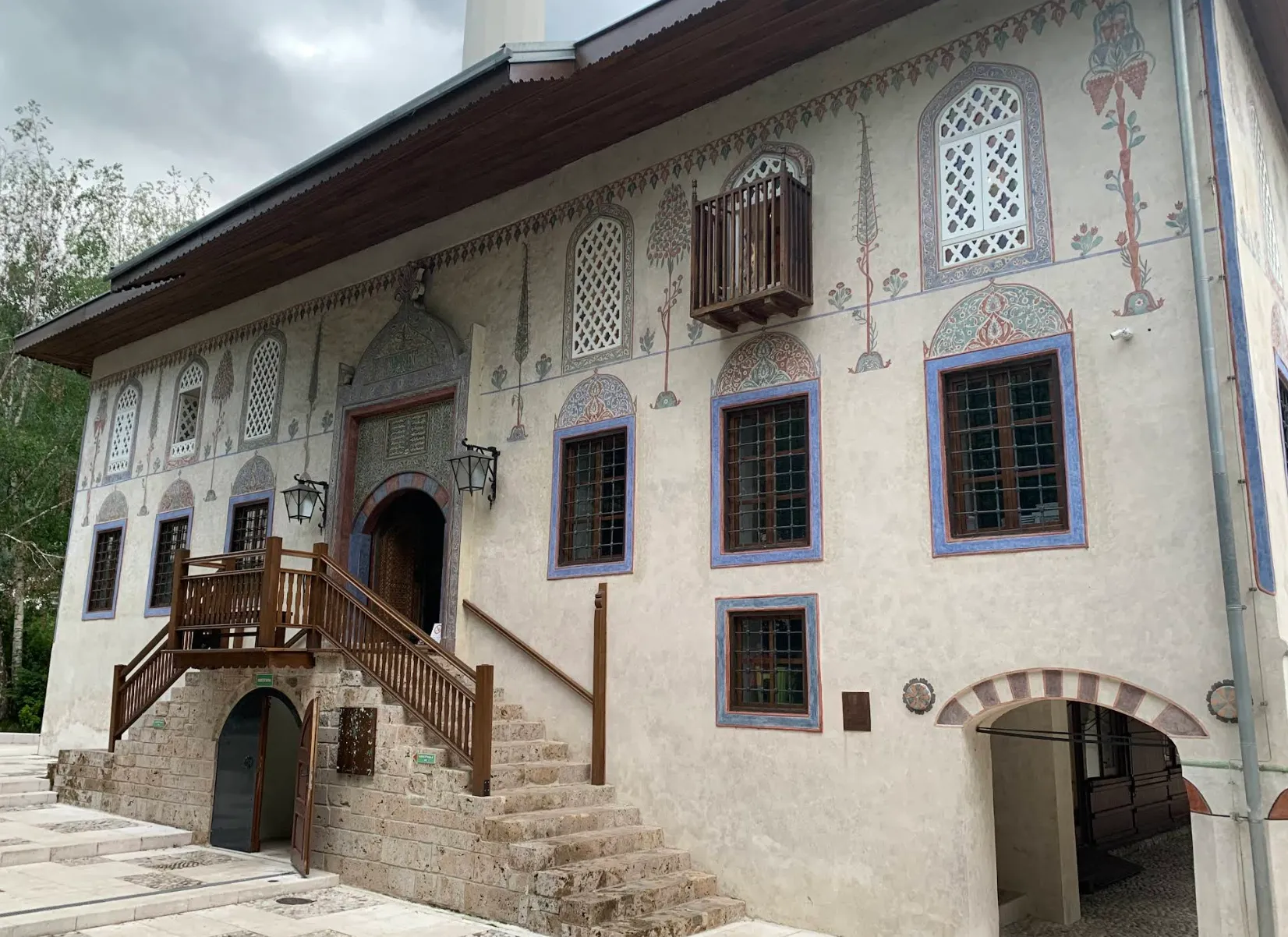
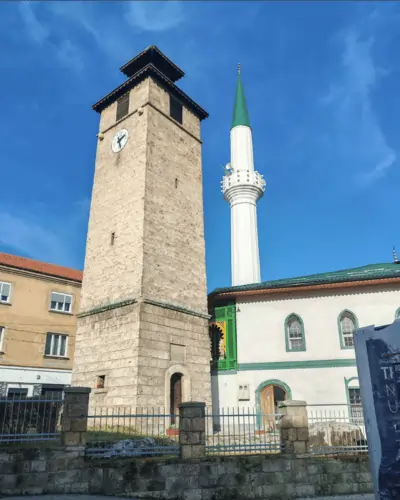
Located in the heart of Travnik's Donja čaršija, Sulejmanija, better known as the Šarena džamija, is one of the most fascinating symbols of the vizier's town and a pinnacle of Ottoman architecture in Bosnia and Herzegovina. Its history dates back to the end of the 16th century, when Gazi-aga built the original place of worship here, which was completely rebuilt in 1757 by the Bosnian governor Ahmed-paša Ćamil. The mosque owes its present appearance and name to the grand vizier Sulejman-paša Skopljak, who thoroughly restored it after the devastating fire of 1815, leaving behind a building whose beauty and unusual solutions have been taking visitors' breath away for centuries.
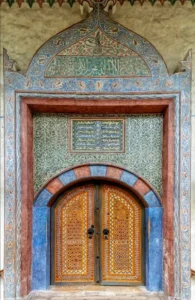
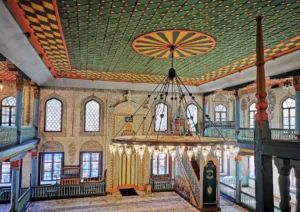
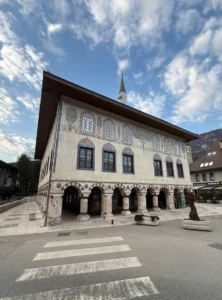
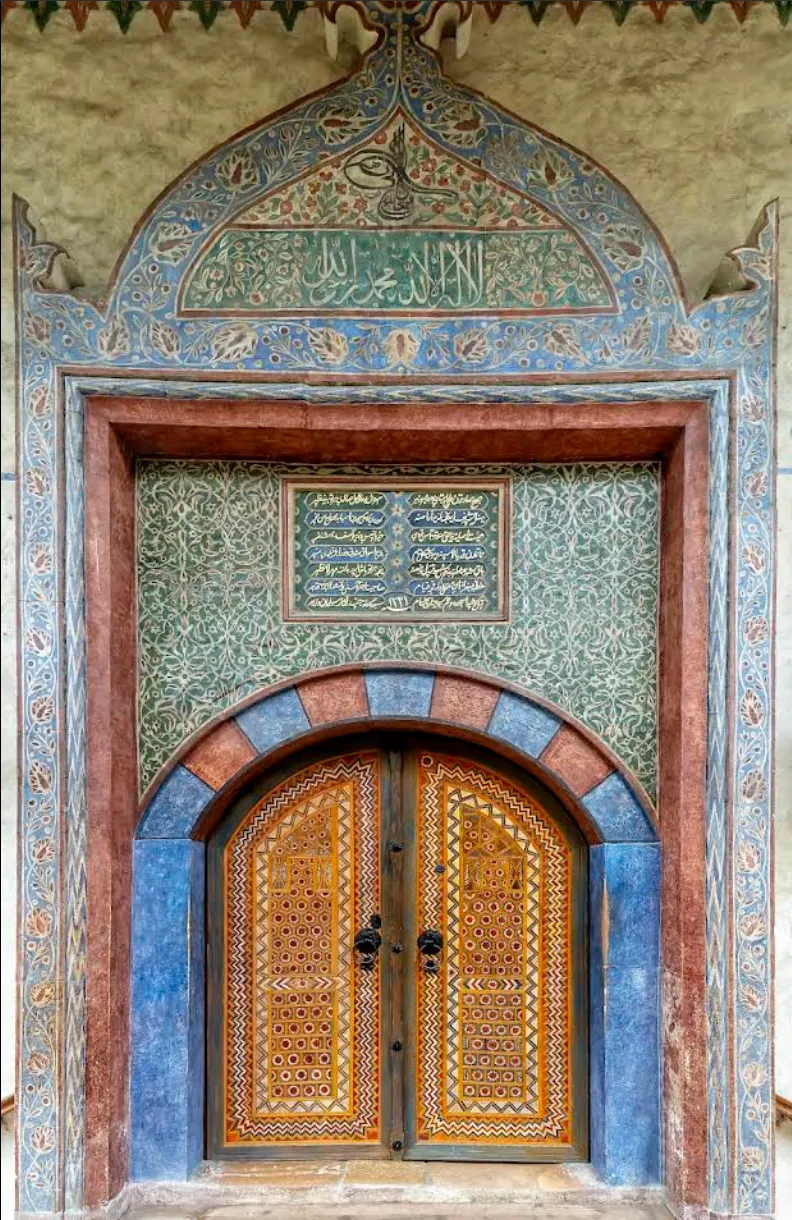
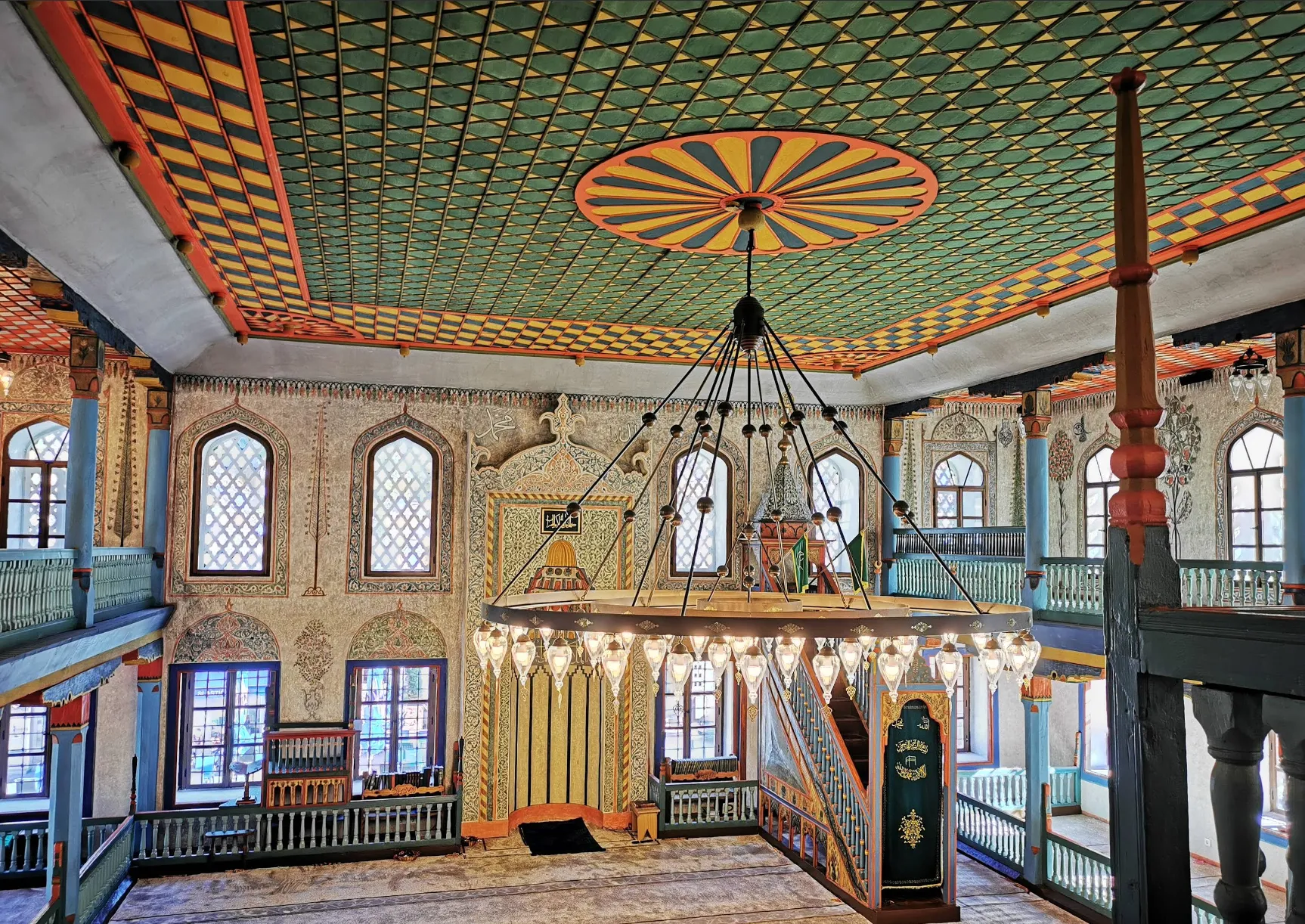
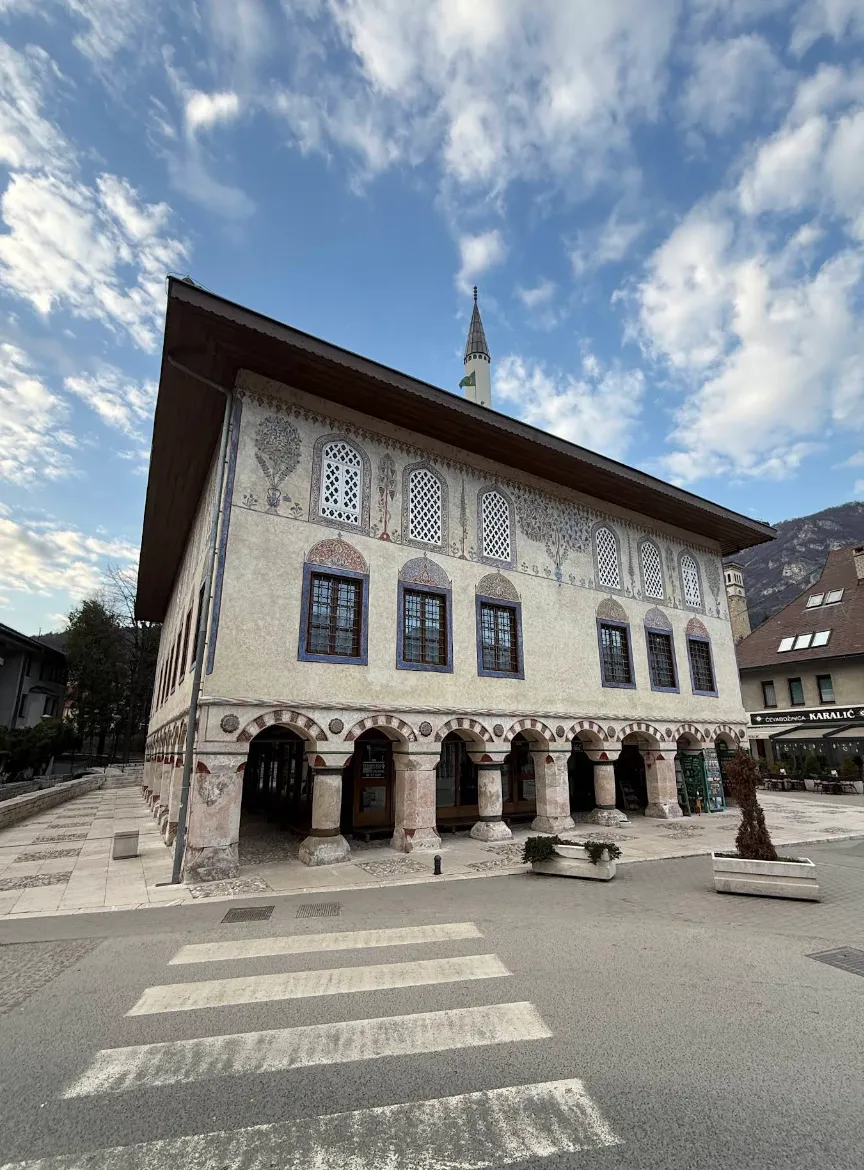
Unlike most mosques, the Sulejmanija Mosque stands on short stone pillars, beneath which lies a bezistan – a covered marketplace with numerous shops. This unique combination of a religious and commercial center has survived centuries of historical challenges and remains functional to this day. The mosque’s interior resembles an art gallery. It earned the name “Colorful Mosque” thanks to its rich floral ornaments, calligraphic inscriptions of the names of the Prophet’s companions, and vibrant colors decorating the mihrab, windows, and wooden gallery columns.
Today, the Colorful Mosque is not only an important place of worship but also one of Travnik’s must-see attractions. Its location near the famous Plava Voda spring makes it an ideal starting point for discovering the spirit and heritage of old Travnik.
Cultural Heritage
History