


Travnik Fortress

Description
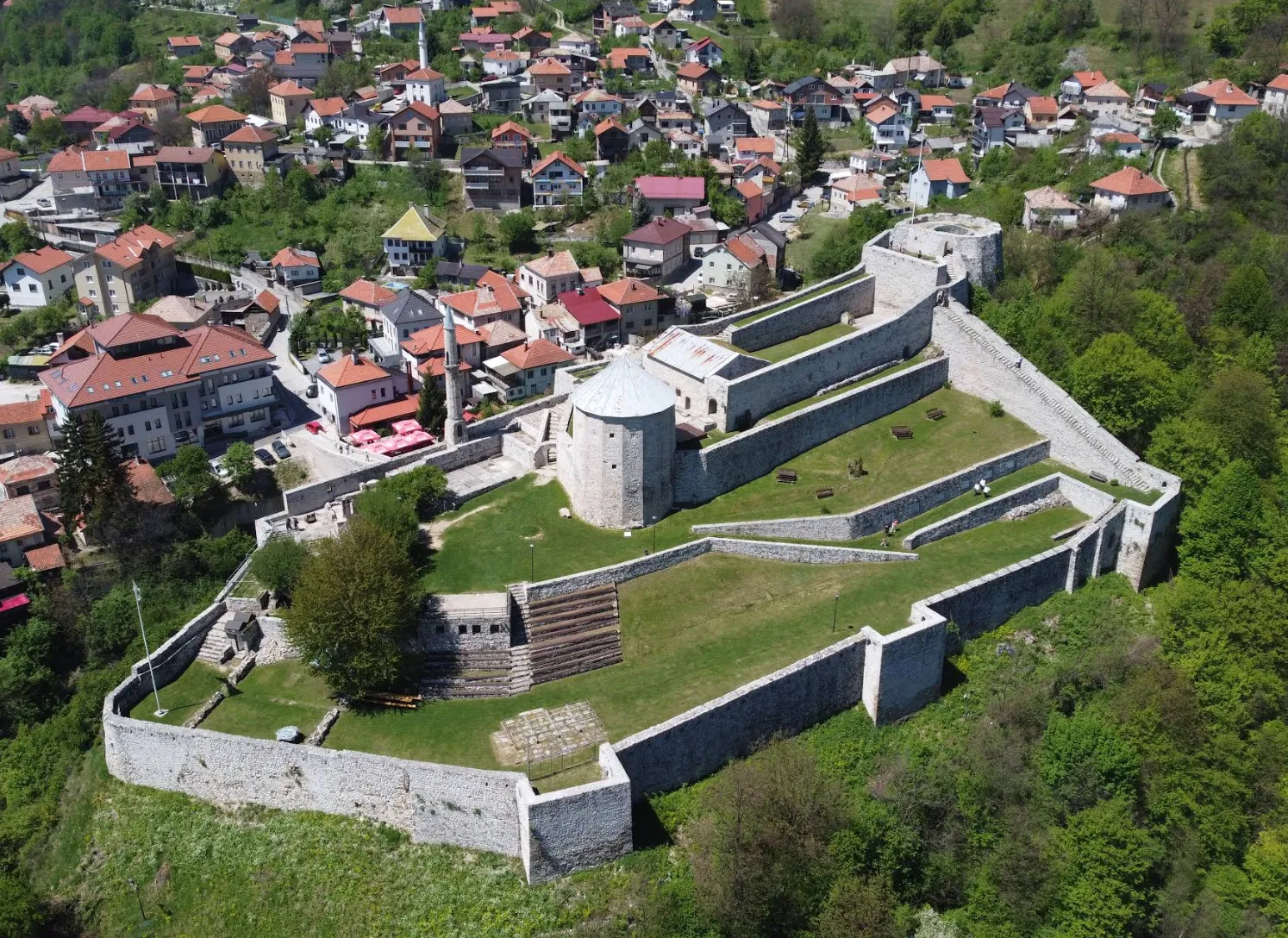
Travnik Fortress, today known as the Old Town, is one of the best-preserved fortifications of medieval Bosnia and a national monument of BiH. It stands on a rocky slope of Mount Vlašić at the eastern edge of Travnik, between the Plava Voda spring and the Hendek stream. It is believed to have been built in the second half of the 14th or the first half of the 15th century by King Tvrtko II Kotromanić. The fortress covers about 11,000 m² in the shape of an irregular pentagon and is approached from the west across a stone bridge.
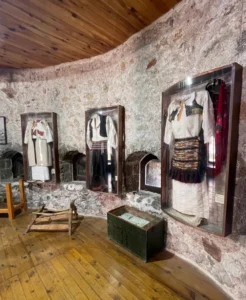
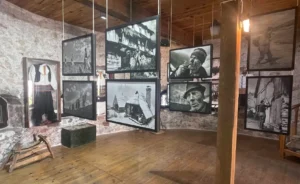
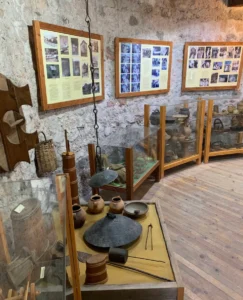
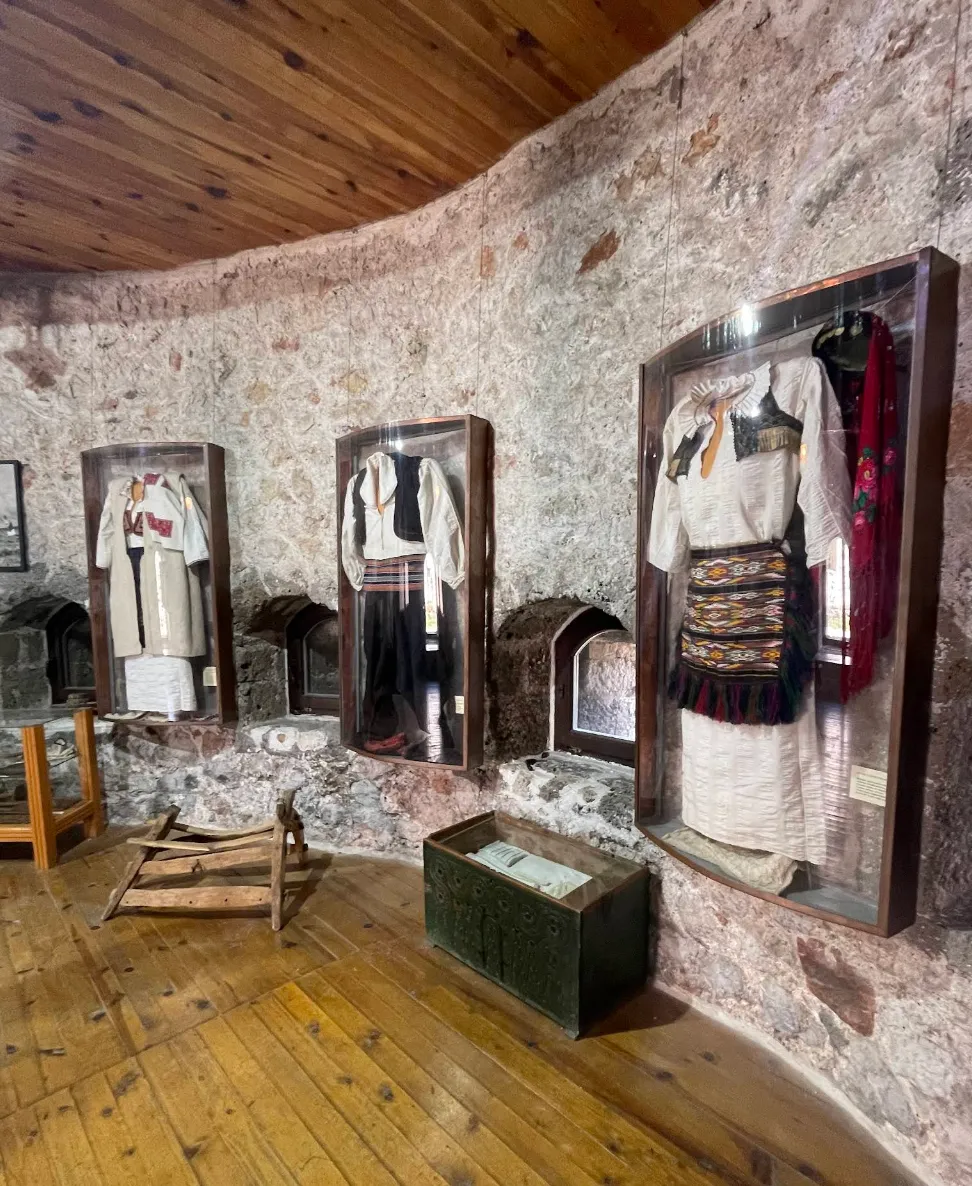
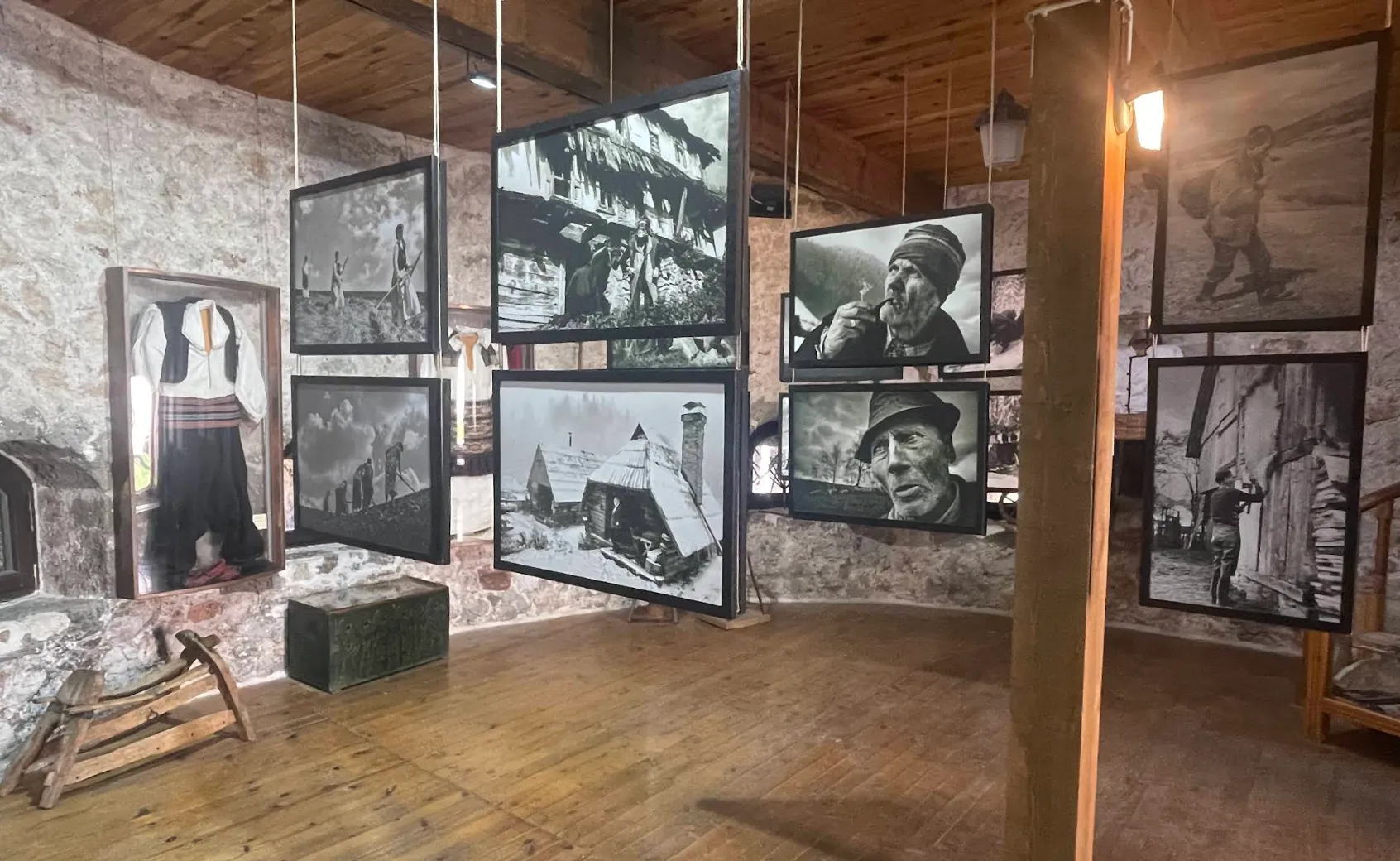
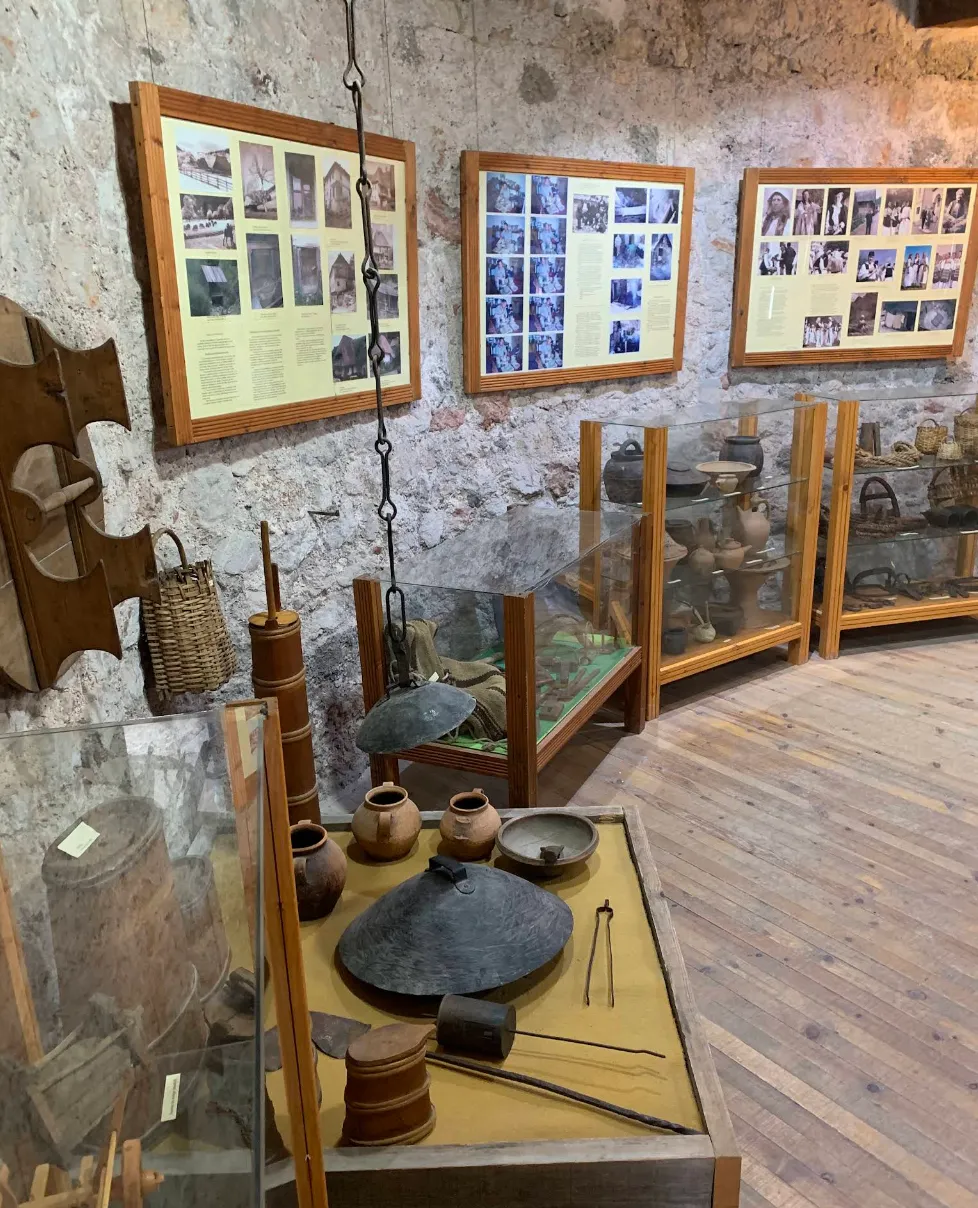
Over the centuries it bore the names Garbun and Kastel, and served as an Ottoman garrison, a dungeon and a military post right up to 1946. Since 1953 it has been cared for by the Travnik Homeland Museum, and today it is the centre of the town's cultural and social life, with exhibitions in the Tower and the Powder House and many events throughout the year.
Cultural Heritage
Practical Information
History
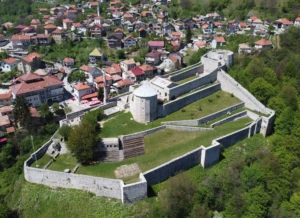
Travnik Fortress is one of the rare monuments in Bosnia where both Ottoman and Austro-Hungarian rulers were present from the very first to the very last day of their rule — from 1463 to 1918. In the 18th and 19th centuries, it also served as a dungeon and place of execution for rebellious Bosnian beys and agas.