




Old Town Trebinje





Description
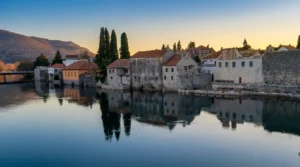
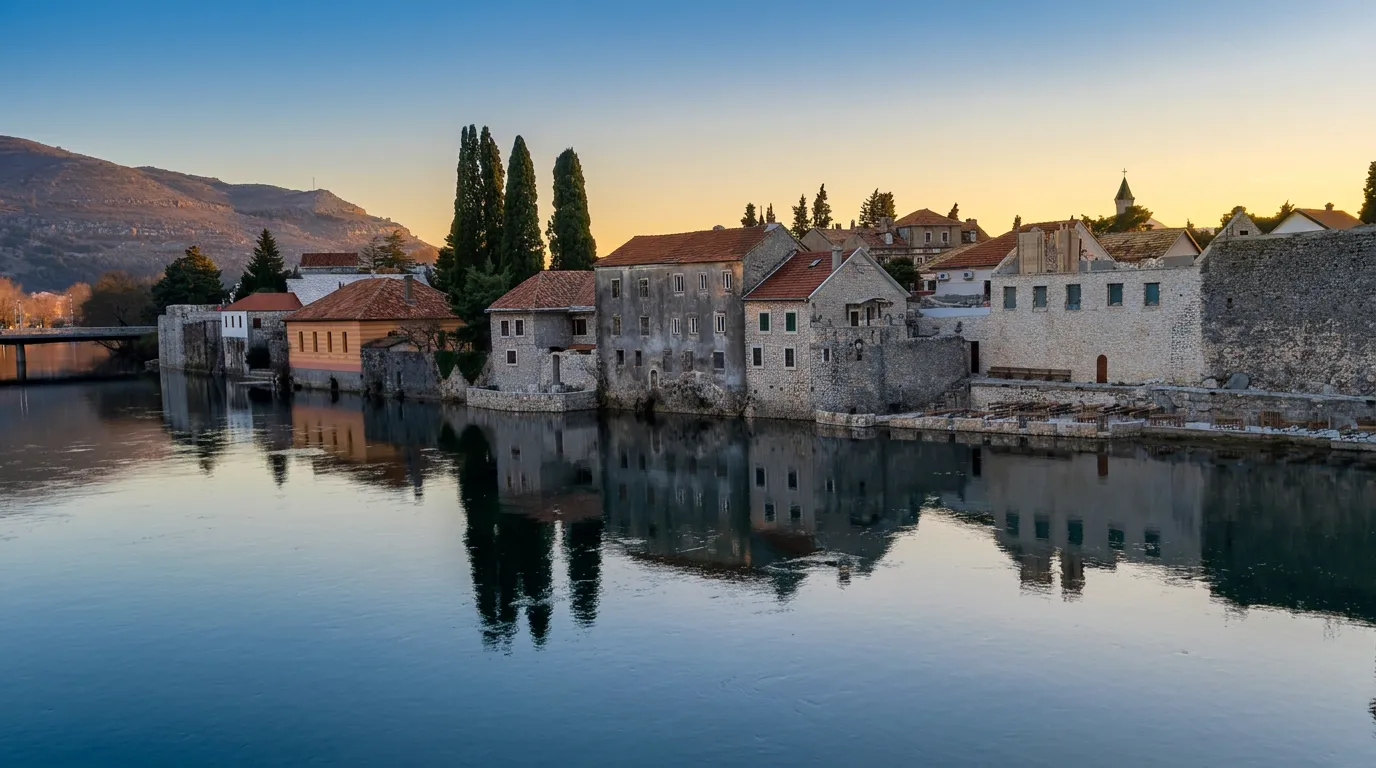
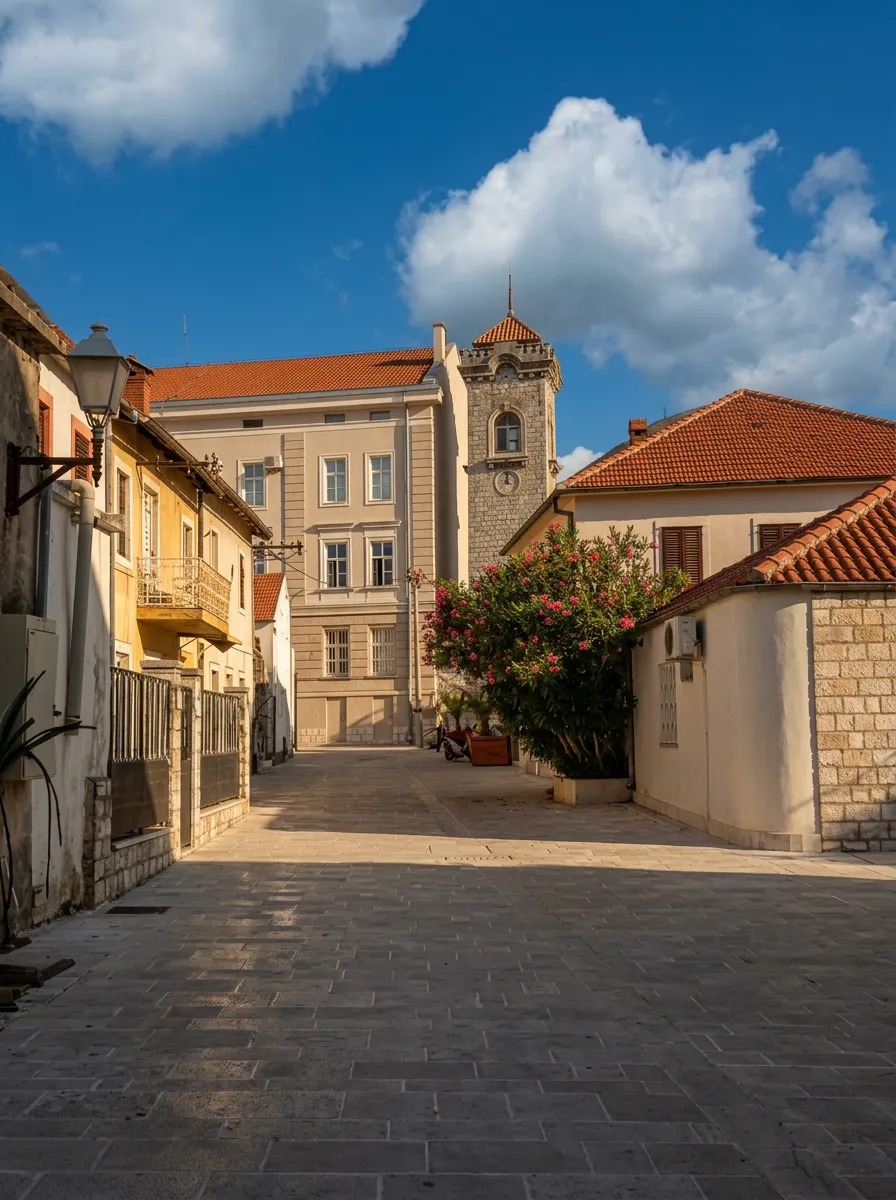
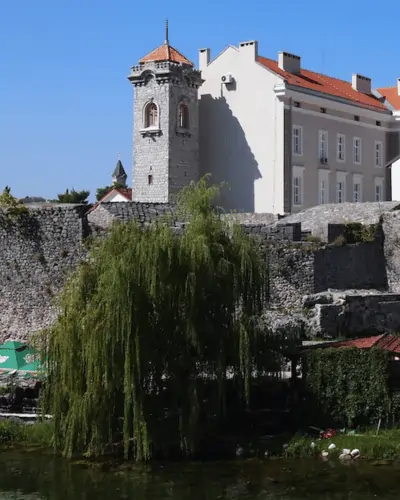
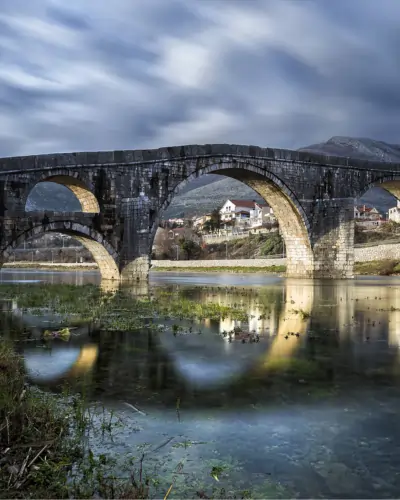
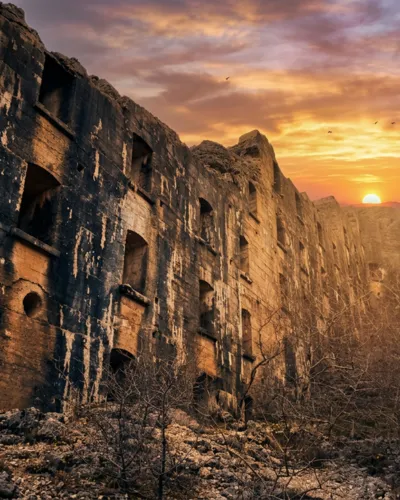
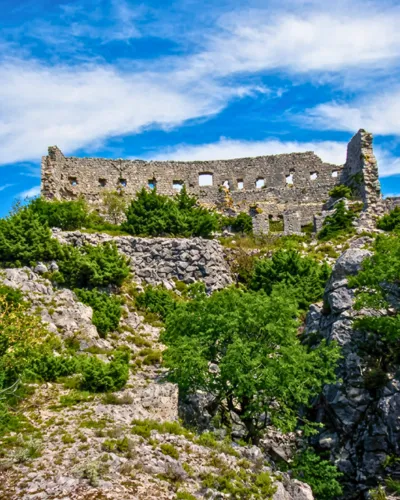
Old Town Trebinje, also known as Kastel, is one of the most beautiful Ottoman fortresses in Herzegovina and Trebinje's central historical attraction. It was founded in the early 18th century on the right bank of the Trebišnjica, above the deepest point in the river known as Ban-vir.
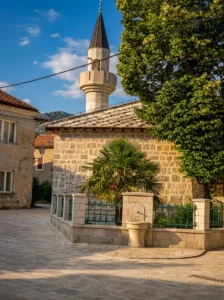
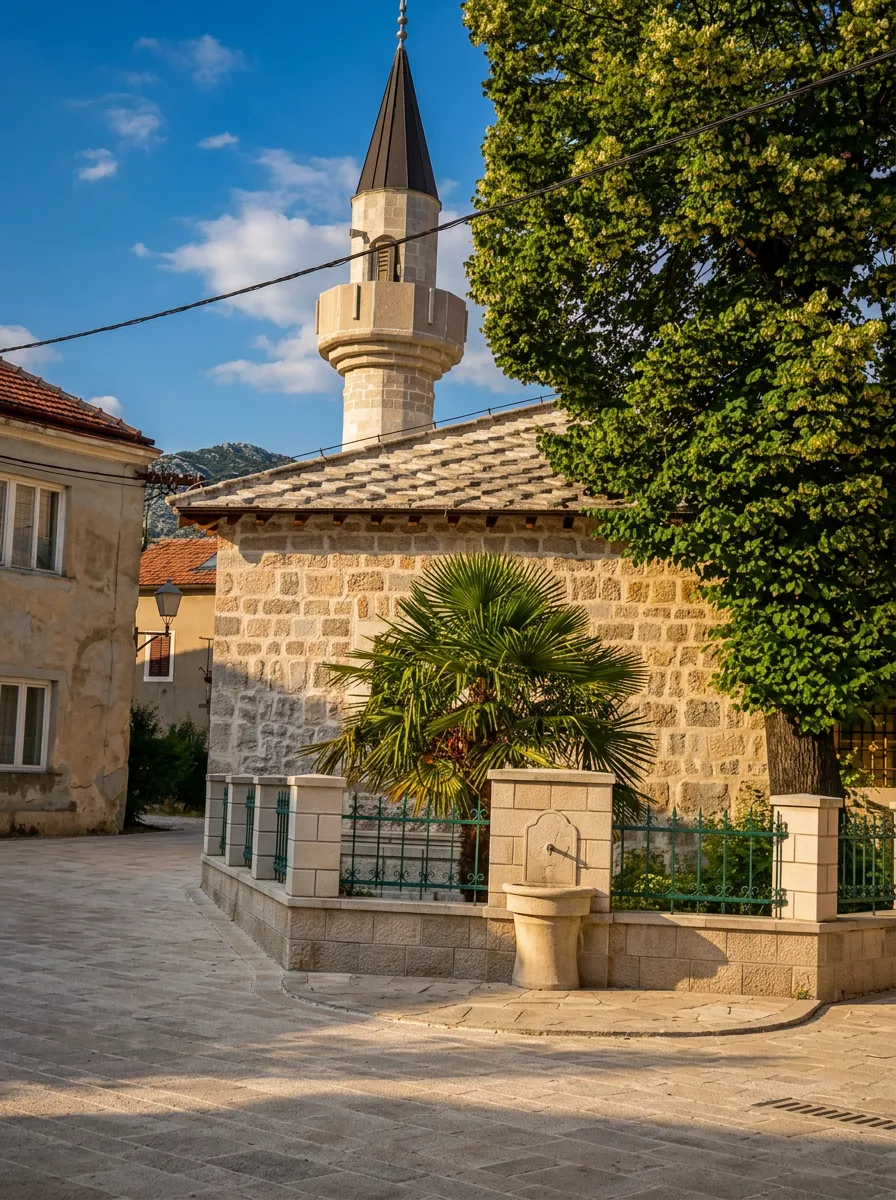
Construction was initiated by Osman-paša Resulbegović in 1714, bringing craftsmen from Dubrovnik and laborers from nearby places. The following year, a moat connected to the Trebišnjica was dug around the walls, and a drawbridge stood above the entrance gate. Kastel acquired its final form with towers, ramparts and a channel during the first four decades of the 18th century. The architectural style clearly reveals the blending of Oriental and Mediterranean influences. Today, the Museum of Herzegovina and Osman-paša Mosque are located within the walls. There are plans to restore the channel so that it once again surrounds the old walls.
The town and its history
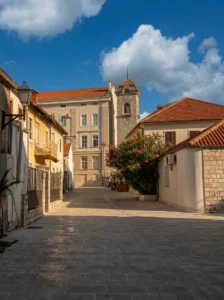
Kastel emerged as the Ottoman response to changes in the balance of power in Herzegovina after the wars with the Holy League, when Novi and Risan fell into Venetian hands. Osman-paša Resulbegović, the man most responsible for the fortress's development, began construction in 1714 by bringing craftsmen from Dubrovnik, while the labor force came from Ljubinje, Cernica and Nikšić. The town initially had a triangular shape, which was gradually rounded over time. A moat connected to the Trebišnjica and a drawbridge over the gate gave it the character of a true water fortress. The channel was filled in in 1932 on doctors' advice because of the risk of epidemics. During Osman-paša's time, Sultan-Ahmed Mosque, Osman-paša Mosque and the Clock Tower, which still stands today, were also built within the walls.
What to see and know