


White Fortress (Bijela Tabija)





Description
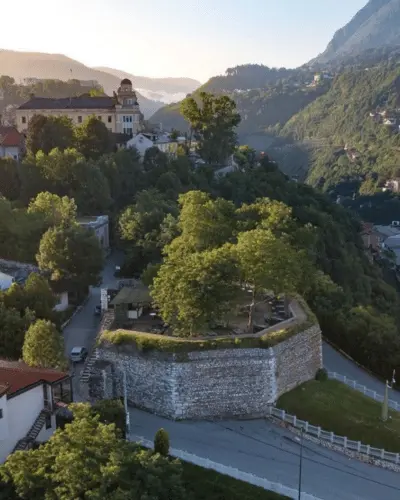
Bijela Tabija is one of Sarajevo's most imposing fortresses, set on the eastern height of the Sarajevo valley, above the Vratnik Old Town. It takes its name from the white limestone from which it was built. Archaeological research has shown that its oldest part dates back to the Middle Ages, to the late 14th or early 15th century, and that the fortress was extended in the Ottoman and Austro-Hungarian periods.
It was one of five tabijas (bastions) that formed the defensive wall of Vratnik and played an important role in the city's defence – during the attack of Prince Eugene of Savoy in the 17th century and of the Austro-Hungarian army in 1878. Today it is part of the Vratnik Old Town complex, declared a national monument of BiH. After the restoration of its stone walls it is again among the city's most visited spots, above all for the remarkable view over Sarajevo.
Cultural Heritage
Practical Information
History
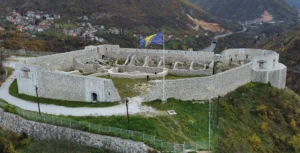
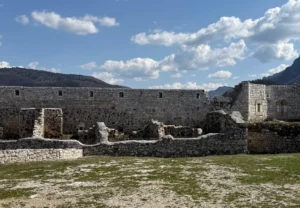
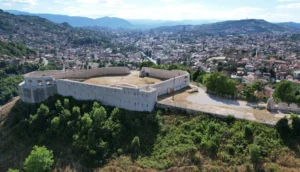
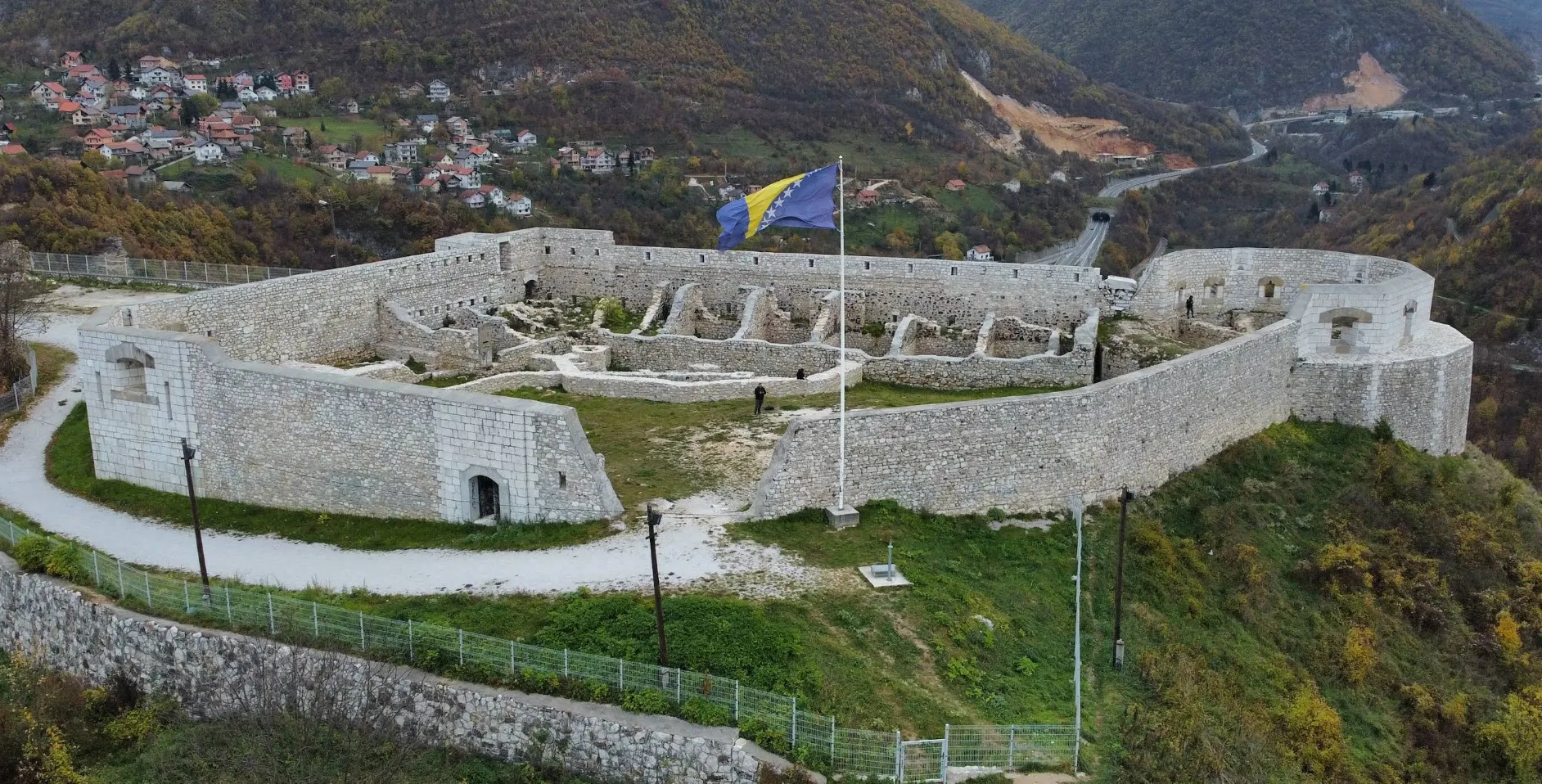
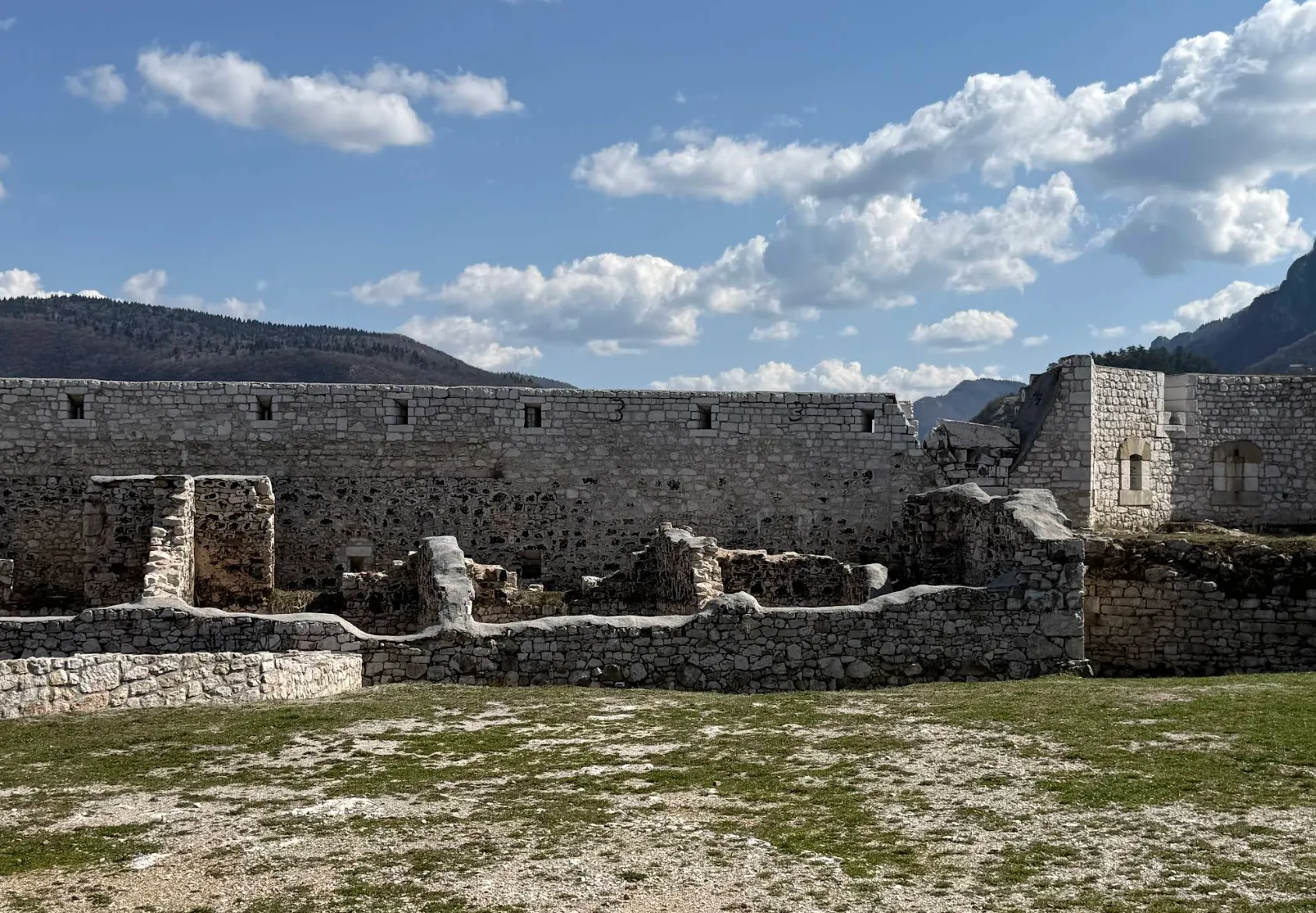
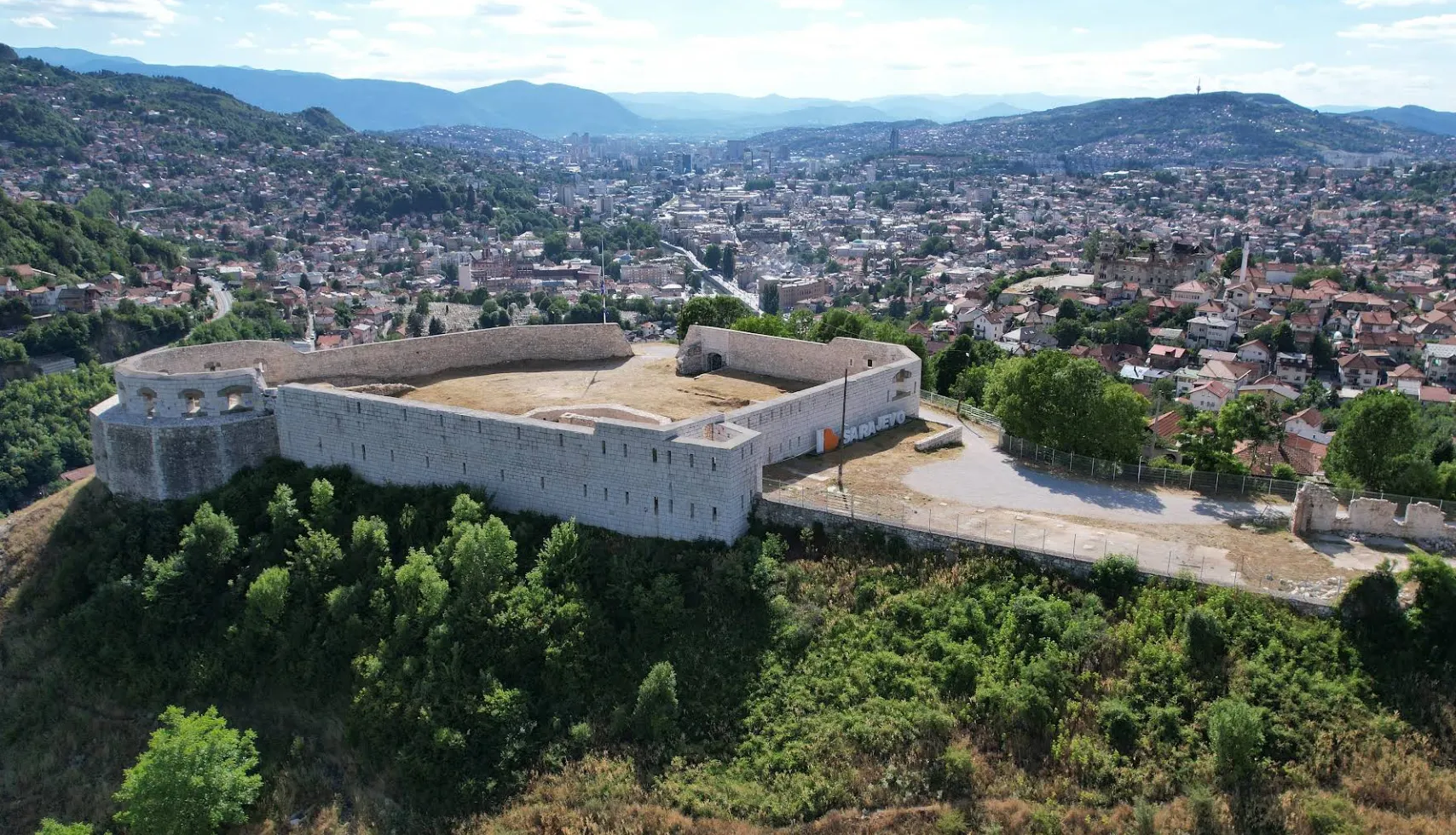
The name "Bijela Tabija" — meaning White Fortress — was not accidental: the famous Ottoman travel writer Evliya Çelebi recorded in his 1660 travelogue that the fortress earned its name simply because it was whitewashed. Within its walls stood a mosque, the homes of an imam, two muezzins and military musicians, and a grain storage — a small fortified community perched above Sarajevo.