


Old Town Visoki

Description
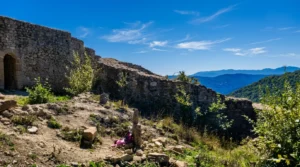
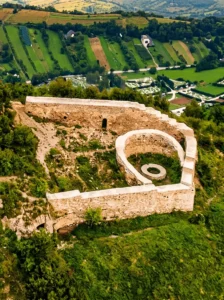
At the very top of Visočica hill, 300 meters above the valley where the town of Visoko lives and breathes today, stand the quiet remains of one of the most important places in Bosnia's history — the Old Royal Town of Visoki. It was here, at an altitude of 766 meters, that Bosnian bans and kings issued charters, made crucial decisions, and crowned their heirs — and the first written record of the town dates back to 1355, when the young Ban Tvrtko I Kotromanić signed a document "in castro nostro Visoka vocatum".
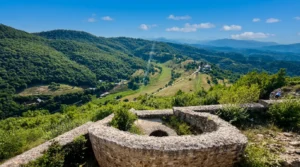
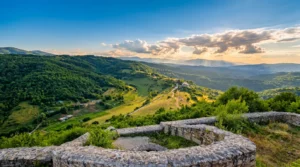
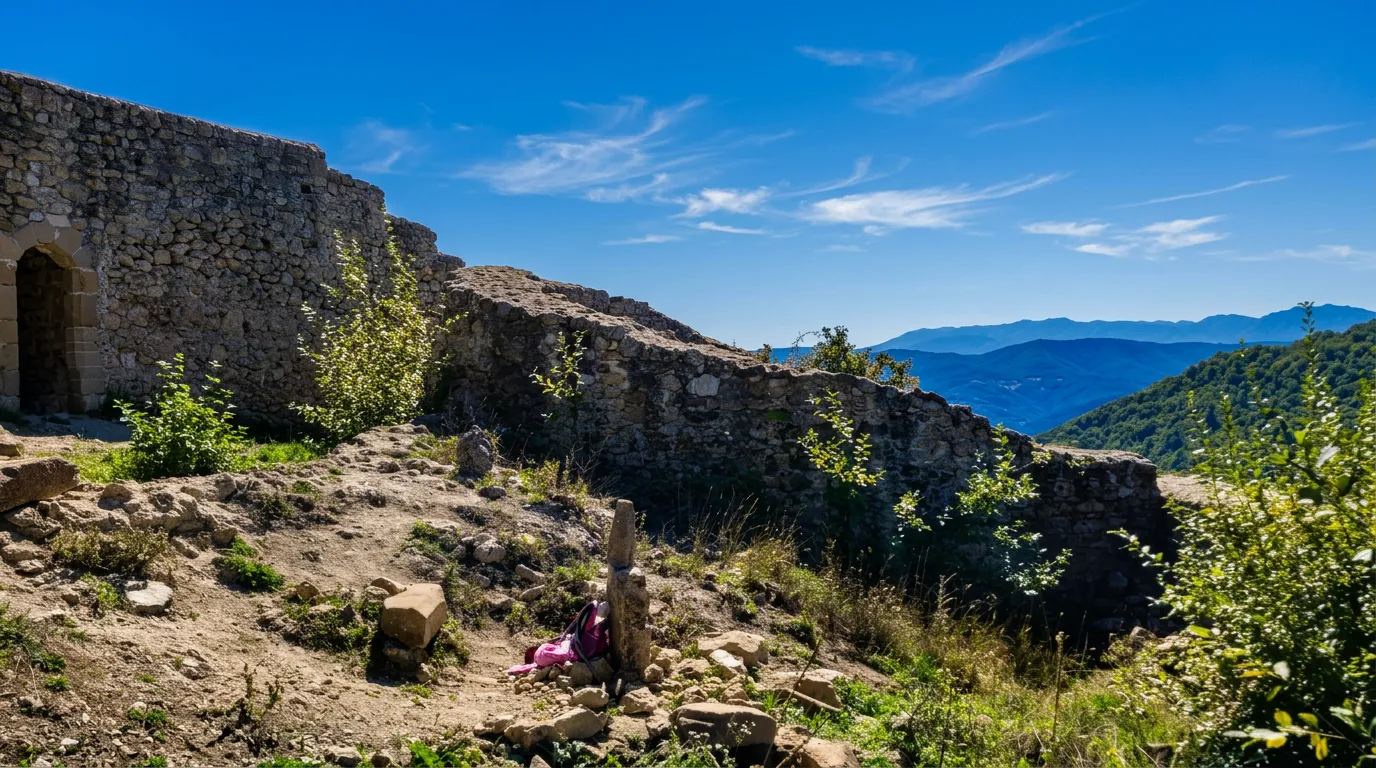
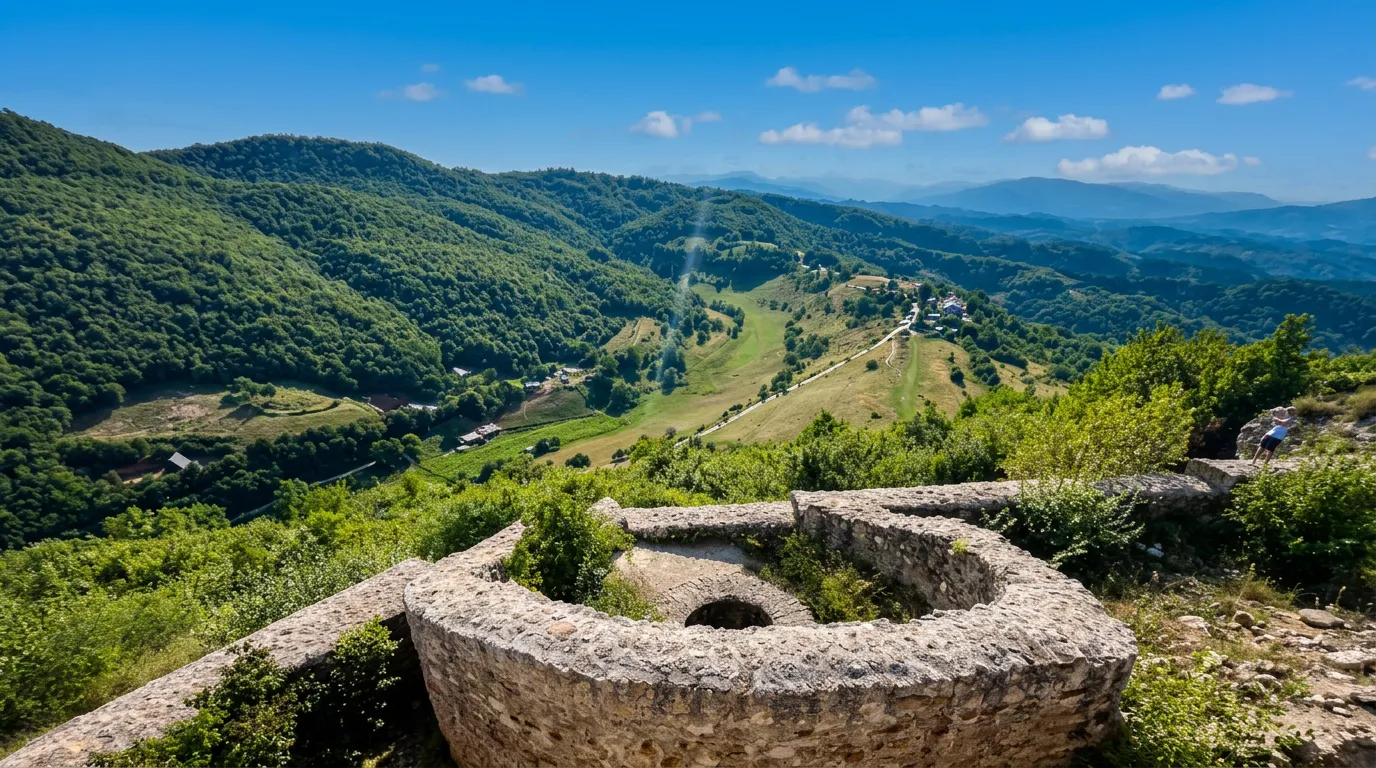
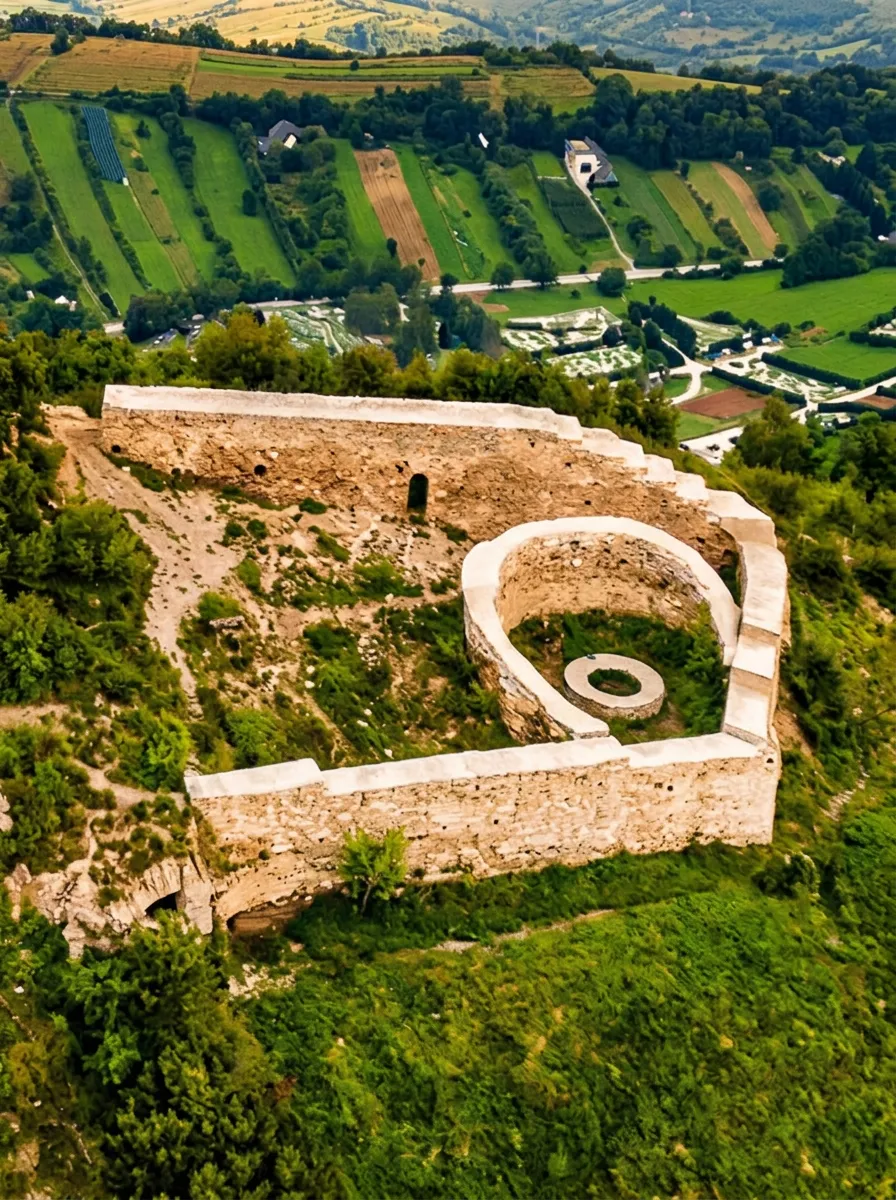
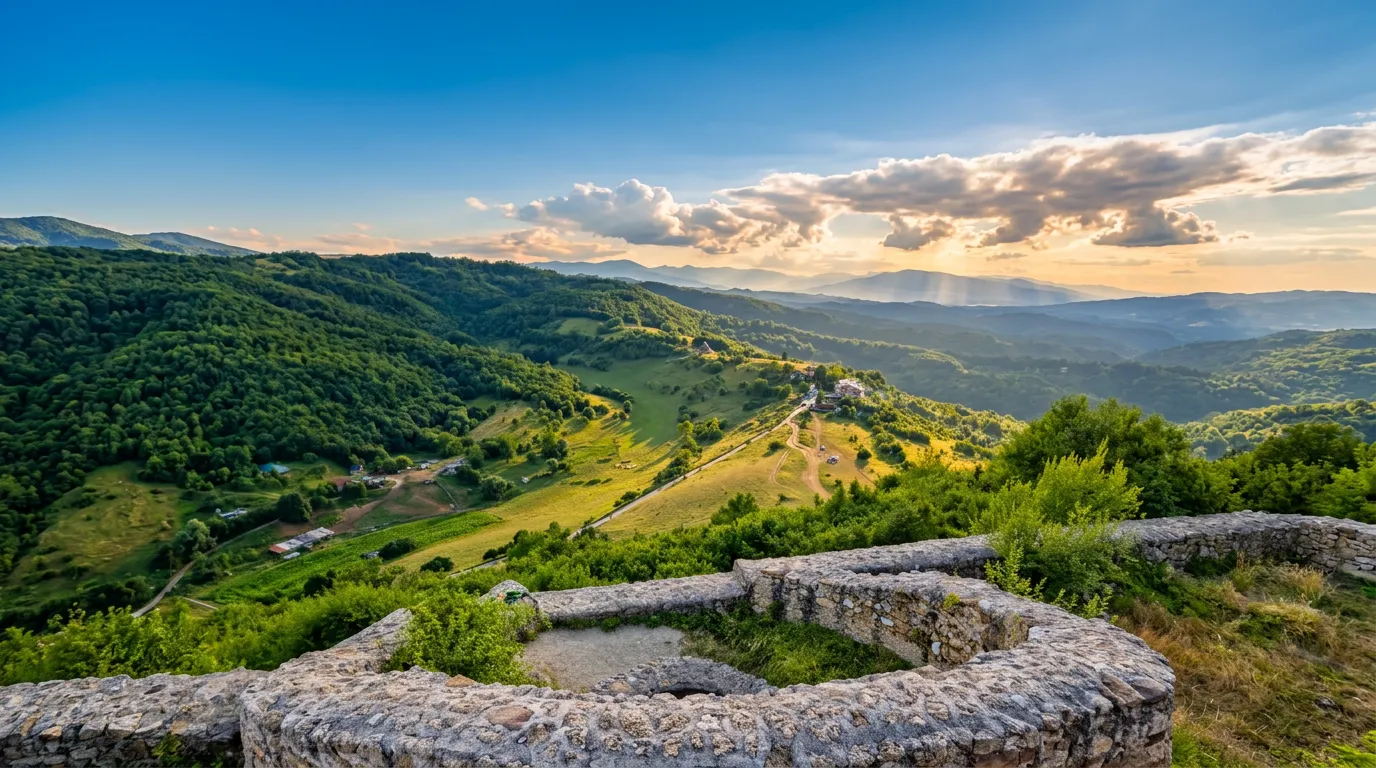
Tvrtko I, who would become the first Bosnian king, was crowned right in this valley — and the town of Visoki was the political, military, and spiritual center of the entire Bosnian Banate and later kingdom for more than a century. Two towers, massive walls of local limestone, and deep moats testify to the fortress's serious defensive strength, while the view from the top of Visočica over the entire Visoko Valley, the Bosna and Fojnica rivers, and the surrounding mountains of Central Bosnia rewards every step of the climb. Declared a national monument of Bosnia and Herzegovina in 2004, Old Town Visoki is today a must-visit destination for every visitor to Visoko — whether you're drawn by history, the pyramids, or simply one of the most beautiful panoramic views in central Bosnia.
The heart of the medieval Bosnian state
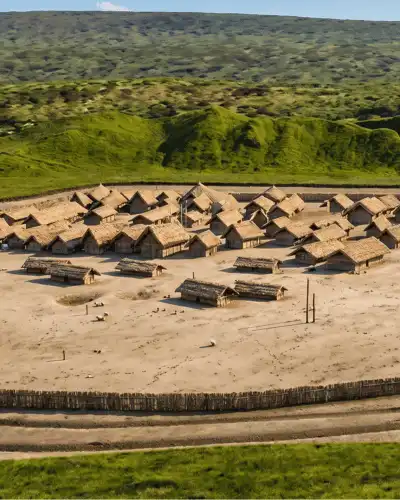
Stari grad Visoki was not just a fortress — it was a symbol and administrative center of the Bosnian state in its most important period. The Visoko valley as a whole, with Visoki at the top, Podvisoko at the foot, Mile (Arnautovići) as the coronation site, and Moštre as the seat of the Bosnian Church, represents the most densely concentrated historical fabric ever found in Bosnia.
From Visoki, Tvrtko I sent his first known charter to the people of Dubrovnik on September 1, 1355 — and that date is considered the first reliable written record of the fortress. From there, Bosnian rulers continued to issue documents until 1436; from there, all other royal seats could be seen.
Practical information and what to visit?