



Church of the Protection of the Most Holy Mother of God

Description
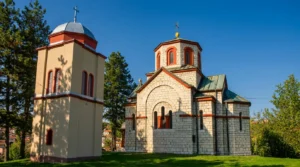
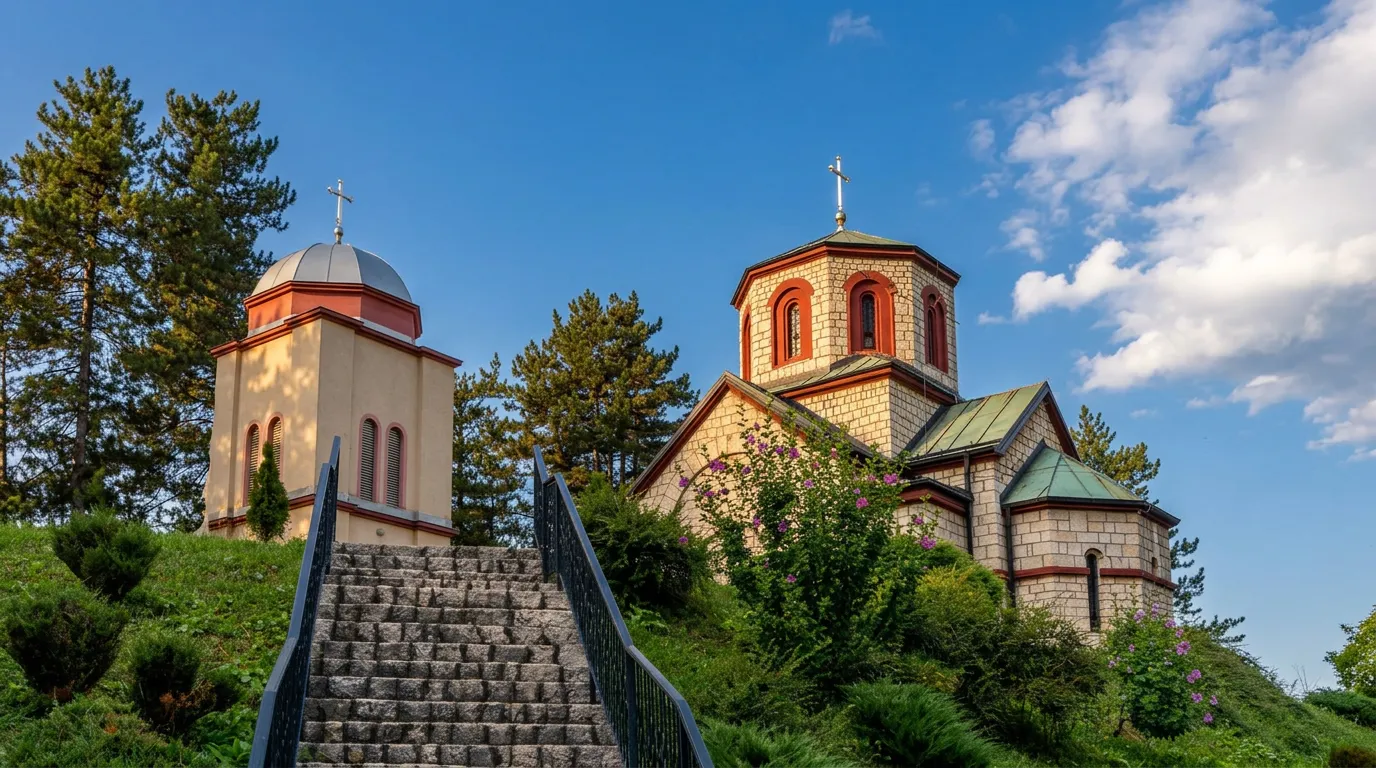
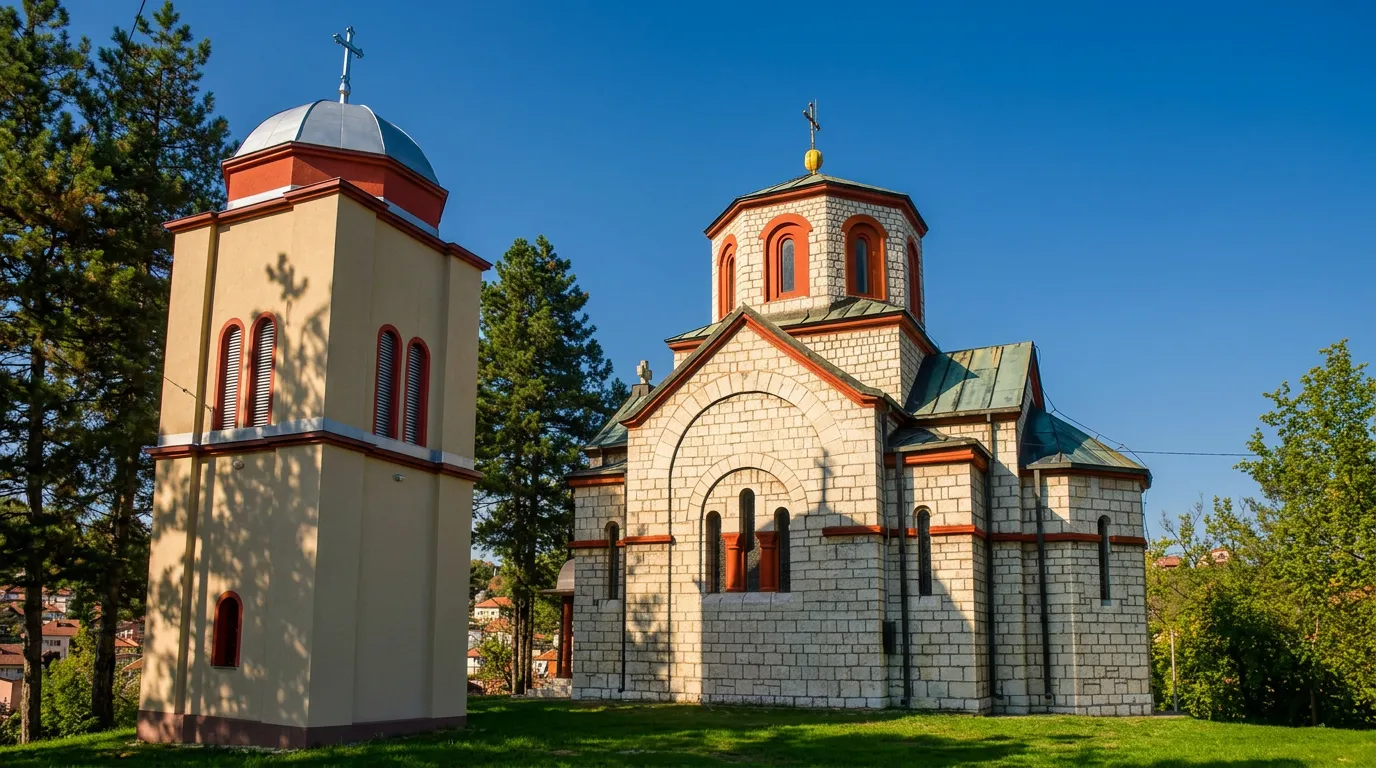
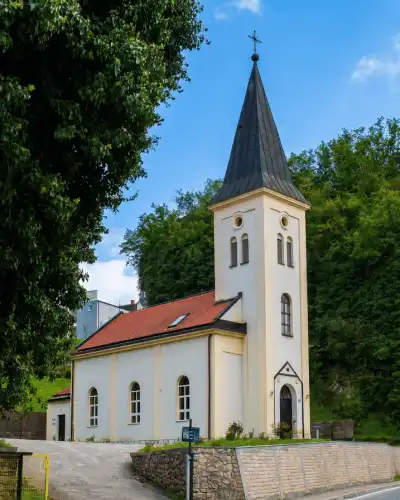
The Temple of the Intercession of the Most Holy Mother of God in Tešanj carries a story of patience and faith that spans generations — construction began in 1934 with the consecration of the cornerstone and was not completed until 1971, because World War II halted the work for decades. The church belongs to the Zvornik-Tuzla Eparchy of the Serbian Orthodox Church and is located on Grič Hill, which was purchased back in 1923 for the construction of a new church on the site of an older one from 1853 that began to sink due to the difficult terrain. The iconostasis is made of concrete with carved cherry-wood doors, and the nine icons in Byzantine style were painted by hieromonk Pavle Kalanj from the Gradište Monastery in Montenegro. The separate bell tower was built from 1978 to 1981, and in 2023 the temple solemnly marked the 100th anniversary of the beginning of construction — proof that some stories worth waiting for always reach their ending.
Vjekovna gradnja
Malo koji hram nosi u sebi toliko slojeva vremena kao ovaj u Tešnju. Ideja se rodila 1923, kada je stari hram iz sredine 19. vijeka morao biti srušen zbog tonjenja tla, a puta od kamena temeljca do konačnog osveštanja trajao je gotovo pola vijeka — prekinut Drugim svjetskim ratom, nastavljen tek 1971. Čak ni tada priča nije bila gotova: zvonik je sagrađen tek krajem 1970-ih, odvojen od samog hrama, upotpunjujući cjelinu koja je nastajala generacijama.
Ikonostas iz Crne Gore
Unutrašnjost hrama nosi poseban umjetnički pečat. Devet ikona na ikonostasu, oslikanih u vizantijskom stilu, djelo su jeromonaha Pavla Kalanja iz manastira Gradište u Crnoj Gori — spoj bosanske arhitekture i crnogorske ikonopisačke tradicije. Carske dveri, rezbarene u trešnjinom drvetu, dodaju toplinu betonskoj konstrukciji ikonostasa. Godine 2015, na Petrovdan, episkop Hrizostom osveštao je nove kupolske krstove, a 2023. zajednica je proslavila stotu godišnjicu od kada je sve počelo — kupovinom brda Grič i prvim koracima ka gradnji hrama koji danas stoji.