




Tito's Cave



Description
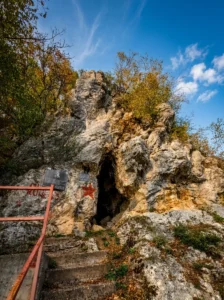
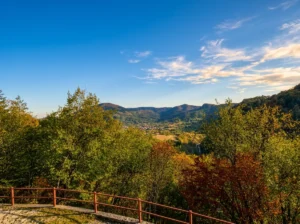
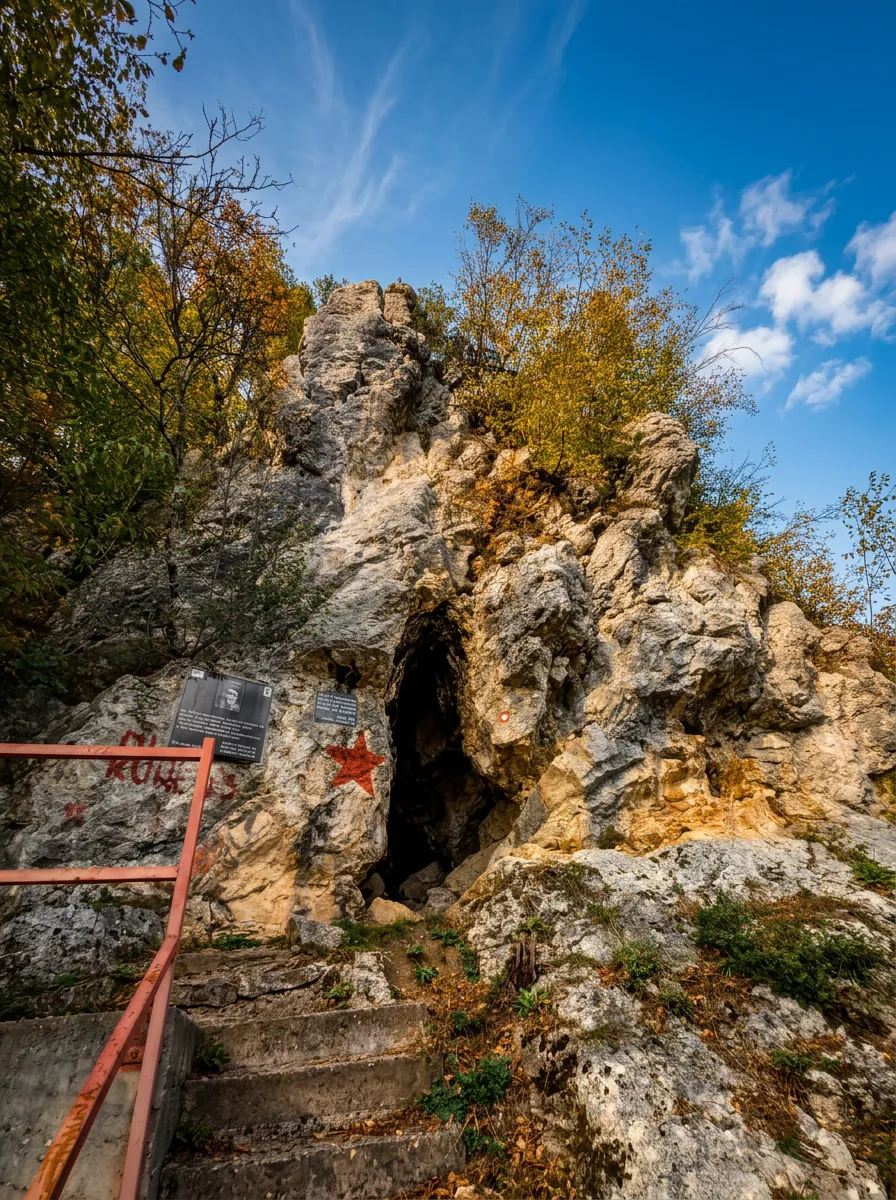
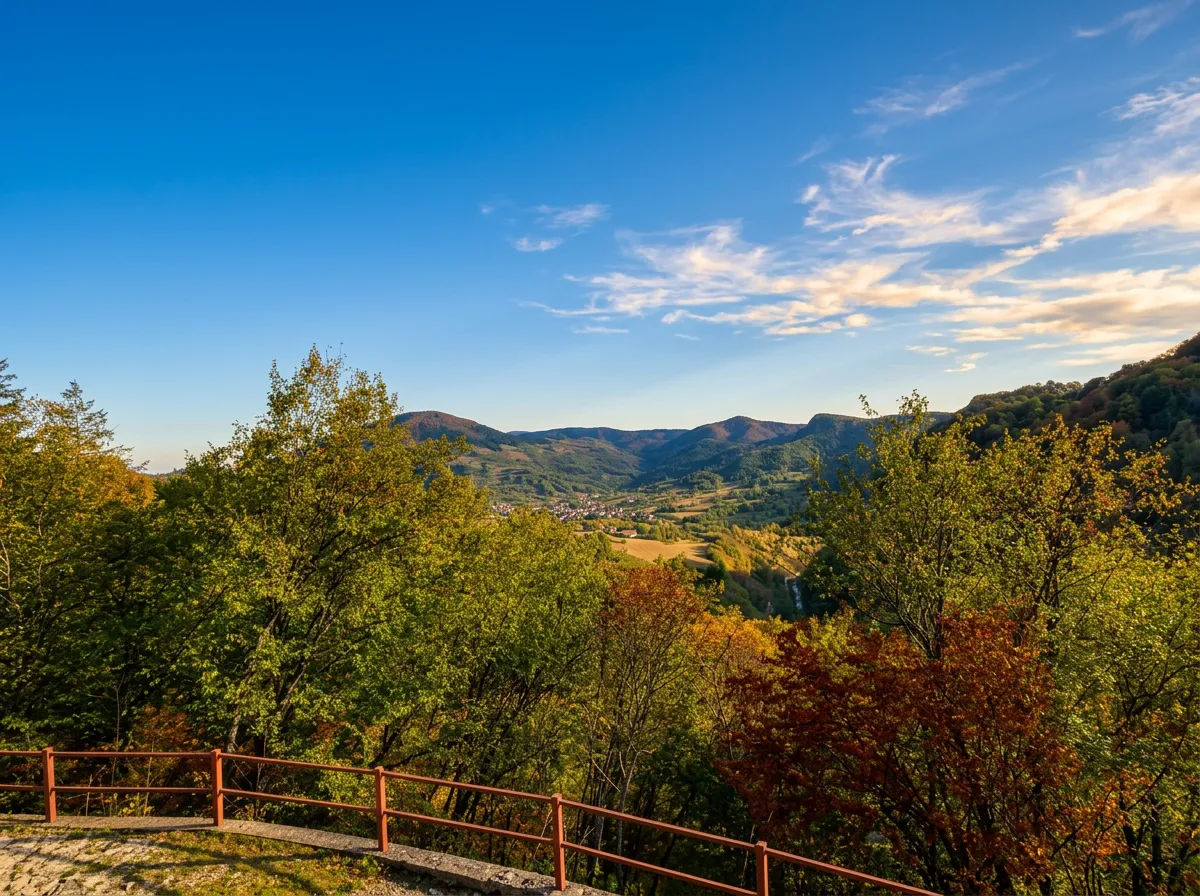
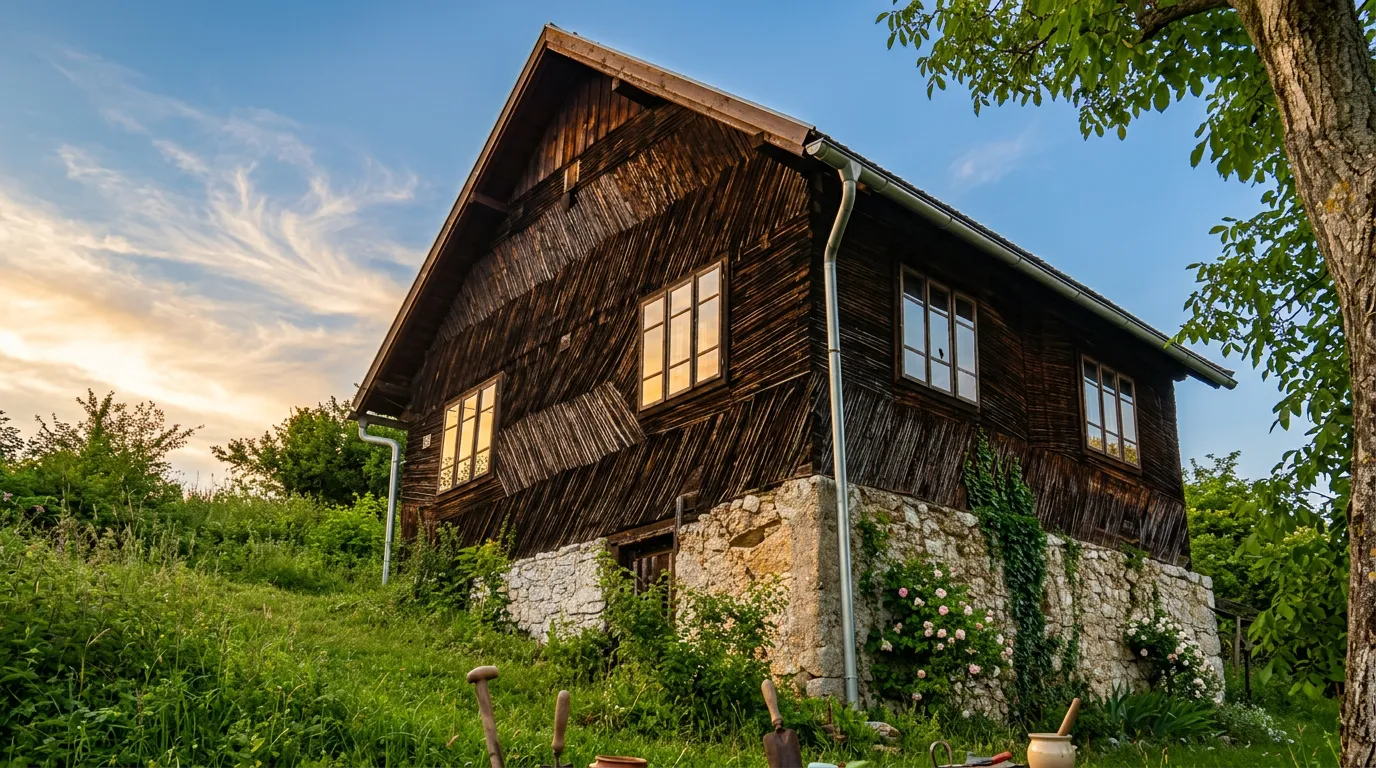
Tito’s Cave in Plahovići is one of the most important historical sites in the area around Kladanj, where Josip Broz Tito and his associates stayed during the summer of 1943, immediately after the Battle of Sutjeska. Hidden in a natural setting, the cave served as a safe refuge and a place where important decisions were made that had a major impact on the future of Bosnia and Herzegovina and its position in then Yugoslavia. Nearby is also the house where Tito stayed, now turned into a small museum display with authentic items from that period. Surrounded by forest and silence, this site offers visitors a unique opportunity to feel the spirit of history at the place where key decisions were made and to better understand the complex past of this region.
Ten days that marked the history of Bosnia and Herzegovina
In July 1943, while war raged across the mountains between Kladanj and Vlasenica, one man worked during the day in a small cave above the Drinjača and drafted decisions that would change history. Tito arrived in Plahovići on July 1, taking shelter from enemy aircraft after the heavy battle on Sutjeska. During the ten days he spent in the cave and the nearby house of Mujo Mazalović, he was accompanied by members of the Central Committee of the Communist Party of Yugoslavia, the Executive Committee of AVNOJ, and the British Military Mission. It was here that the argument was established that Bosnia and Herzegovina should have equal status in future Yugoslavia — an argument that was formalized at the end of 1943 at the ZAVNOBiH session in Mrkonjić Grad.
The house that preserves memory
During those July days in 1943, Mujo Mazalović took care of Tito and his entourage every day, brought lunch, and secured shelter. Later he set off with the column as a partisan guide — but returned. The Germans found him with partisan documents and executed him. His house in Plahovići still stands today, and it houses a permanent museum display of items from that period, including objects Tito personally used. On the last Saturday in June, during the Days of Tito's Cave, anti-fascist associations from dozens of municipalities across Bosnia and Herzegovina visit the cave and the house.