




For years, Bosnia and Herzegovina has been known for Sarajevo, Mostar, and Kravica Waterfall — but its true soul is hidden in its villages. Rural tourism in Bosnia and Herzegovina is growing rapidly, as more and more travelers seek what mass destinations cannot offer: silence, authenticity, and a connection with living tradition. Instead of crowded streets, here you will find stone houses, katuns, stećci, and people who still live in harmony with the mountains.
This guide is for slow travelers who are in no hurry, for photographers in search of the perfect shot, and for mountain lovers who enjoy every climb. From snow-covered peaks to Mediterranean backdrops, here are ten villages that show just how diverse the landscape of Bosnia and Herzegovina really is.
1. Lukomir (Bjelašnica)
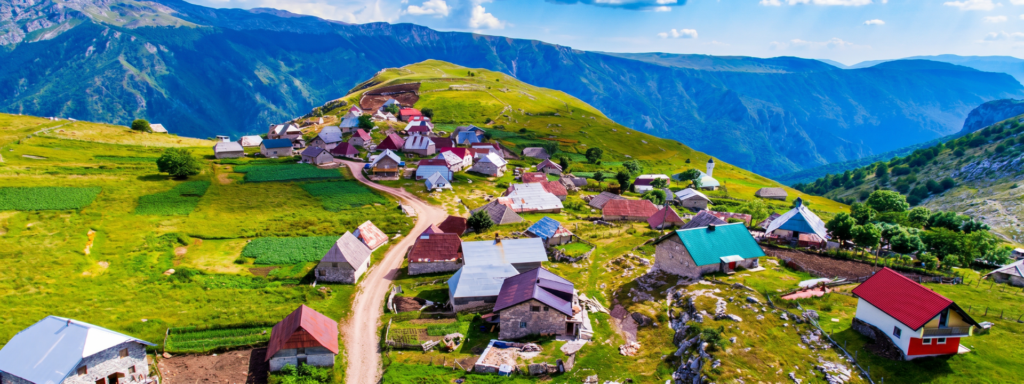
At around 1,450 meters above sea level, Lukomir is the highest permanently inhabited village in Bosnia and Herzegovina. Stone houses with shingle roofs, centuries-old stećci, and preserved katuns make it a living museum of mountain life. It is best visited from June to September, as in winter snow often completely cuts it off from the outside world.
Tip: Walk along the edge of the Rakitnica canyon — the view is one of the most dramatic in the entire country.
2. Umoljani (Visočica)
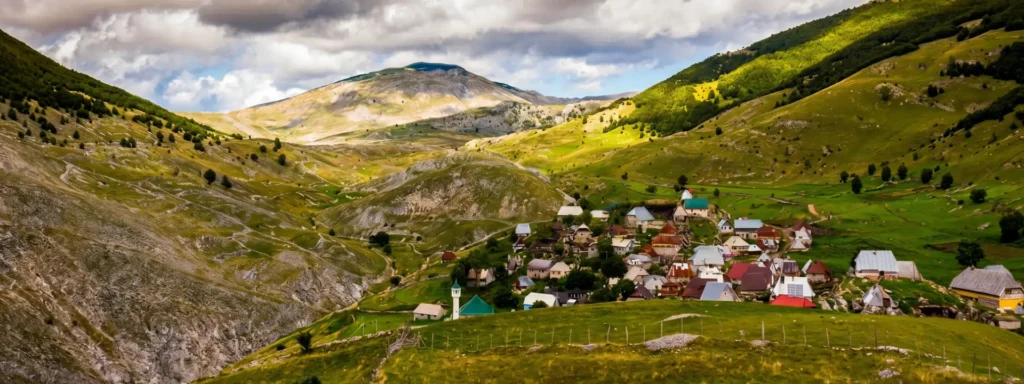
Below Mount Visočica lies Umoljani, a village surrounded by legends and untouched nature. It is known for its gentle pastures, mountain stream, and the stone formation of the “petrified wedding party” overlooking the landscape. The ideal time to visit is summer, when the trails are dry and the katuns are full of life.
Tip: Combine Umoljani and Lukomir in a one-day hiking tour — they are connected by a beautiful marked trail.
3. Blagaj
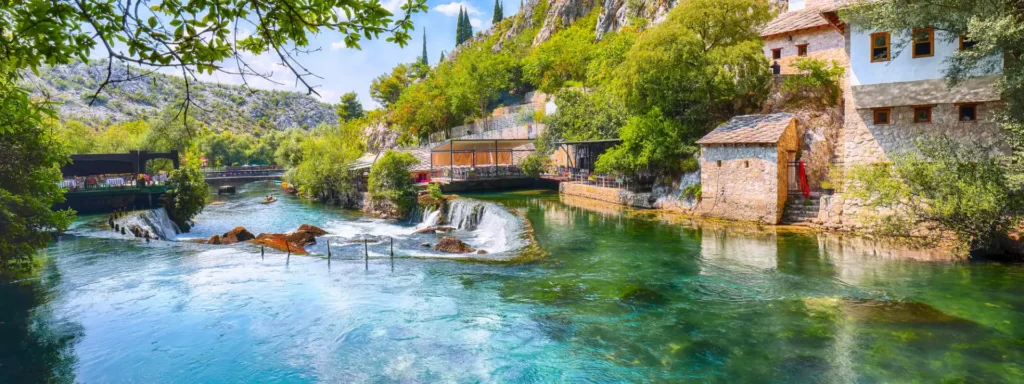
Set by the source of the Buna River and the high Herzegovinian cliffs, Blagaj is one of the most photogenic places in Bosnia and Herzegovina. Stone houses, the old tekija, and the peaceful atmosphere create a blend of nature and history that leaves a strong impression. It is most beautiful in spring and early summer, when the Buna is at its fullest. The village is very easy to reach by car from Mostar, about a 15-minute drive away.
Tip: Have lunch at one of the restaurants by the water and order fresh trout from the Buna.
4. Počitelj
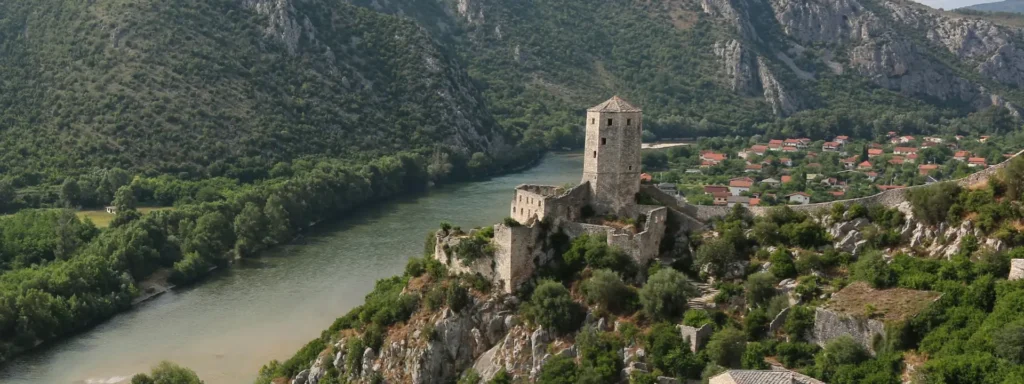
Počitelj is a medieval and Ottoman town-village perched above the Neretva, one of the best-preserved historic complexes in the country. Stone alleys, Hadži-Alija Mosque, and the Clock Tower take you through the centuries. Spring and autumn are ideal, when it is not too hot for the climb up the stone steps.
Tip: Climb up to the tower in the late afternoon — the sunset over the Neretva is unforgettable, and along the way be sure to try the famous Počitelj figs and pomegranates.
5. Martin Brod
Martin Brod is a village within Una National Park, known for its spectacular travertine waterfalls and the crystal-clear Una River. The peace of nature and the sound of water dominate every frame here, especially around Milančev Buk. The village is reached by a somewhat longer drive from Bihać, but the journey through nature makes the arrival a special experience. The best time to visit is late spring and summer.
Tip: Go rafting or kayaking on the Una — Martin Brod is the perfect starting or ending point.
6. Ostrožac
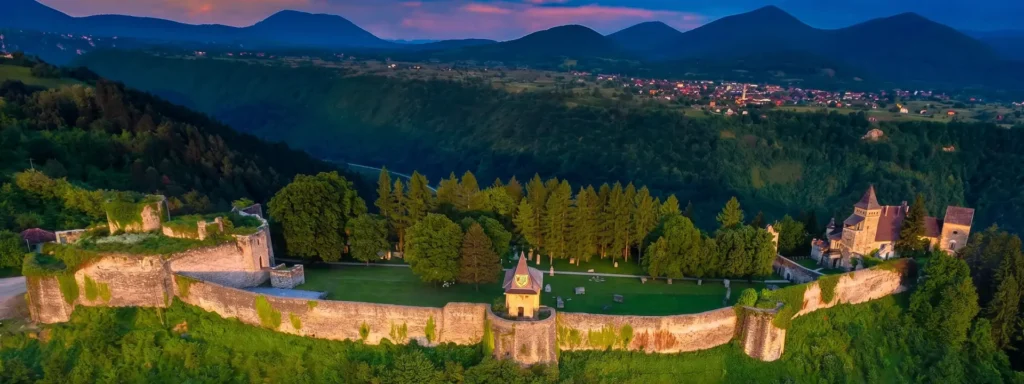
Ostrožac is a village known for its impressive old town and castle that dominate the Una River below. The blend of medieval architecture, green hills, and peaceful scenery gives this place a special charm. It is easy to reach by car from Cazin or Bihać. It is most beautiful in spring and summer, when the fortress is surrounded by greenery.
Tip: Combine a visit to the fortress with a hiking tour Una Vista along the trail that leads from Dobrenica through the Una River canyon to Ostrožac — the route is 19 kilometers long, but you can also finish at one of the intermediate stops.
7. Ravno
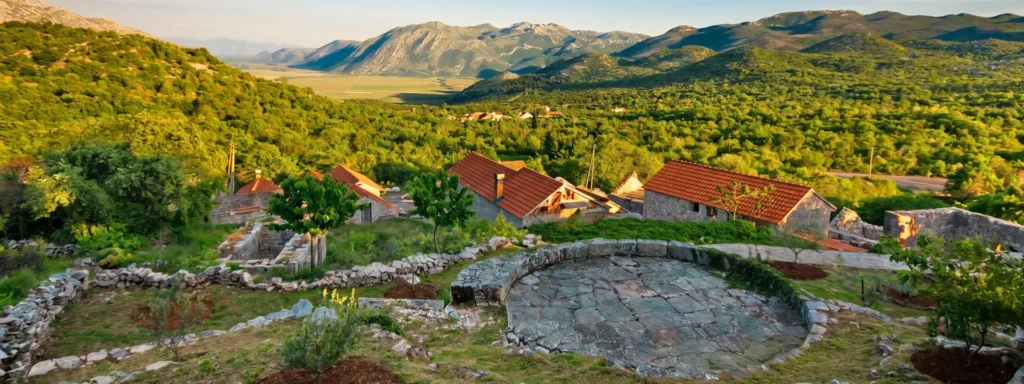
Ravno is a Herzegovinian village of stone houses, sunshine, and a Mediterranean atmosphere, set between hills and karst landscapes. It is known for its proximity to Vjetrenica Cave and Manastir Zavala, which further enrich the experience of this area. The road to the village is easy and leads from the direction of Trebinje or Mostar. It is best visited in spring and early autumn.
Tip: Just before the turnoff to Ravno, Manastir Zavala is visible on a nearby hill from the road — a national monument of Bosnia and Herzegovina that can be visited by prior arrangement — and nearby are the archaeological remains of a pre-Romanesque church and the stećci necropolis in Crkvina.
8. Krupa na Vrbasu
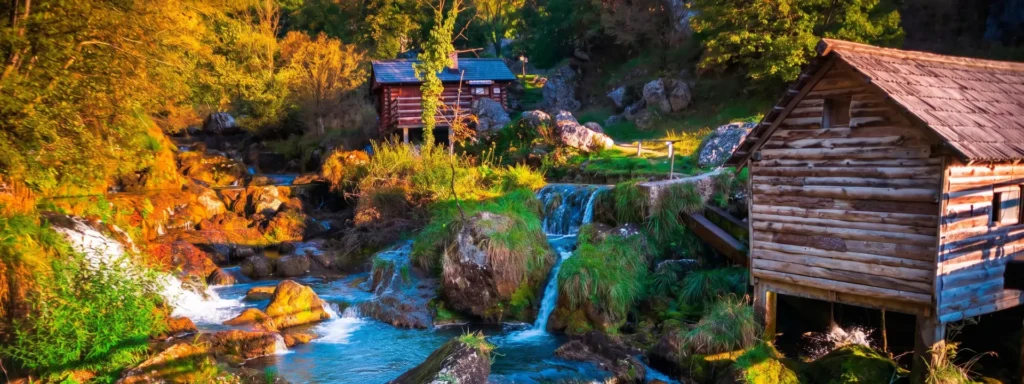
Krupa na Vrbasu is known for its waterfalls, old mills, and the greenery surrounding the Krupa River. This village offers the perfect blend of nature and relaxation, and it is especially popular with photography lovers and those looking for a short getaway. It is easy to reach by car from Banja Luka in less than half an hour. It is most beautiful in spring and autumn, when the waterfalls are at their fullest.
Tip: A must-try during your visit are the hot uštipci with kajmak, baked directly in the mills from freshly ground flour — a unique culinary experience you won’t find anywhere else.
9. Kraljeva Sutjeska
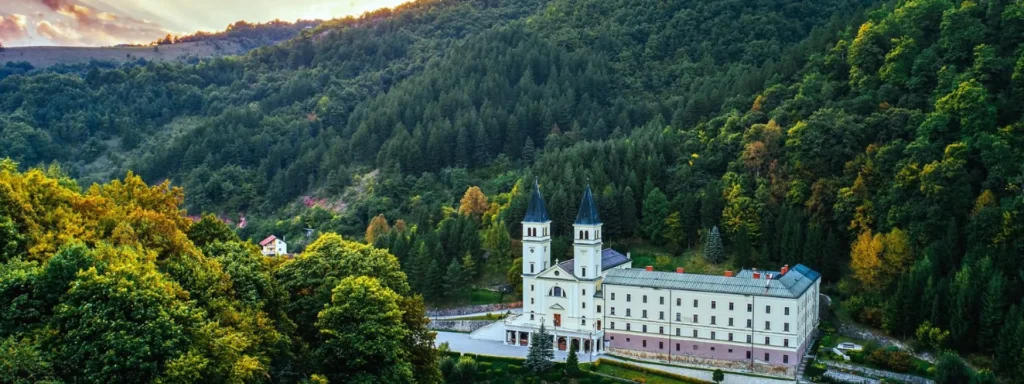
Kraljeva Sutjeska is a peaceful village with a rich medieval history, set among the wooded hills of central Bosnia. The Franciscan monastery and old Bosnian houses create an atmosphere of times gone by. The village is easy to reach by car from Kakanj, with a short drive through mountain scenery. It is best visited in spring and autumn.
Tip: From Kraljeva Sutjeska, be sure to continue to Bobovac — the fortified town that guarded the crown of the Bosnian kings from 1322 to 1463 and which many visitors find even more impressive than the place itself.
10. Stupe – Žabljak
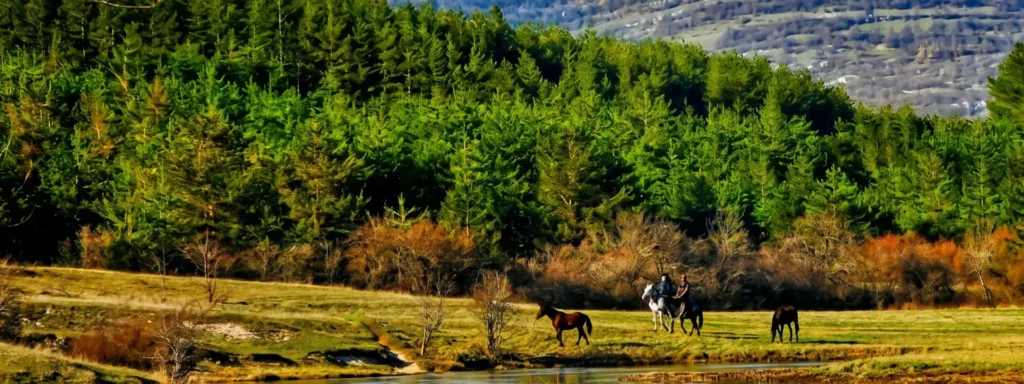
On the vast Livno plateaus lies the village of Stupe – Žabljak, known for its herds of wild horses and untouched nature. The sweeping landscapes and sense of freedom make this place one of the most special in the country. The village is relatively easy to reach from Livno, with a short drive on local roads. It is most beautiful in summer and early autumn.
Tip: The area around Stupe is home to one of the most impressive attractions in this region — the wild horses of Livanjsko polje. Legally protected, their number is estimated at nearly 1,000 today, and they cover dozens of kilometers every day in search of food and water. Visiting at dawn or just before sunset gives you the best chance of seeing them.
